At A Glance
FC Porto home matches are played at Estádio do Dragão, a 50,033-seat stadium in eastern Porto reached directly by metro from the old town.
- The stadium opened on 16 November 2003 and cost €125 million to build.
- Metro lines A, B, E and F all stop at Estádio do Dragão station, right outside the ground.
- From Trindade station, five minutes on foot from Canto de Luz, the ride is direct with no changes.
- The stadium tour and FC Porto Museum cost €25 for adults, €20 for over-65s and €13 for children aged 5 to 12.
- Buy match tickets through FC Porto’s official channels. Champions League nights and the Benfica and Sporting fixtures sell out first.
A home match at Estádio do Dragão is one of the loudest, most enjoyable evenings you can have in Porto, and it is far easier to build into a trip than most visitors expect. The stadium is inside the city, on the metro, twenty minutes from dinner in the old town. You do not need a car, you do not need to plan your whole week around it, and you can quite happily fold it into a two, three or four day Porto itinerary without giving up a single morning of sightseeing.
Guests ask me the same handful of things every time they decide to go: where to buy tickets safely, which metro line to take, how early to leave, and whether the stadium tour is worth doing if the dates do not line up with a fixture. Buy an Andante travel card when you land and the transport side of a matchday takes care of itself.
Porto is a football city in a way that is hard to overstate. The blue and white scarves go up in shop windows on the morning of a game, the cafés along Rua de Santa Catarina fill with people in shirts by mid-afternoon, and by kick-off the eastern half of the city is moving in one direction. Even if you have never watched a Primeira Liga game in your life, it is a great evening out.
Staying nearby? Canto de Luz is on Rua do Almada in Porto’s old town, five minutes’ walk from Trindade metro and a direct ride to the stadium, with a heated outdoor pool and homemade breakfast included.
Check Availability →Why Estádio do Dragão Is Worth the Trip
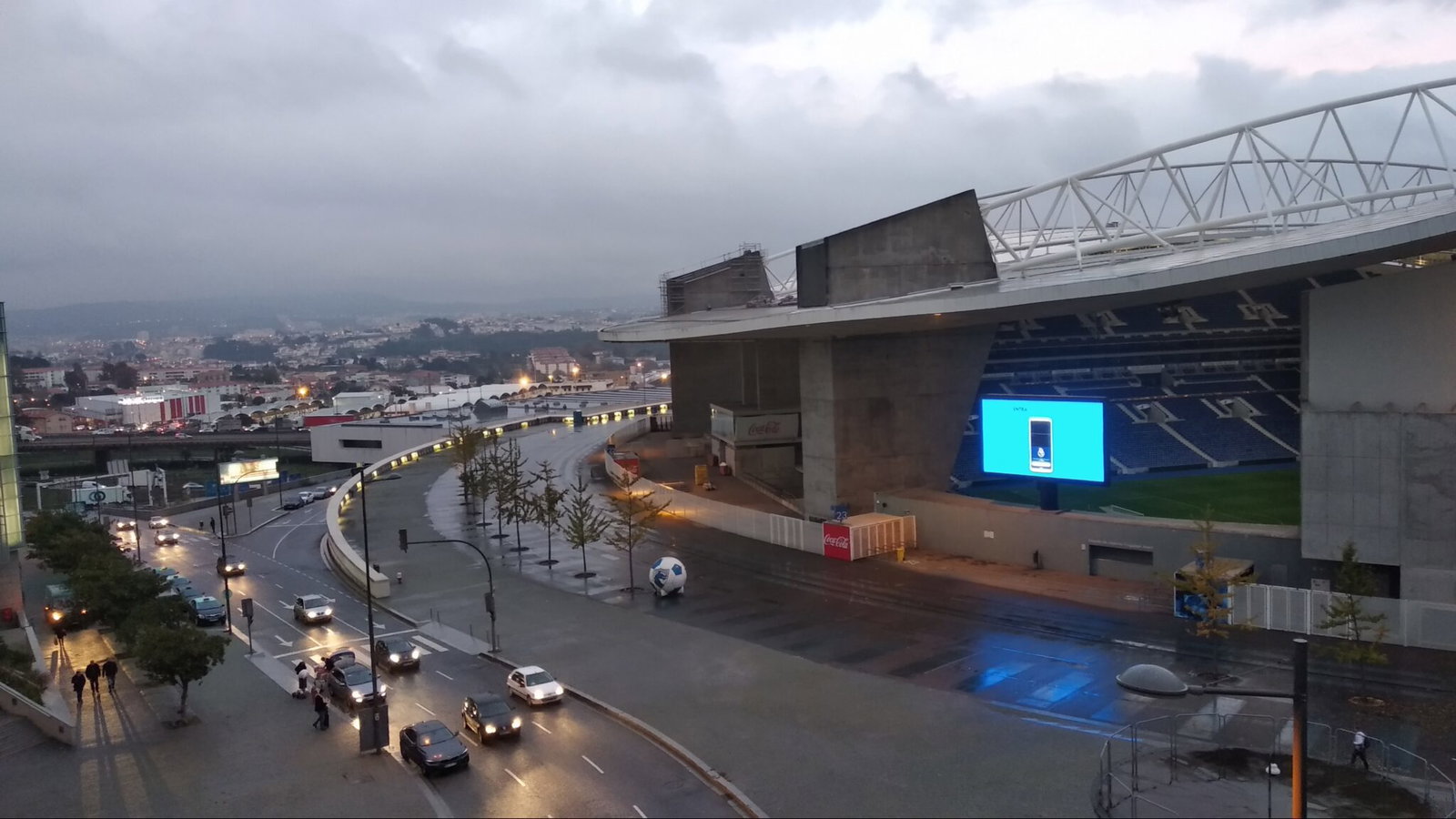
The stadium replaced the old Estádio das Antas and opened on 16 November 2003, built by the Portuguese architect Manuel Salgado at a cost of €125 million. It was designed for UEFA Euro 2004, and it earned its keep immediately: the tournament’s opening match, Portugal against Greece on 12 June 2004, was played here, along with the semi-final between Greece and the Czech Republic on 1 July.
Its opening night is still the record. FC Porto beat Barcelona 2-0 in front of 52,004 people, more than the current seated capacity of 50,033, and the ground has kept attracting the big occasions ever since. The 2019 UEFA Nations League final was played here, Portugal beating the Netherlands 1-0 on 9 June, and in 2021 the Champions League final came to Porto when Chelsea beat Manchester City 1-0. Not many club grounds outside the traditional giants can list a European Cup final in their history.
What makes it a good stadium to visit, rather than simply a famous one, is the shape of it. The stands are steep and close to a full-size 105 by 68 metre pitch, with no running track pushing the crowd back. Sound stays in. When the Super Dragons behind the goal get going, you feel it through the concrete, and if you have only ever watched Portuguese football on television you will be surprised how much of the atmosphere the cameras miss.
The Stadium in Numbers
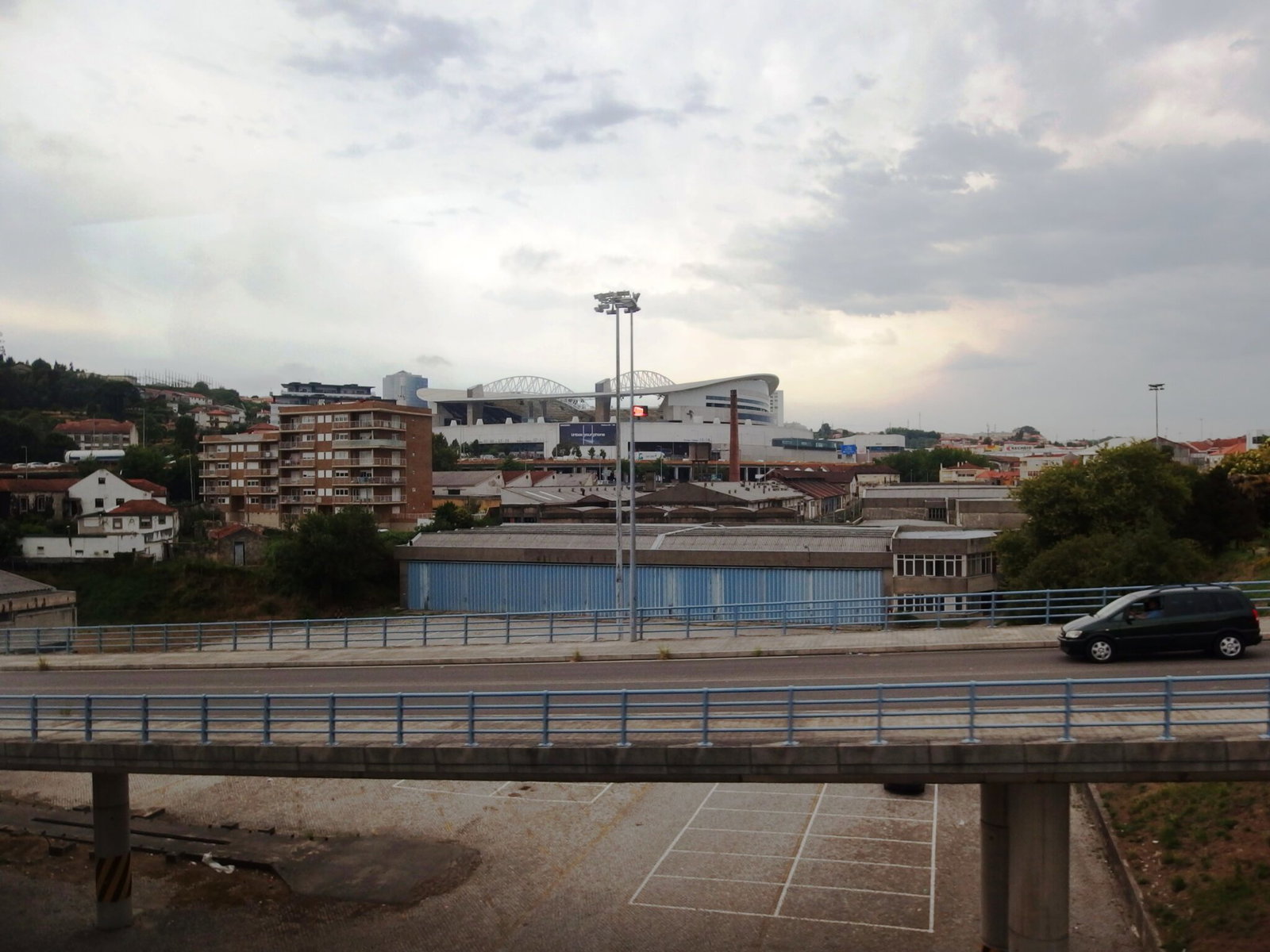
If you like to know what you are walking into before you go, these are the details worth having in your head. Everything here comes from the club’s own published figures and the stadium’s documented record.
| Detail | Figure |
|---|---|
| Seated capacity | 50,033 |
| Opened | 16 November 2003 |
| Construction cost | €125 million |
| Architect | Manuel Salgado |
| Record attendance | 52,004 (FC Porto 2-0 Barcelona, opening night) |
| Pitch dimensions | 105 x 68 metres |
| Metro lines serving the ground | A, B, E and F |
| Bus routes | 401 and 806 |
| Bicycle parking spaces | 150 |
| Euro 2004 matches hosted | 5, including the opening game and a semi-final |
Getting Tickets for FC Porto Home Matches
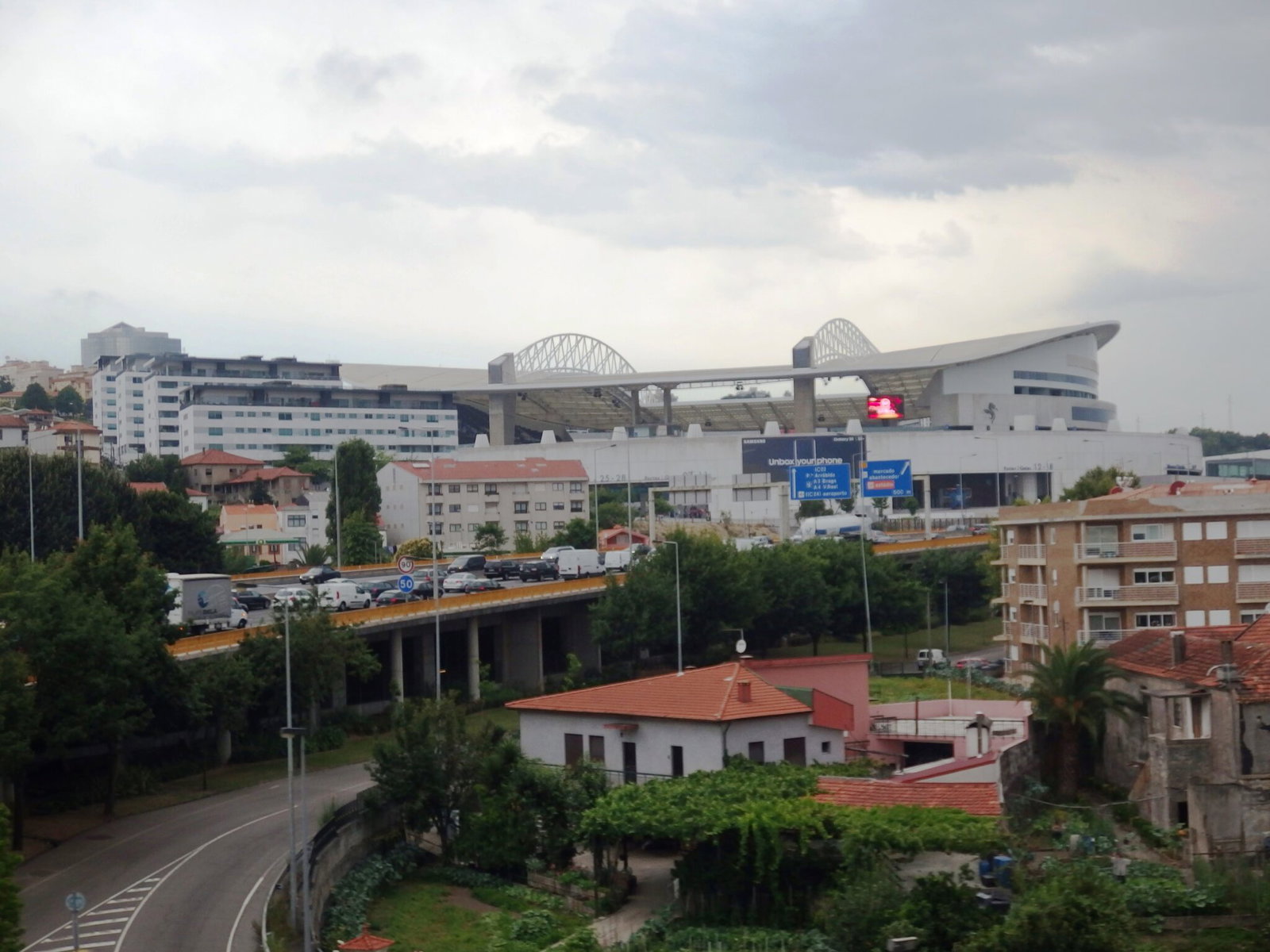
Buy through FC Porto’s official website or its ticket office at the stadium. Those are the two channels the club controls, and they are the two I recommend to guests, because a resale ticket bought elsewhere can be refused at the turnstile if the name on it does not match your identification. Prices vary considerably by fixture and by where you sit, so treat any single figure you read online with caution and check the club’s own listing for your date.
What is predictable is which games go first. Champions League nights sell out fastest, followed by the two derbies against Benfica and Sporting CP. A mid-table league fixture on a Sunday afternoon in February is a different proposition entirely, and you can often walk up. If your trip is built around one specific big game, book the match before you book the flights, because the fixture list moves for television and a Saturday game can become a Monday one.
Take your passport or identity card with you. Portuguese clubs check identification against named tickets more consistently than many visitors expect, and it is a frustrating way to miss a first half.
Where to Sit at Estádio do Dragão
The ground is a continuous bowl split into lower, middle and upper tiers, and the choice matters more here than at some stadiums because the character of each end is so different. Behind one goal sits the organised support, flags and drums and standing for the full ninety minutes. It is the loudest place in the building and the best value, but it is not where you want to be if you have brought children or want to watch the game tactically.
The side stands give you the view, and the middle tier along the halfway line is the sweet spot if your budget stretches to it. Families are generally better off in the side or corner sections, where people sit down and you can actually follow the ball. Whichever you choose, remember that the upper tier is steep. If heights bother you, book lower down rather than discovering it on the night.
When the Season Runs and Which Games to Aim For
The Primeira Liga season runs from August to May, which means that for most of the year there is a home fixture within any given fortnight. Add the Taça de Portugal, the Taça da Liga and European nights, and Porto plays at home considerably more often than the league calendar alone suggests. If your trip is longer than four days, the odds are good that something falls inside it.
Timing changes the experience. September and October give you warm evenings and a stadium that is still filling out as the season settles. The dark months from November to February bring the atmosphere people travel for, with floodlights, cold air holding the noise in, and the European group stage in full swing. March to May is when the league is decided, and if the title is live those final home games are the loudest of the year by a distance.
The fixtures to build a trip around are the two derbies. Benfica at the Dragão is the biggest game in Portuguese football, and Sporting CP is not far behind it. Both sell out and both are priced accordingly. A Champions League night against a well-known European side sits in the same bracket. If you simply want to see a good game without paying derby prices, a midweek European fixture against a less glamorous opponent gives you the same stadium and the same anthem for a fraction of the cost.
One practical warning about scheduling. Portuguese kick-off times are confirmed relatively late and are moved for television, sometimes only a few weeks out. Book refundable accommodation if the match is the whole reason for the trip, and do not book a Sunday evening flight home if you are attending a Sunday fixture.
What To Take On Matchday
- Passport or national identity card, matching the name on the ticket
- Your Andante card, already loaded, so you are not queueing at a machine
- A light jacket, because evening kick-offs get cool even in summer
- A small bag or none at all, since large bags slow you down at the search
- A little cash for a scarf from one of the street sellers on the approach
Getting to the Stadium from Porto’s Old Town
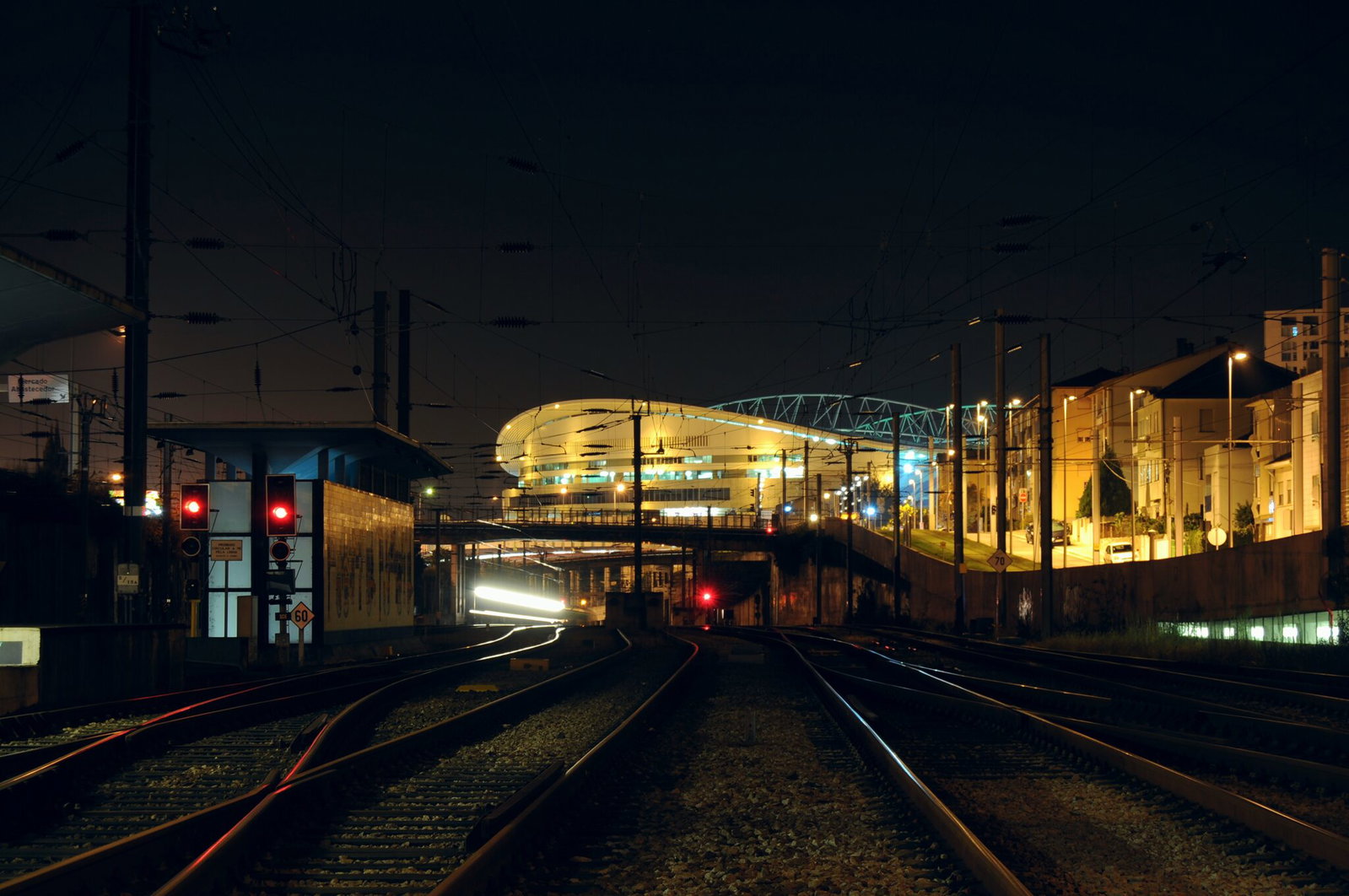
This is the part that makes Porto such a good football city for visitors. The metro station is called Estádio do Dragão and it is at the ground, not a fifteen minute walk from it. Four lines serve it, A, B, E and F, which means that from most of the central stations you are on a direct train with no changes at all. Buses 401 and 806 also run there, and there are 150 bicycle parking spaces if you have hired one.
From Canto de Luz on Rua do Almada, Trindade station is about five minutes on foot and sits on lines A, B, E and F among others, so you step on once and step off at the stadium roughly ten minutes later. My guests are consistently surprised by this. You can finish a late lunch, wander down the hill, and be inside the ground with time to spare. If you want the full picture of how the network fits together, our guide to the Porto metro map and its six lines lays out the zones and the stations.
Do not drive. Parking around the stadium on a matchday is genuinely difficult, the roads close, and you will spend longer getting out of the area afterwards than the second half took to play. The metro runs late enough on match nights to get you home, and it is the option every local uses.
Aim to arrive 45 to 60 minutes before kick-off. Security queues build steadily and the last fifteen minutes before the whistle are the worst of it. Getting there early also means you see the ground fill, which is half the pleasure.

A Note from Susan
"I always tell guests going to the Dragão to eat before the game rather than after, because Porto kitchens start closing around eleven and a late kick-off will beat you to it. Have an early dinner near the hotel, take the metro from Trindade, and save the celebrating for a bar back in the old town. It is an amazing night out and the transport really could not be simpler."
— Susan, Founder of Espais Roca
What Matchday Actually Feels Like
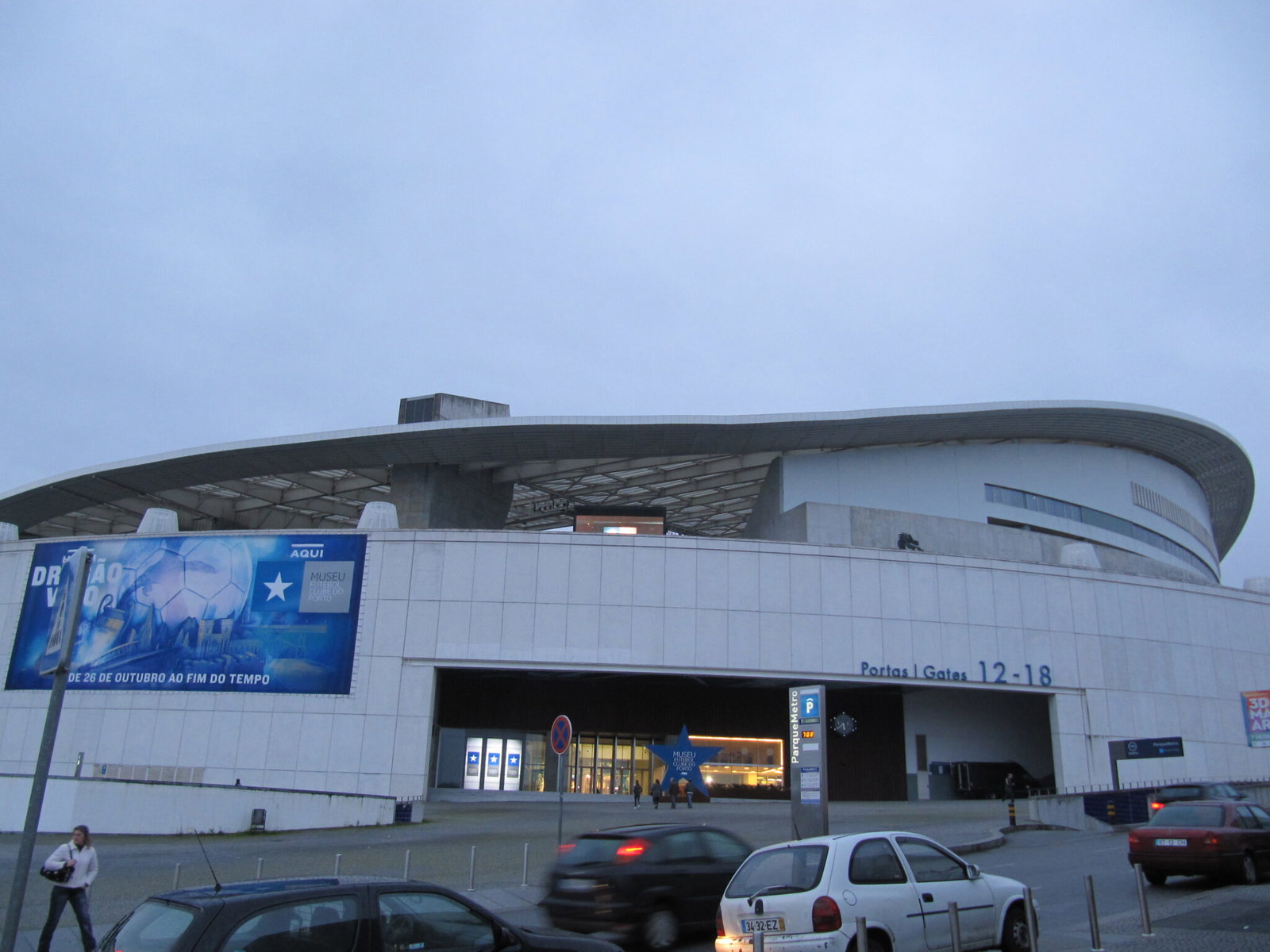
The approach from the metro station is short and the crowd carries you. Street sellers work the pavement with scarves and shirts, and buying one is worth the few euros if only so you are not the one person in the row without any blue on. Inside, the concourses are functional rather than glamorous, and the food is simple: a bifana, a beer, a coffee if it is a cold night.
The noise starts before the players do. FC Porto’s anthem goes up, the flags come out behind the south goal, and for a stadium of this size the sound is remarkably concentrated. Portuguese crowds sing more or less continuously rather than in bursts, which takes some adjustment if you are used to English grounds, and the tempo rarely drops even when the football does.
Afterwards, 50,000 people head for the same metro station. It clears faster than you would think, but if you would rather not stand in it, walk five minutes away from the ground and let the first wave go, or find somewhere for a drink and travel back in half an hour. The trains keep running.
Your Porto Base in the Old Town
Canto de Luz, Boutique Maison on Rua do Almada, from €99 a night
The Stadium Tour and FC Porto Museum
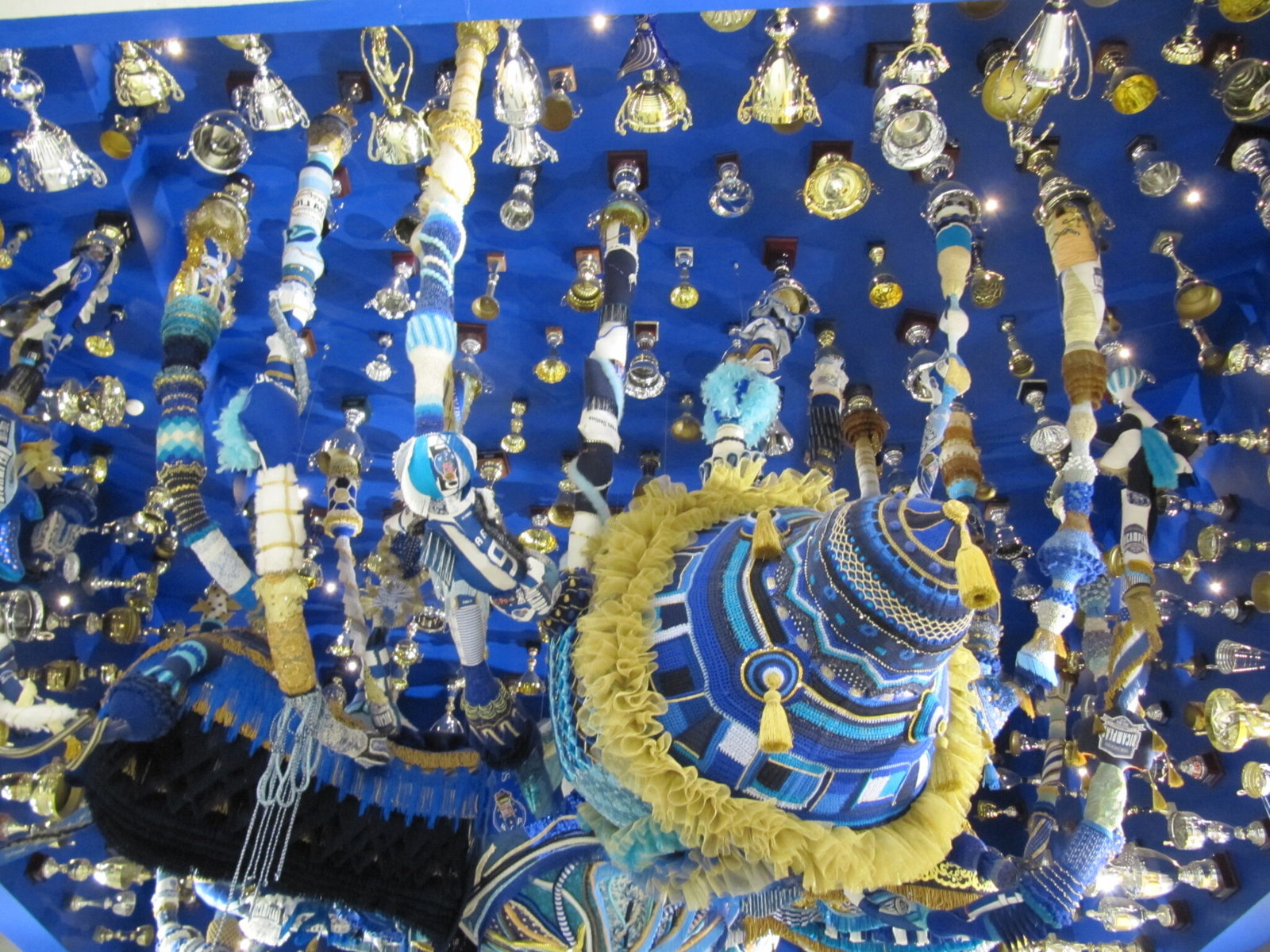
If your dates do not line up with a fixture, the combined stadium tour and museum ticket is the next best thing, and honestly it is worth doing even if you are also going to a game. The tour takes you into the dressing rooms, down the tunnel and out pitchside, and the museum next door holds the club’s trophy collection, including the European Cups.
Prices published by the club for general public admission are set out below and can be booked through the official FC Porto tour and museum page. Children aged four and under go free, and audio guides are available in Portuguese, English, French, Spanish, German and Italian. Note that tours do not run on match days, on the eve of UEFA matches, or when there is a major event on the pitch, so check the club’s calendar before you make the trip out.
| Ticket type | General public price |
|---|---|
| Adult, 13 to 64 | €25.00 |
| Senior, 65 and over | €20.00 |
| Child, 5 to 12 | €13.00 |
| Child, 0 to 4 | Free |
FC Porto members pay considerably less, €10 for an adult and €6 for a child, but that is not much use to a visitor on a long weekend. Allow around two hours for the two together if you want to read the displays properly rather than walk past them.
Five Things to Do Around a Matchday in Porto
A match is three hours of your evening. These are the things I suggest putting around it so the day works as a whole rather than as one fixture with dead time either side.
1. Eat a Francesinha Before You Go
Porto’s own sandwich is a layered construction of bread, steak, sausage and ham under melted cheese and a beer-and-tomato sauce, usually with chips. It is heavy, it is excellent, and it is the correct thing to eat before standing up and shouting for two hours. Most of the well-known places are in the centre rather than out by the stadium.
Order it early in the afternoon rather than an hour before kick-off, because portions are large and the sauce does not travel well on a metro. If you want to understand what actually goes into one, or fancy attempting it at home afterwards, we have written up how to make a francesinha properly, sauce included.
2. Walk the Ribeira in the Afternoon
The riverfront is about twenty minutes downhill from the old town and is the single most photographed part of Porto for good reason. Tall painted houses stack up above the Douro, the Dom Luís I bridge crosses to Gaia, and the light in the late afternoon is worth timing your walk for.
Do it before the game rather than after, since the walk back up the hill is steep and you will not want it at midnight. Our complete guide to the Ribeira district covers which streets are worth the detour and where to sit for a drink by the water.
3. Book a Port Cellar Tour in Vila Nova de Gaia
Across the river in Gaia, the port lodges run tastings through the afternoon, most of them lasting under an hour. It is a genuinely good use of the gap between lunch and an evening kick-off, and the cellars are cool on a hot day.
Book ahead in summer, because the better-known houses fill up. If you are choosing between them, our roundup of the best port cellar tours in Porto compares what each one includes and how long you need.
4. See Livraria Lello Early in the Day
The bookshop with the red staircase is the most visited single building in Porto, and the queue reflects it. Go at opening time, buy the timed ticket in advance, and you will be in and out inside half an hour rather than losing a chunk of your afternoon to a line.
It sits close to the Clérigos tower, so the two combine neatly into one morning before a lunchtime or evening fixture. There is more detail in our guide to visiting Livraria Lello, including how the ticket credit against a book purchase works.
5. Find a Bar for the Post-Match Hour
The bars immediately around the stadium are busy and functional. The better plan is to ride back into the centre and drink somewhere you would actually choose, where the game will still be the only topic of conversation but you can hear yourself talk.
Galerias de Paris and the streets off it stay lively late, and there are quieter options if you want a glass of something good rather than a crowd. Our list of the best bars in Porto splits them by the kind of evening you are after.
Where to Stay for a Porto Football Weekend
Staying near the stadium itself is a mistake most first-time visitors only make once. The area around the ground is residential and quiet on the other six days of the week, with little to walk to. What you want is a base in the old town, close to the restaurants and the river, with a metro station near enough that the stadium is a short direct ride.
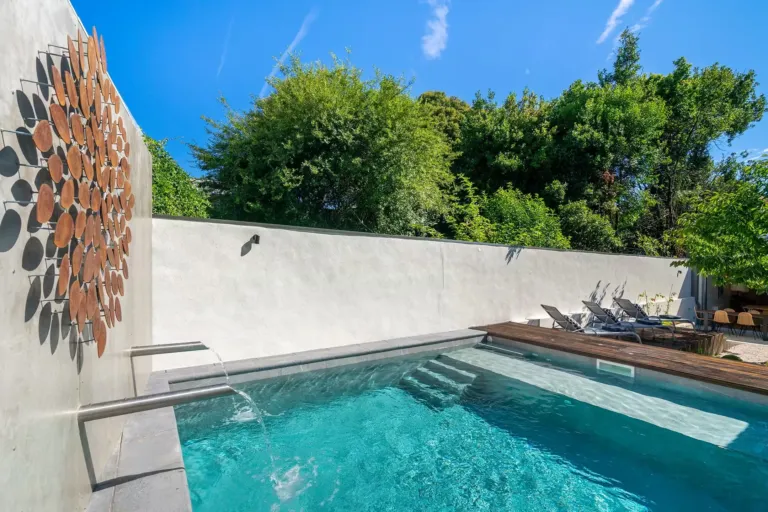
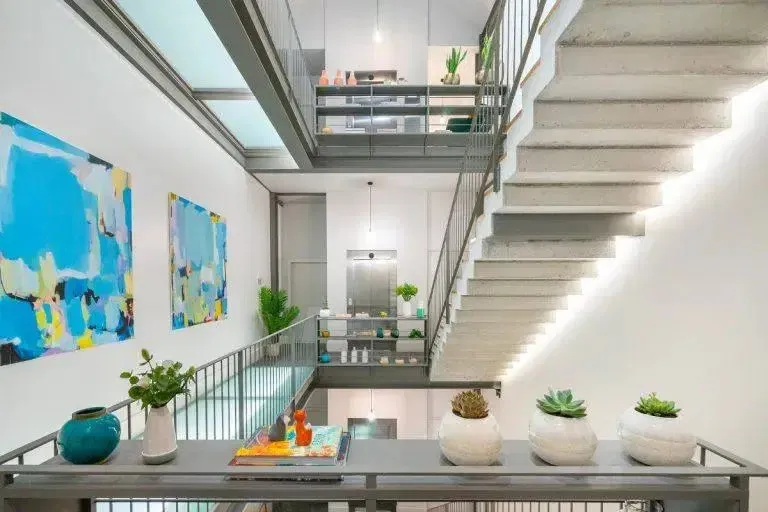
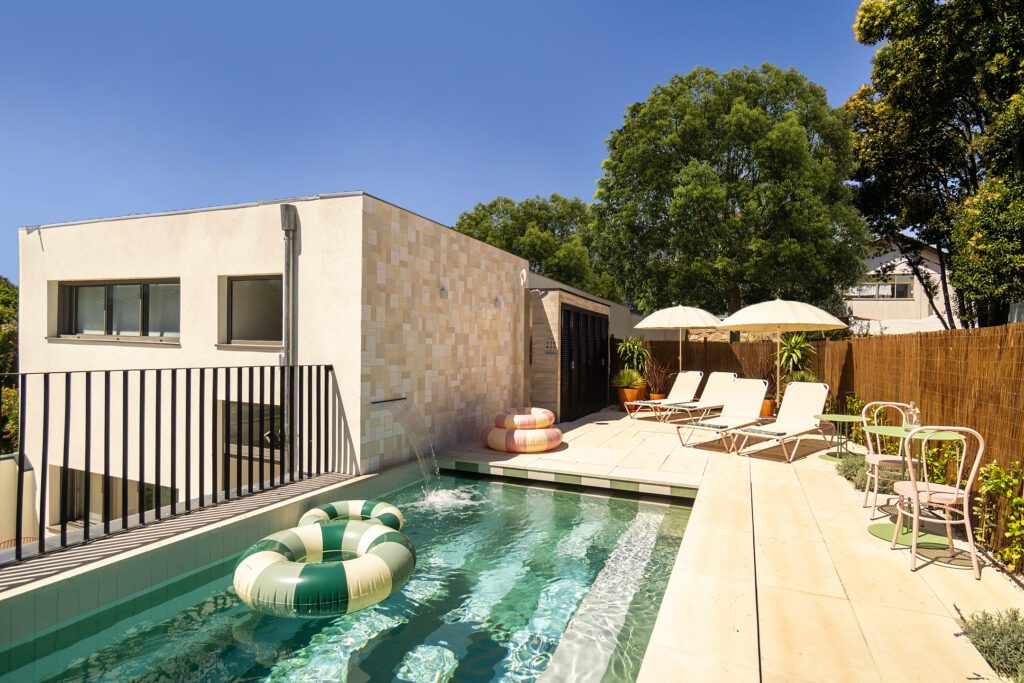
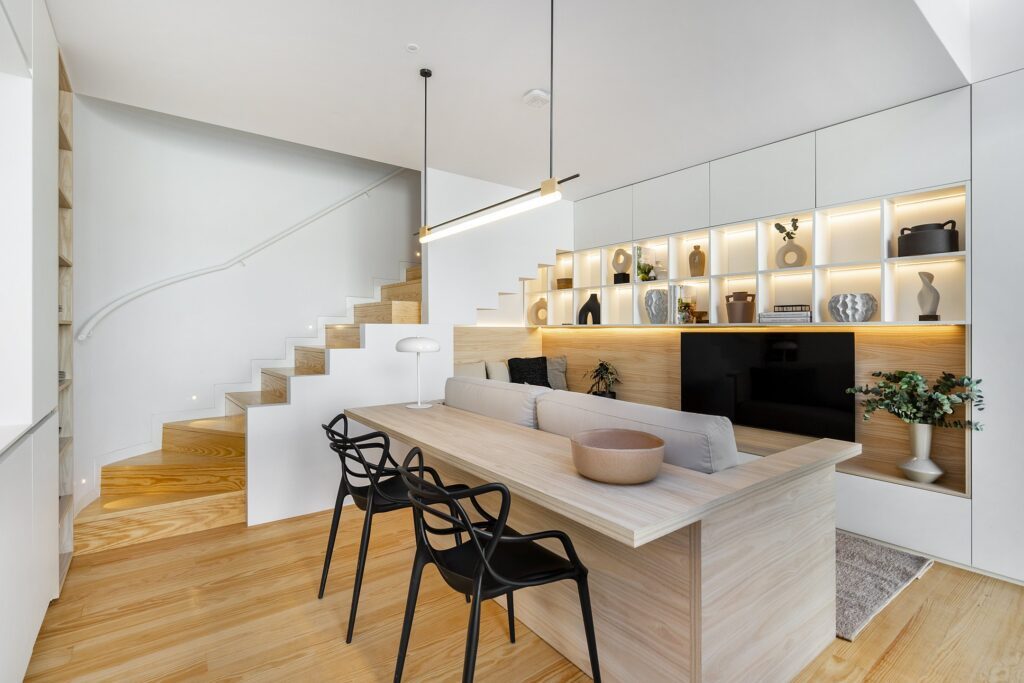
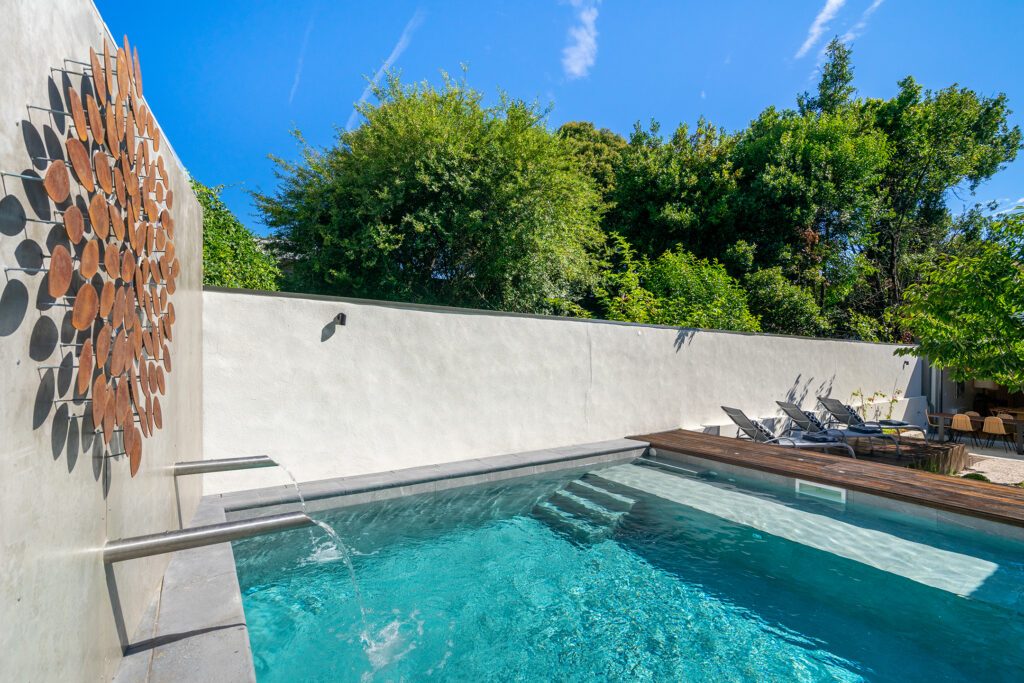
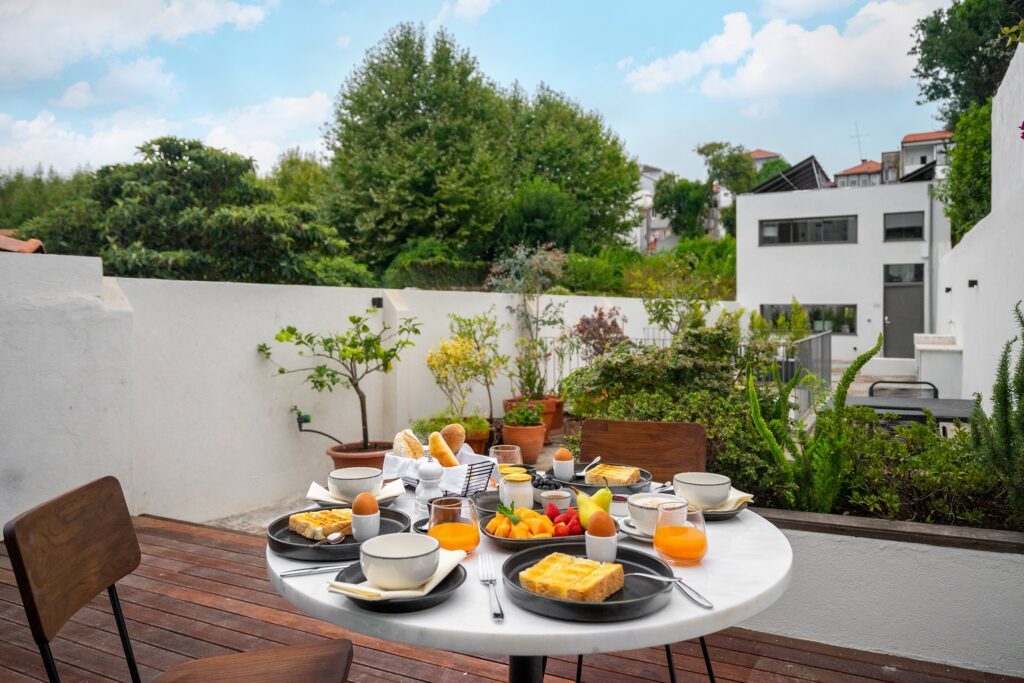
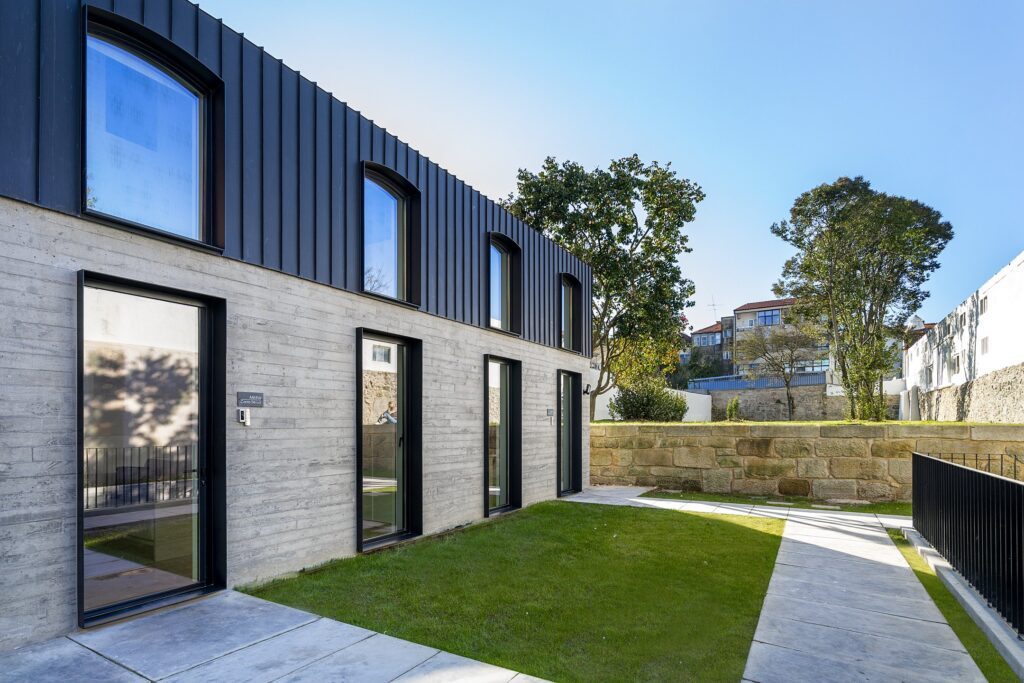
Canto de Luz sits on Rua do Almada, in the middle of that. It is a restored building with individually designed suites, a heated outdoor saltwater pool that stays open year round, and a homemade breakfast that changes daily and is included in the rate. Trindade metro is five minutes away on foot, which is what makes the matchday logistics so straightforward, and the Bolhão market and Majestic Café are both about ten minutes in the other direction.
Rooms sleep couples, families and friend groups, with super king beds, family suites that take two extra single sofa beds, air conditioning, Smart TVs with Netflix and Disney+, and an espresso machine in the room. There is an elevator and there are wheelchair-accessible rooms. If you are still weighing up parts of the city, our guide to the best areas to stay in Porto compares the old town with Foz, Boavista and the riverfront.

"Staying at Canto de Luz was such a lovely experience. We were greeted warmly after a red eye flight and offered some coffees while we waited to check in. We were able to get into our room early, giving us the opportunity to unwind after travel. Everyone working at the hotel was welcoming and helpful, checking in to make sure we had everything we needed. The room we stayed in (City 2) was incredibly spacious with floor to ceiling windows opening onto a Juliet balcony. The included breakfast was a cherry on top of everything and we were even given a to-go breakfast on days where we had early tours or buses to catch. I would gladly stay here again."
— Molly Algerheim, via
More to Explore
A football trip is a good excuse to see the rest of the city properly. These guides cover the parts of Porto our guests ask about most:
- Porto Itinerary: What to Do in 2, 3 or 4 Days
- Andante Card: Porto’s Public Transport Travel Pass
- Porto Metro Map: All Six Lines, Stations, Fares and Zones
- Where to Stay in Porto: Best Neighbourhoods for Visitors
Frequently Asked Questions
Where Is Estádio do Dragão and Which Club Plays There?
Estádio do Dragão is the home ground of FC Porto, in the eastern part of Porto in northern Portugal. It opened on 16 November 2003 and has its own metro station of the same name directly outside. From Porto’s old town it is a direct ride of roughly ten minutes.
What Is the Seating Plan at Estádio do Dragão?
The ground is a single continuous bowl of 50,033 seats split into lower, middle and upper tiers. The organised support stands behind one goal, while the side stands along the halfway line give the best view of the play and the corners suit families. Tickets are sold by sector, so check which tier and which gate your seat belongs to before you travel out.
How Much Is the Estádio do Dragão Tour and FC Porto Museum?
The combined stadium tour and FC Porto Museum ticket costs €25 for adults aged 13 to 64, €20 for over-65s and €13 for children aged 5 to 12. Children aged four and under enter free, and FC Porto members pay €10. Allow around two hours to see both properly.
What Is the Capacity of Estádio do Dragão?
The stadium seats 50,033. Its record attendance is higher, at 52,004, set on the opening night of 16 November 2003 when FC Porto beat Barcelona 2-0. The pitch measures 105 by 68 metres.
How Do I Get to Estádio do Dragão by Metro?
Take metro line A, B, E or F to Estádio do Dragão station, which sits at the ground itself. From Trindade, five minutes on foot from Canto de Luz in the old town, it is a direct ride of about ten minutes with no changes, and buses 401 and 806 also serve the stadium. Do not drive: roads close on matchdays and parking is very limited.
How Much Are FC Porto Match Tickets?
Match ticket prices vary by fixture and by sector rather than following a fixed price list. Champions League nights and the derbies against Benfica and Sporting CP cost the most and sell out first, while a midweek league game is considerably cheaper. Check FC Porto’s official listing for your specific date.
When Do FC Porto Tickets Go On Sale and How Do I Buy Them?
Tickets are released fixture by fixture, usually a few weeks ahead, once kick-off times are confirmed for television. Buy through FC Porto’s official website or the ticket office at the stadium, because tickets are name-checked at the turnstiles. Bring your passport or identity card.
Which Gate Should I Use at Estádio do Dragão?
Your gate number is printed on your ticket and matches the sector you are seated in, so head for that gate rather than the nearest entrance. Aim to arrive 45 to 60 minutes before kick-off, because security queues build sharply in the final fifteen minutes.
Can I Do the Stadium Tour on a Match Day?
No. Tours do not operate on match days, on the eve of UEFA matches, or when a major event is staged on the pitch. Check the club’s calendar before travelling out and plan the tour for a non-match day.
Stay at Canto de Luz
A restored boutique maison on Rua do Almada in Porto’s old town, five minutes from Trindade metro and a direct ride to Estádio do Dragão. Seven suite types for couples, families and friends, with a heated outdoor pool and homemade breakfast included. From €99 a night.
Check AvailabilityImage credits: Alberto Brandolini, jad99 from Graz, Austria (CC BY-SA 2.0); Palickap (CC BY-SA 4.0); Tiago Miranda from Valongo, Portugal (CC BY 2.0); Leosz (CC0). Stadium facts from Estádio do Dragão’s published record; tour and museum prices from the FC Porto Store. Match ticket prices vary by fixture, so check FC Porto’s official listing for your date.