At A Glance
Three days is the right length for Porto. Two works if you stay central and skip the beach, and four lets you add the Douro Valley without rushing.
- The old town is walkable end to end in about 25 minutes, so you lose almost no time to transport.
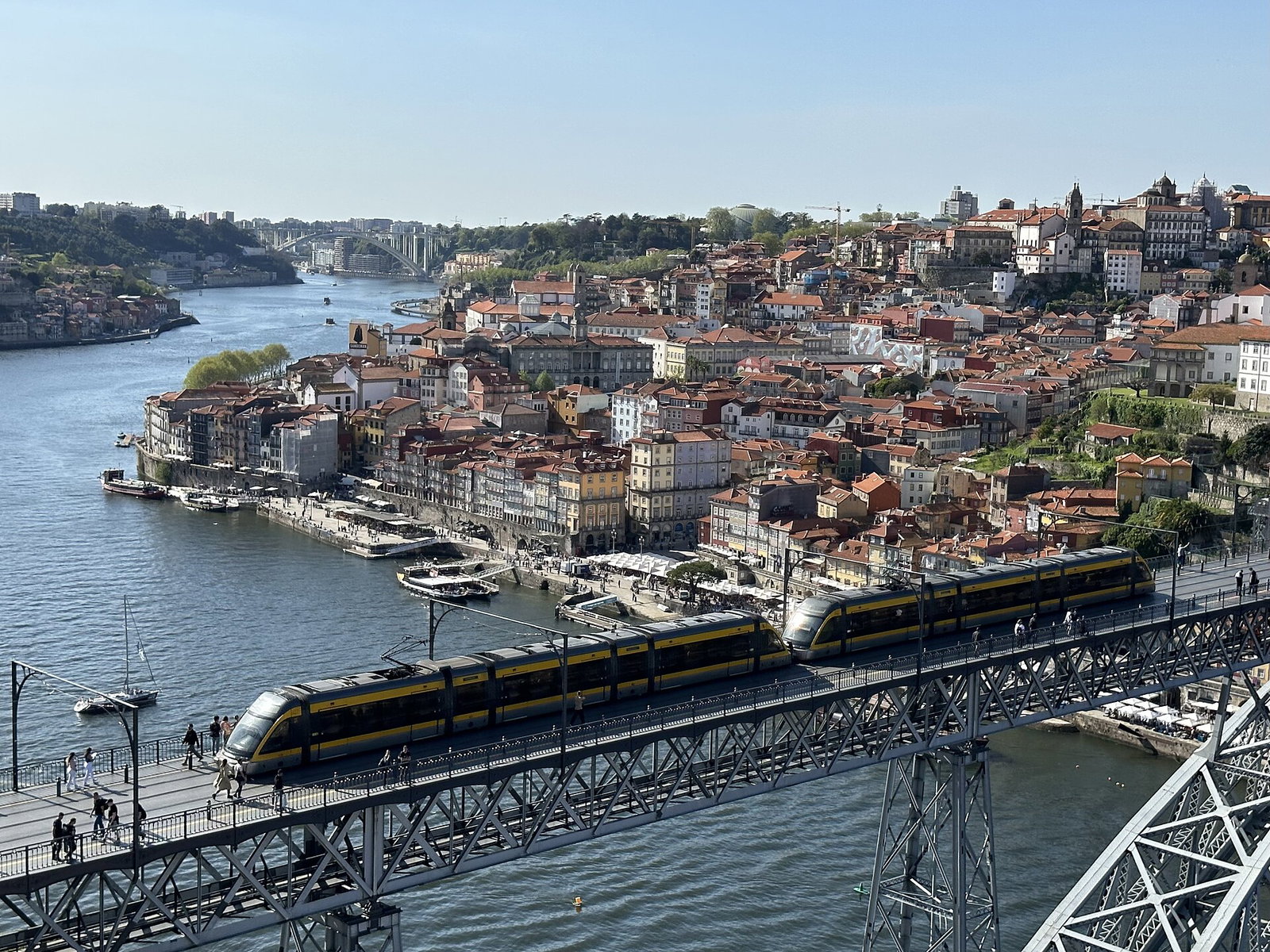
- Day 1 is the Ribeira, the bridge and sunset at Jardim do Morro. Do it in that order.
- Day 2 is the market, the shops and the port lodges across the river.
- Day 3 is either the Douro Valley by train or the coast at Foz and Matosinhos.
- Book Livraria Lello and any Douro quinta before you fly. Everything else you can decide on the morning.
Guests ask me two questions before they arrive, and they are always the same two: how long do we need, and what do we do with it. The honest answer to the first is three days. Porto is small, it is dense, and almost everything worth seeing sits inside a square you can cross on foot in under half an hour. That is unusual for a European city and it changes how you plan.
What follows is the itinerary I actually give people, built around walking distances, real opening hours and the fact that you will want a long lunch. It runs as two days, three days or four, so take the version that fits your flights.
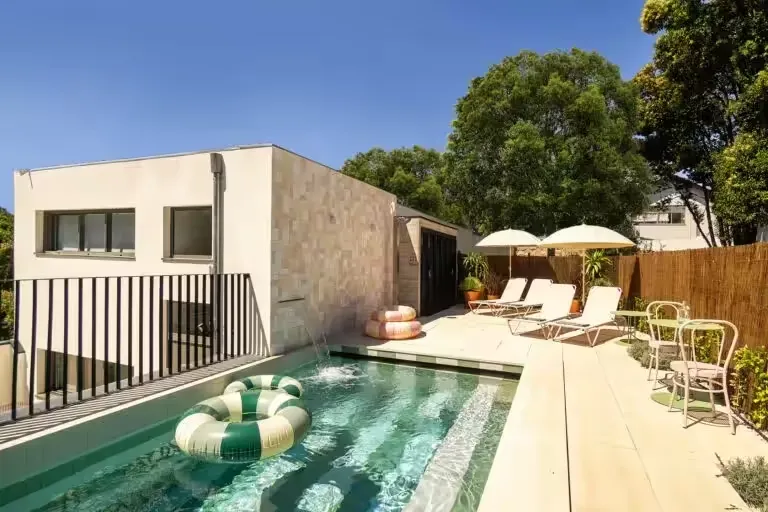
Planning the trip? Check dates at Canto de Luz, my Boutique Maison in the old town, walking distance from everything below.
How Many Days Do You Need in Porto?
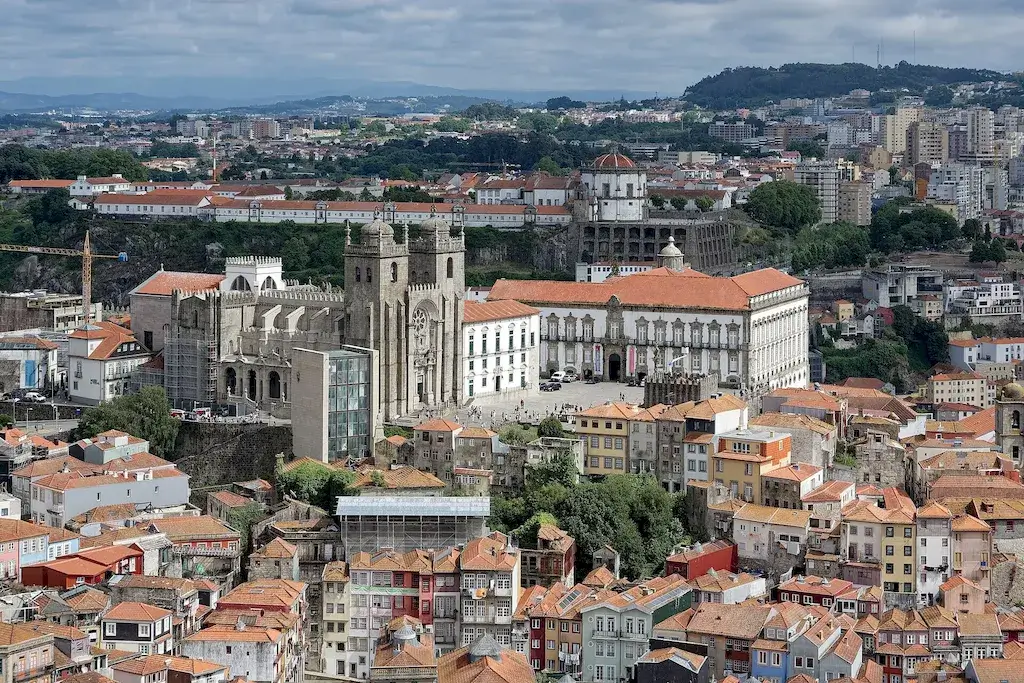
Three. If you have three days you will see the city properly, eat well twice a day, and still have an afternoon to waste. That is the answer, and everything below is the argument for it.
| You have | What you get | What you give up |
|---|---|---|
| 2 days | The old town, the Ribeira, the bridge, the port lodges, one good dinner | The coast, the Douro, and any sense of not rushing |
| 3 days | All of the above, plus either the Douro Valley or the beach, and a slow morning | Very little. This is the right length. |
| 4 days | The Douro and the coast, plus time for the museums and a second look at anything | Nothing, if the weather holds |
| 5+ days | Day trips to Braga, Guimarães or Aveiro | You are no longer visiting Porto, you are visiting the north |
The reason two days feels tight is not distance, it is the hills. Porto is built on a slope down to the river, and the difference between the cathedral and the waterfront is about sixty metres straight down. You will walk it more than once and it will cost you more energy than the map suggests. Factor that in rather than fighting it.
Porto in 2 Days
Two days is a city break, and the trick is to not leave the centre at all. Stay in the old town, walk everything, and accept that the coast and the Douro are for another trip.
| When | Day 1 | Day 2 |
|---|---|---|
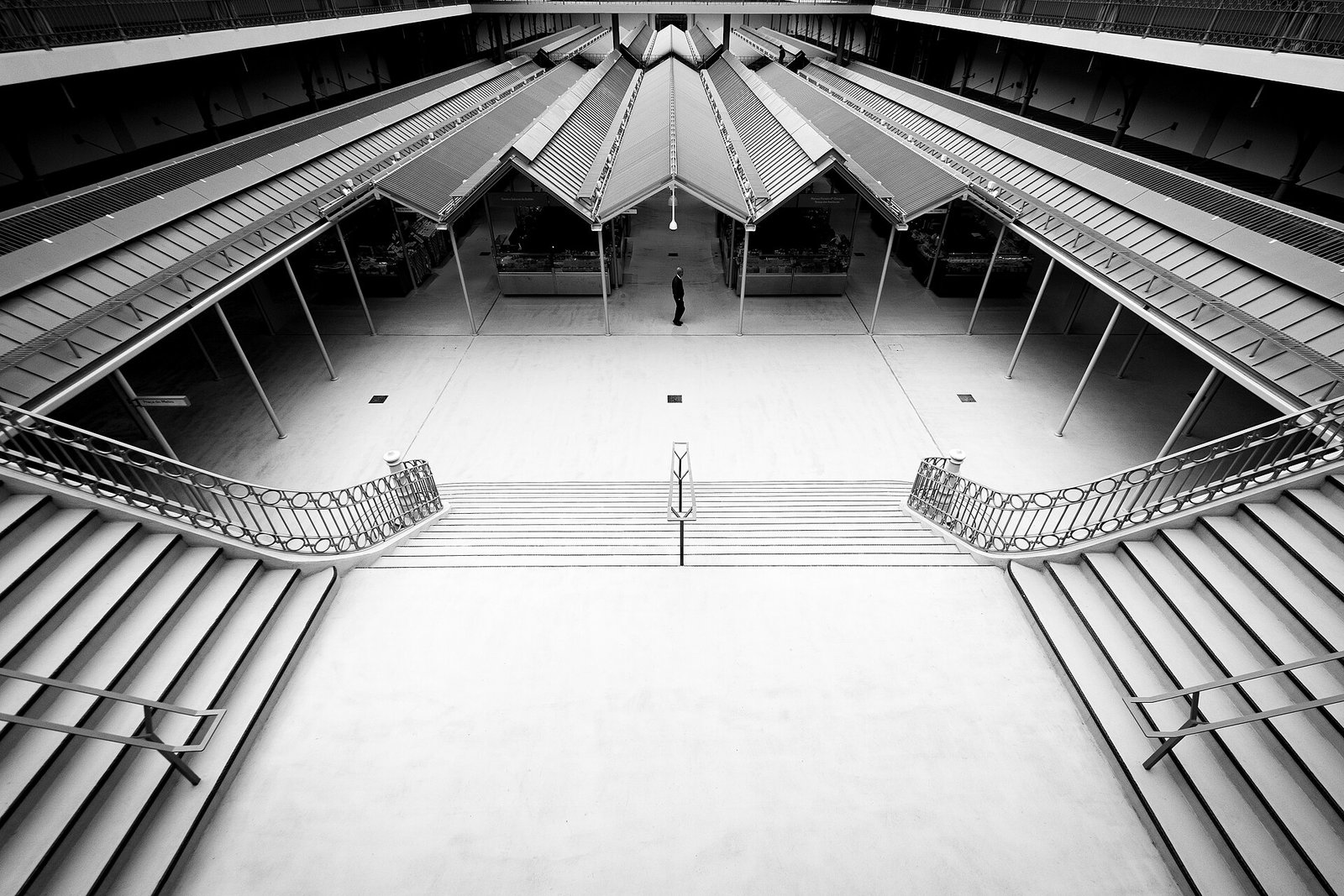
| Morning | São Bento station, the Sé, walk down through the old town | Mercado do Bolhão, then Rua de Santa Catarina |
| Lunch | Ribeira waterfront, outside, slowly | A bifana standing up, or a long one in Bolhão |
| Afternoon | Cross the Dom Luís lower deck to Gaia, port lodge tour | Livraria Lello (booked), Clérigos tower climb |
| Evening | Sunset at Jardim do Morro, dinner in Gaia | Dinner in the old town, fado if you want it |
Two notes on that. The port lodge tour is worth doing even if you do not like port, because the lodges are cathedrals of barrels and the tour explains why the river mattered. And do the sunset on the first evening, not the second, because it orients you: from up there you can see everywhere you are about to walk.
Porto in 3 Days: The Itinerary Most People Want
Three days gives you the two above plus a whole day out of the city, and that third day is what people remember. Take the same two days, then choose.
Day 3, option A: the Douro Valley
The Douro line leaves from São Bento and runs east along the river to Peso da Régua and Pinhão, and the last hour is cut into the terraced vineyards a few metres above the water. It is one of the great train journeys in Europe and it works as a day trip, so you keep your room in Porto rather than moving hotels.
- Book a quinta visit before you go. The good ones fill, and turning up hoping is how you end up drinking in a car park.
- Sit on the right hand side heading out for the river.
- Go early and come back late. This is a full day, not a morning.
- My guide to the Douro Valley covers which quintas take walk-ins.
Day 3, option B: the coast
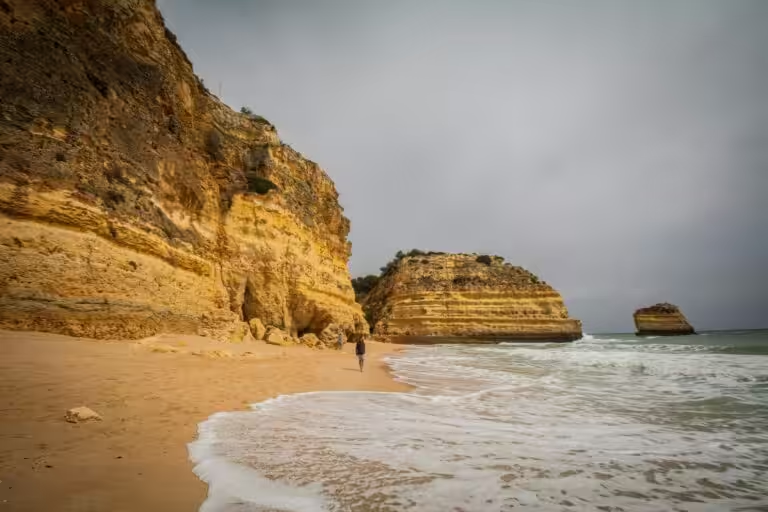
If it is warm, or if you have children, or if you simply do not want another day of history, go west instead. Foz do Douro is where the river meets the Atlantic and the city turns into a seafront: a promenade, a lighthouse, and an entirely different mood twenty minutes from the old town. Matosinhos, a bit further on, is where the seafood is and where the surfers go.
Both are easy on public transport, and the Andante card covers the lot. Take the tram out to Foz if the weather is good, because the tram runs along the river and is worth the journey on its own.
Porto in 4 Days
Four days is the luxury version, and the honest way to use the extra day is not to add more sights. It is to stop rushing the ones you already planned.
- Do both day threes. The Douro on one, the coast on the other. This is the best use of a fourth day and it is not close.
- Add the museums. Serralves for contemporary art and its gardens, or the Soares dos Reis, both of which get skipped on shorter trips.
- Add a cooking class if the food is the point of the trip. It starts at the market and ends with lunch you made.
- Go back to the Ribeira in the morning, when it belongs to the people who live there rather than to the tour groups.
What I would not do with a fourth day is add Braga or Guimarães. They are both genuinely worth seeing and they both deserve their own trip. Squeezing one in means a train, a rush and a city you half-saw.
Somewhere to Base All of This
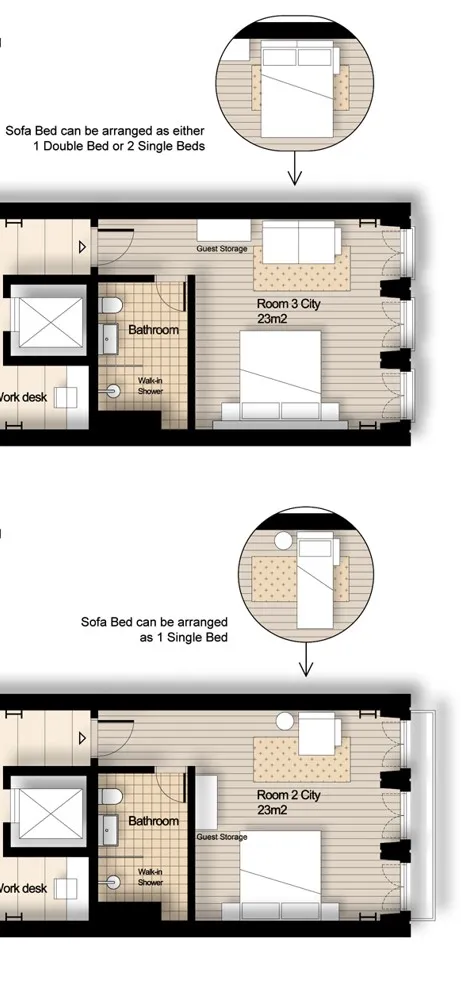
Canto de Luz is my Boutique Maison on Rua Do Almada, right in the heart of the old town. Ten minutes from São Bento, five from Trindade, and every day above starts at the front door. From €99 a night.



What to Book Before You Fly
Porto is a city you can improvise in, which is one of its better qualities. There are only four things I would lock in before you leave home.
| Book ahead | Why | How far ahead |
|---|---|---|
| Livraria Lello | Timed entry, and the queue without one is genuinely absurd | A few days |
| A Douro quinta | The good ones are small and they fill | 1 to 2 weeks |
| The Lisbon train | CP Promo fares open ~60 days out and are a third of the walk-up price | Up to 60 days |
| Dinner on a Friday or Saturday | The good places are small and the city eats late and together | Same week |
Everything else, including the port lodges, the market, the tower and the churches, you can decide on the morning based on the weather. If you are coming up from the capital, my guide to Lisbon to Porto by train has the 2026 fares and the arrival detail that catches people out.
Getting Around While You Do It
You will walk. That is the short version, and it is why staying central matters more here than in most cities: the difference between a ten minute walk home and a taxi is the difference between one more glass and calling it a night.
- The metro handles the airport, Gaia and the trip out to Matosinhos. Six lines, everything meets at Trindade, and the Porto metro map covers the 2026 fares.
- The funicular saves you the worst climb, from the Ribeira up to the bridge deck, in two minutes.
- The tram out to Foz is a sightseeing trip that happens to be transport.
- Taxis and Ubers are cheap and plentiful, and you will want one exactly once, at the end of a long day, uphill.
- Do not hire a car. Parking is miserable, the old town is a maze of one-ways, and you do not need it unless you are leaving the north.
Is Porto Worth Visiting?
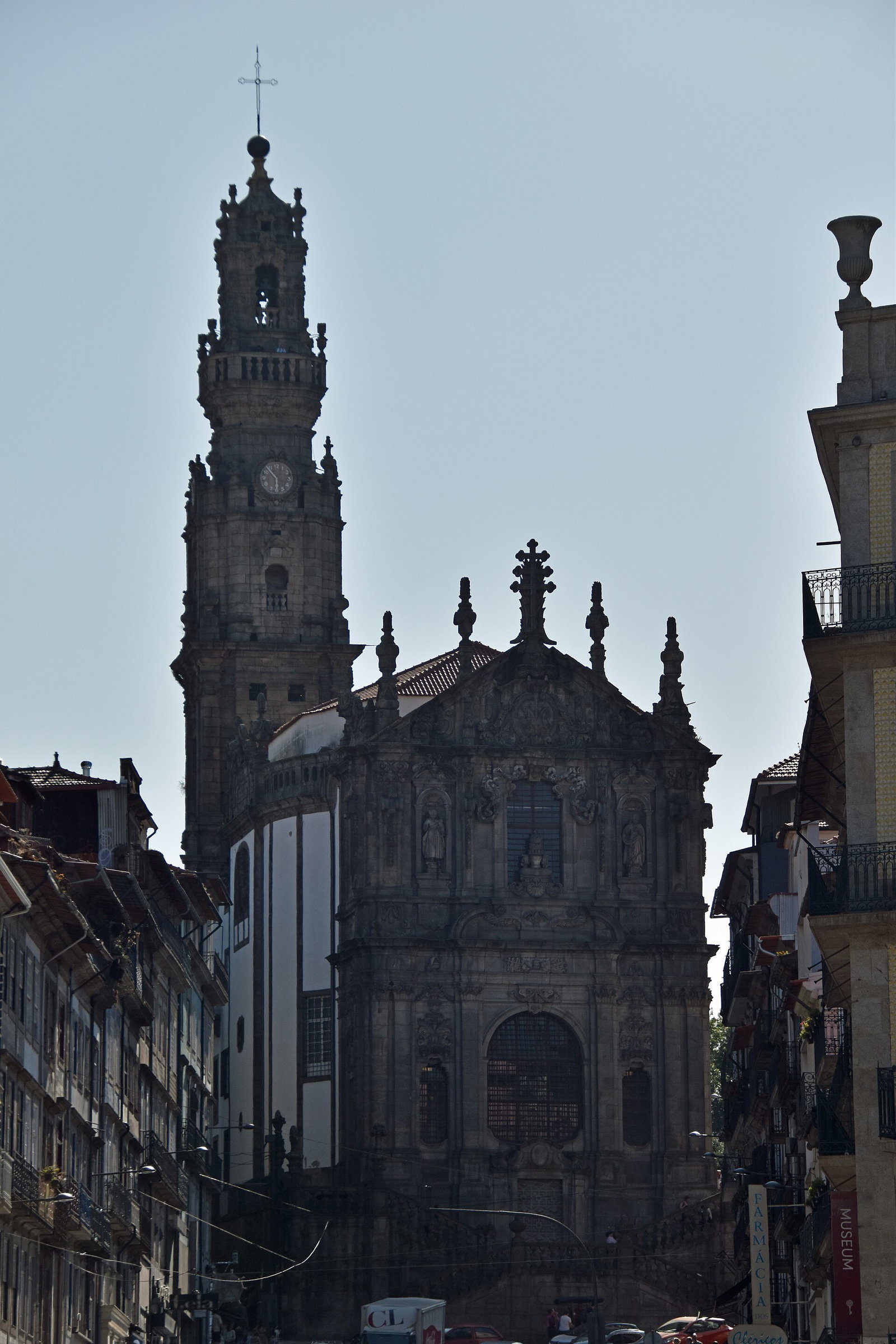

I live here, so treat the answer accordingly. But the case is straightforward. Porto is a working city that happens to be beautiful, rather than a beautiful city that stopped working, and you can feel the difference within an hour of arriving. The market is a market. The trams carry commuters. People live in the Ribeira.
It is also cheap by Western European standards, the food is better than it has any right to be at the price, and the whole thing is small enough to learn in three days. The honest caveats: it rains, properly, and not only in winter. It is hilly in a way photographs flatten. And in July and August the Ribeira at sunset is a crowd rather than a view.
Come in May, June, September or October if you can choose. Come anyway if you cannot.

A Note from Susan
“The mistake I watch people make is planning Porto like a big city, with a list and a schedule and a taxi between each thing. It is not that. Pick one anchor a day, walk to it slowly, and let the rest happen on the way. The best afternoon you have here will be one you did not plan, in a place you found because you took the wrong street.”
More to Explore
- The Ribeira, in detail, for day one.
- Jardim do Morro, with sunset times by month.
- Shopping in Porto, if day two needs a second half.
“Canto de Luz is an amazing find. The hotel itself is a beautiful oasis, and the rooms comfortable, clean and just exactly what we would have designed for our stay. The breakfast that is provided was excellent, and the staff extremely friendly and knowledgeable. We took each one of their suggestions and had an amazing time in Porto. Our only regret is that we could not stay longer!”
Megan Greevy, stayed with family
Porto Itinerary: Frequently Asked Questions
Tap a question to see the answer.
How many days do you need in Porto?
Three. That covers the old town, the Ribeira, the port lodges and one full day out to either the Douro Valley or the coast, without rushing. Two days works if you stay central and skip both. Four lets you do the Douro and the coast.
Is 2 days enough in Porto?
Yes, for the city itself. The old town is walkable end to end in about 25 minutes, so two days covers the Sé, the Ribeira, the bridge, the port lodges, Bolhão and Santa Catarina. What you lose is the Douro Valley and the beach, both of which need a full day.
What should I do on my first day in Porto?
Start at São Bento station, walk up to the Sé, then down through the old town to the Ribeira for lunch. Cross the Dom Luís bridge to Gaia in the afternoon for a port lodge, and finish with sunset at Jardim do Morro. It orients you for everything after.
Is Porto worth visiting?
Yes. It is a working city that happens to be beautiful rather than a museum piece, it is small enough to learn in three days, and it is good value by Western European standards. The caveats are honest ones: it rains, it is genuinely hilly, and the Ribeira at sunset in August is a crowd.
What is the best time of year to visit Porto?
May, June, September or October. Warm enough for the coast, quiet enough to move, and the light is at its best. July and August are hot and busy. Winter is cheap, quiet and often wet, and the city is still worth it.
Can you do the Douro Valley as a day trip from Porto?
Yes, and it is the best use of a third day. The Douro line runs from São Bento along the river to Peso da Régua and Pinhão, so you keep your room in Porto rather than moving hotels. Book a quinta visit in advance and go early.
Do you need a car in Porto?
No, and I would advise against it. The centre is walkable, the metro covers the airport, Gaia and the coast, and parking in the old town is miserable. Hire a car only if you are leaving the north entirely.
How many days in Lisbon and Porto together?
Six or seven, split three and three or four and three, with the train between them. The Alfa Pendular takes 2h50 city centre to city centre, so the travel day costs you an afternoon rather than a whole day.
Three Days Starts Here
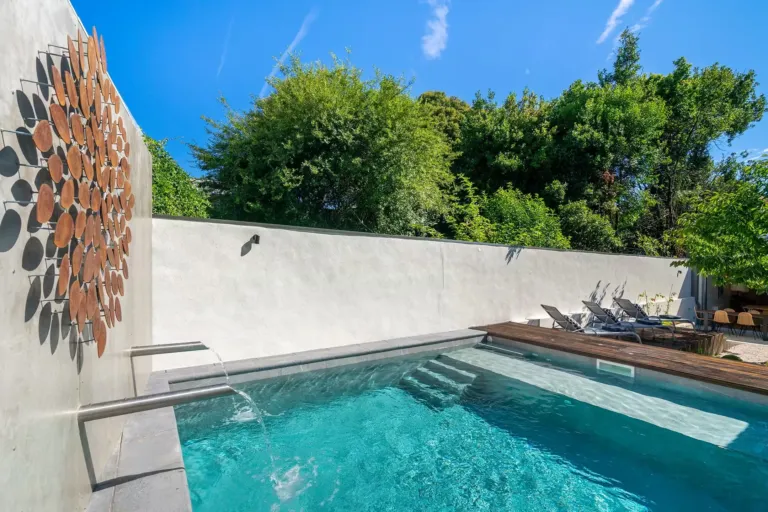
Canto de Luz sits right in the heart of the old town, ten minutes from São Bento. Homemade breakfast every morning, a heated saltwater pool open year round, and a real person to ask which street to take. From €99 a night.
Check AvailabilityImage credits: photography by Jakub Hałun, Sergei Gussev, John Samuel, Afsalgado, Thomas Dahlstrøm Nielsen and Barcex, licensed under CC BY and CC BY-SA via Wikimedia Commons.