

At A Glance
The Ribeira is Porto's historic riverside district on the Douro, part of the UNESCO World Heritage centre since 1996, with the Cais da Ribeira quay, Praça da Ribeira, the Dom Luís I bridge and the Palácio da Bolsa within a few minutes' walk.
- The Historic Centre of Porto, including the Ribeira, was added to the UNESCO World Heritage list on 5 December 1996.
- The Palácio da Bolsa is visited by guided tour only, about 30 minutes, from around €14 for adults.
- The Funicular dos Guindais climbs from the Ribeira to Batalha in about two and a half minutes.
- Six bridges river cruises leave from the Ribeira pier every 30 minutes, 50 minutes long, from €20.
- Canto de Luz is about a 15-minute walk from the Ribeira, down through São Bento and Rua das Flores.
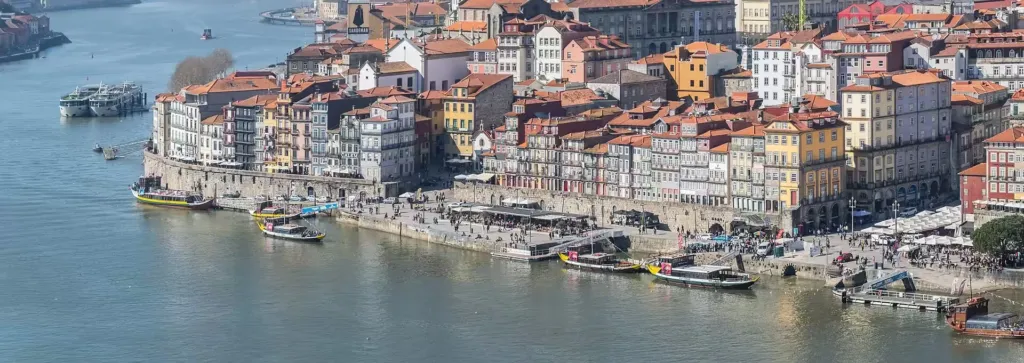
The Ribeira is the Porto everyone pictures: tall, narrow houses in ochre, blue and tile, stacked up the hillside above the Douro, washing on the balconies and rabelo boats moored along the quay. It is the oldest part of the city and its liveliest riverside quarter, a place to walk, eat, watch the river and look across at the port lodges of Vila Nova de Gaia, with the iron arch of the Dom Luís I bridge overhead and the Jardim do Morro viewpoint on the hill opposite.
The district packs a remarkable amount into a few streets: a medieval customs house, a stock exchange palace, a Gothic church lined with gold, the quay where boats leave for Porto river cruises, and a waterfront of cafés and restaurants. From our door on Rua do Almada the Ribeira is about fifteen minutes on foot, downhill through the old town, so it fits into a morning, an afternoon or an evening by the river.
Visiting the Ribeira in 2027? Check dates at Canto de Luz, our Boutique Maison in the old town, a 15-minute walk from the river.
What Is the Ribeira? Porto's Historic Riverside District and UNESCO World Heritage Site
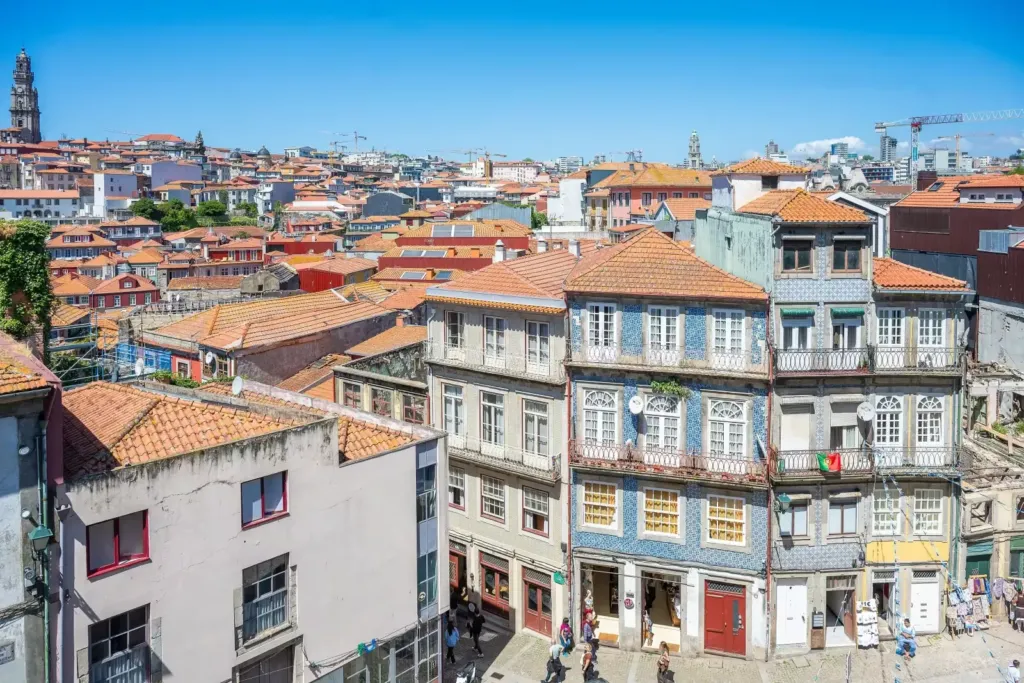
The Ribeira is the riverside quarter at the foot of Porto's old town, stretching along the north bank of the Douro from the Dom Luís I bridge towards the Alfândega, the old customs house. Its name simply means riverbank, and for centuries this was the city's working waterfront, where ships unloaded goods, merchants traded and the barrels of port came down from the Douro Valley on rabelo boats.
Today the Ribeira is the heart of the Historic Centre of Porto, which UNESCO added to its World Heritage list on 5 December 1996, recognising the medieval street plan and the centuries of buildings that survive within it. Steep lanes and stairways climb from the quay towards the cathedral, and the district holds some of the city's most important monuments as well as its best-known riverside promenade.
It is also very much a lived-in neighbourhood, with families in the upper floors, small grocers in the lanes and fishermen's houses beside the restaurants. Visit early in the morning or late in the evening and you will see a quieter Ribeira of locals and laundry lines, before the cafés fill with visitors from late morning onwards.
The Ribeira at a Glance
| Detail | What to know |
|---|---|
| Where | North bank of the Douro, below the cathedral and São Bento |
| UNESCO status | Part of the Historic Centre of Porto, World Heritage since 1996 |
| Main sights | Cais da Ribeira, Praça da Ribeira, Palácio da Bolsa, São Francisco, Casa do Infante |
| Across the river | Vila Nova de Gaia, the port lodges and Jardim do Morro |
| From Canto de Luz | About 15 minutes on foot, or the funicular from Batalha |
The district is compact enough to explore on foot in half a day, but it rewards a slower pace. Combine it with the Porto Cathedral above, the lower deck of the bridge and a crossing to Gaia, and you have one of the best days in the city.
A Short History of the Ribeira, from Medieval Port to Riverside Quarter
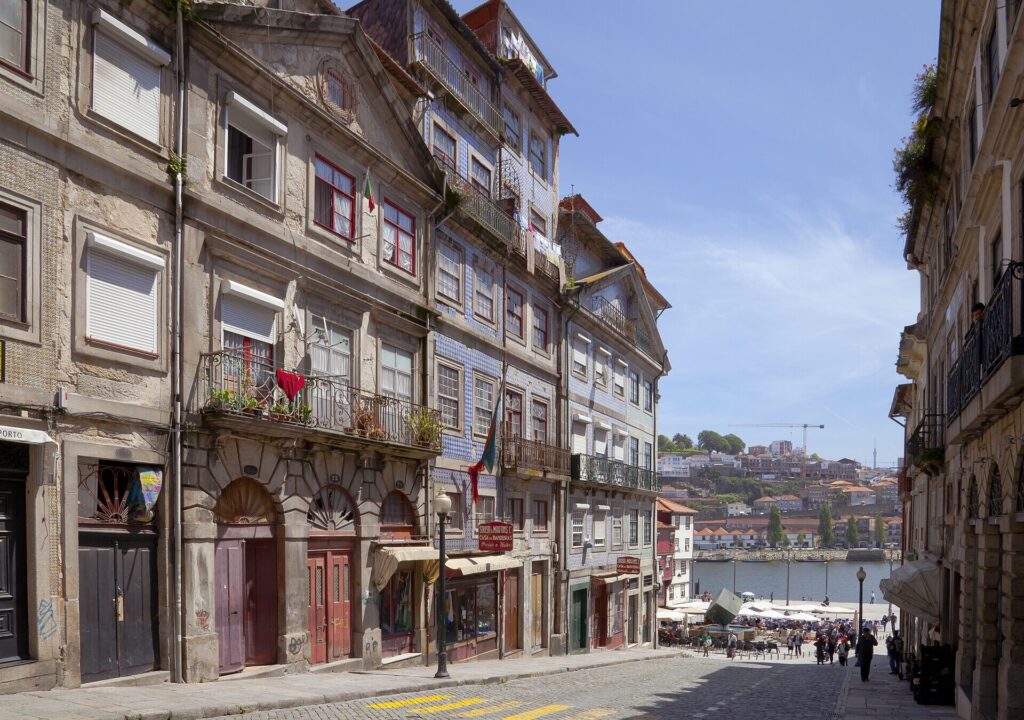
The Ribeira grew up around the river trade that made Porto rich. From the Middle Ages, ships arrived here from northern Europe and the Mediterranean, and the quay became the centre of commerce, with warehouses, merchants' houses and the royal customs house, today the Casa do Infante, built to collect duties on everything that passed through the port. Tradition holds that Prince Henry the Navigator was born in that building in 1394.
Over the following centuries the Ribeira became a dense, crowded quarter of narrow streets and tall houses, built upwards because space was short between the river and the hillside. Its people worked on the boats, in the warehouses and on the quays, and the Douro shaped daily life, bringing trade, floods and, every year, the young port wine from the vineyards upriver to the lodges in Gaia.
In the nineteenth century the city's merchants built the grand Palácio da Bolsa beside the old convent of São Francisco, and the great iron bridges began to span the river, with the Dom Luís I opening in 1886. In the late twentieth century the Ribeira was restored, and its listing as part of the UNESCO World Heritage centre in 1996 helped turn it into the riverside quarter visitors love today.
Top Things to Do in Ribeira Porto: 8 Sights on the Riverside
The Ribeira's sights sit within a few hundred metres of each other, so you can see them all in one unhurried day. The eight below run roughly from the quay up into the old streets, with practical details for each, so you can choose what to see and in which order.
1. Cais da Ribeira, the Riverside Quay
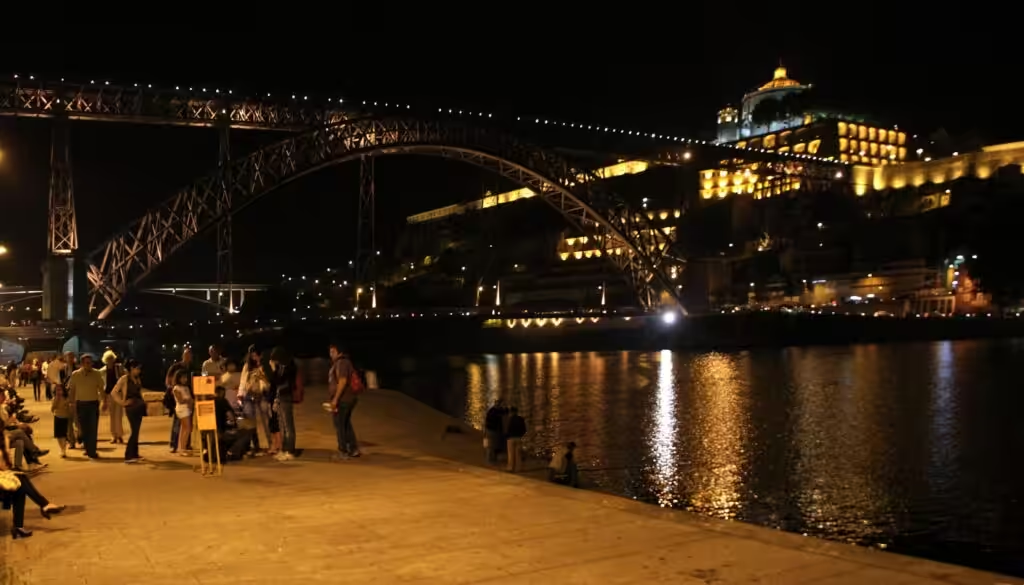
The Cais da Ribeira is the long riverside quay that gives the district its character, lined with colourful houses, café terraces and moored rabelo boats, and looking straight across the Douro to the port lodges of Gaia. It is the place to sit with a coffee or a glass of wine and watch the river traffic, the boats and the people crossing the bridge above.
Walk the length of the quay from the bridge towards the Alfândega and you pass street musicians, small stalls and the old arcades where merchants once stored their goods. In the evening the lights of Gaia reflect on the water, the bridge is lit up, and the quay becomes one of the most romantic places in Porto for a drink before dinner.
The quay is busiest from late morning to late evening in summer. For photographs without the crowds, come early in the morning, when the light falls on the houses and the cafés are only just opening.
2. Praça da Ribeira and the Cubo
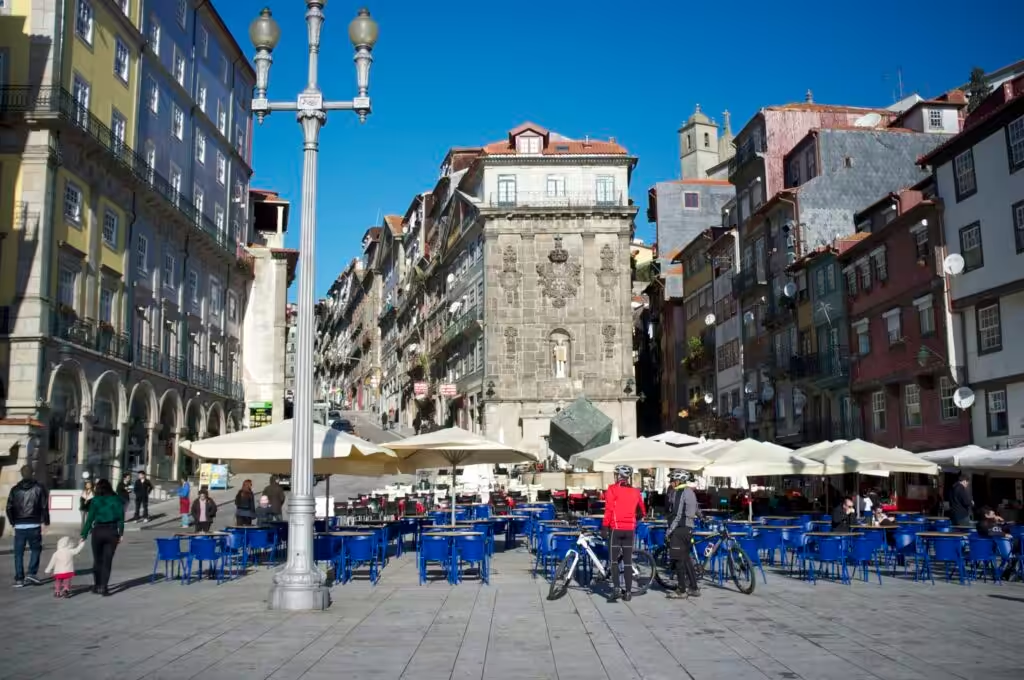
Praça da Ribeira is the square at the heart of the district, opening onto the river and surrounded by tall arcaded houses. In its centre stands the Cubo da Ribeira, a modern cube sculpture by José Rodrigues placed over the remains of a seventeenth-century fountain, and on one side a statue of Saint John the Baptist by João Cutileiro, unveiled in 2000.
The square has been a market place and meeting point for centuries, and it is still where the Ribeira gathers, with terraces spilling out under umbrellas and the river just beyond. It is the natural starting point for a walk along the quay or up into the lanes behind.
Praça da Ribeira at a Glance
- Where: On the quay, a few minutes west of the Dom Luís I bridge
- Look for: The Cubo da Ribeira sculpture and the statue of Saint John
- Best for: Café terraces and people-watching by the river
- Nearby: Cais da Ribeira, the Casa do Infante and Rua da Fonte Taurina
On the night of São João, 23 June, the square and the quay fill with people for the city's biggest festival, with music, grilled sardines and fireworks over the river at midnight.
3. The Dom Luís I Bridge
The Dom Luís I bridge is the great double-deck iron arch that links the Ribeira with Vila Nova de Gaia, opened in 1886 and one of the symbols of Porto. Its upper deck carries metro Line D and pedestrians high above the river, and its lower deck carries cars and pedestrians at river level, straight from the Ribeira quay to the Gaia waterfront.
Walking across the lower deck takes about five minutes and brings you to the port lodges, the Gaia cable car and the riverside restaurants on the other bank. Walking across the upper deck, reached from the cathedral area or Jardim do Morro, gives one of the most spectacular views in the city, looking down on the rooftops of the Ribeira and along the river.
The best plan is to cross the lower deck to Gaia, take the cable car or walk up to Jardim do Morro, then return across the upper deck at sunset. The bridge is especially beautiful at night, when it is lit and the Ribeira glows below.
4. Palácio da Bolsa, the Stock Exchange Palace
The Palácio da Bolsa is the nineteenth-century stock exchange palace built by Porto's Commercial Association beside the old convent of São Francisco, a few steps above the quay. Behind its neoclassical facade is a series of richly decorated rooms, from the glass-roofed Courtyard of Nations to the lavish Arab Room, decorated in an ornate Moorish style and still used for official receptions.
The palace can only be seen on a guided tour, which lasts about 30 minutes and runs in several languages, including English. Tours fill up in summer, so it is worth booking a time slot in advance, especially at weekends and in the busy months from June to September.
Palácio da Bolsa at a Glance
- Where: Rua de Ferreira Borges, above the Ribeira
- Visits: Guided tours only, about 30 minutes
- Tickets: From about €14 for adults, children under 12 free
- Nearby: Igreja de São Francisco and the Casa do Infante
Opening times change with the season, and winter tours can pause at lunchtime, so check the times before you go. Combine the palace with São Francisco next door for an hour of Porto at its most opulent.
5. Igreja de São Francisco
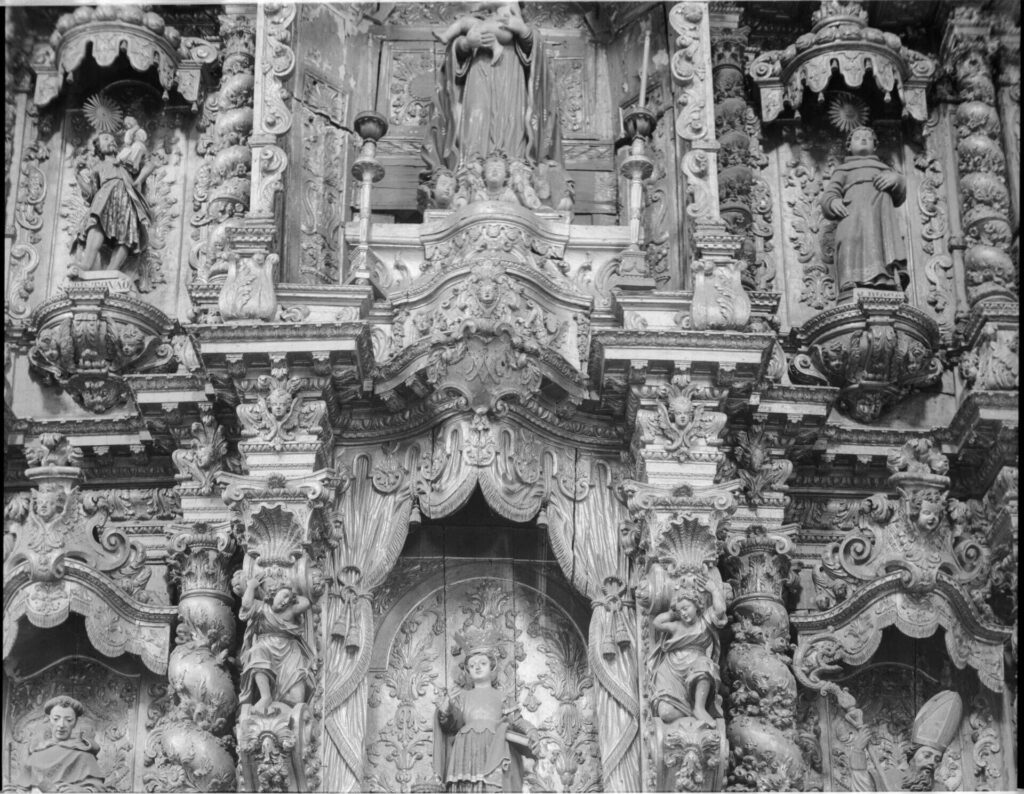
The Igreja de São Francisco looks like a simple Gothic church from the outside, but inside it is one of the most astonishing interiors in Portugal, its walls, columns and altars covered in carved and gilded woodwork from the Baroque period. The Tree of Jesse altarpiece is the masterpiece, a carved family tree of Christ that climbs the wall in gold.
Beneath the church lie the catacombs, where Franciscan friars and members of Porto's wealthy families were buried, including an ossuary that can be seen through a glass floor. The visit also includes a small museum of religious art, and together they make one of the most memorable hours in the Ribeira.
Adult tickets cost about €9, with reductions for students and children, and are sold at the entrance. Photography is restricted inside the church, so take in the gold with your eyes rather than your phone.
6. Casa do Infante
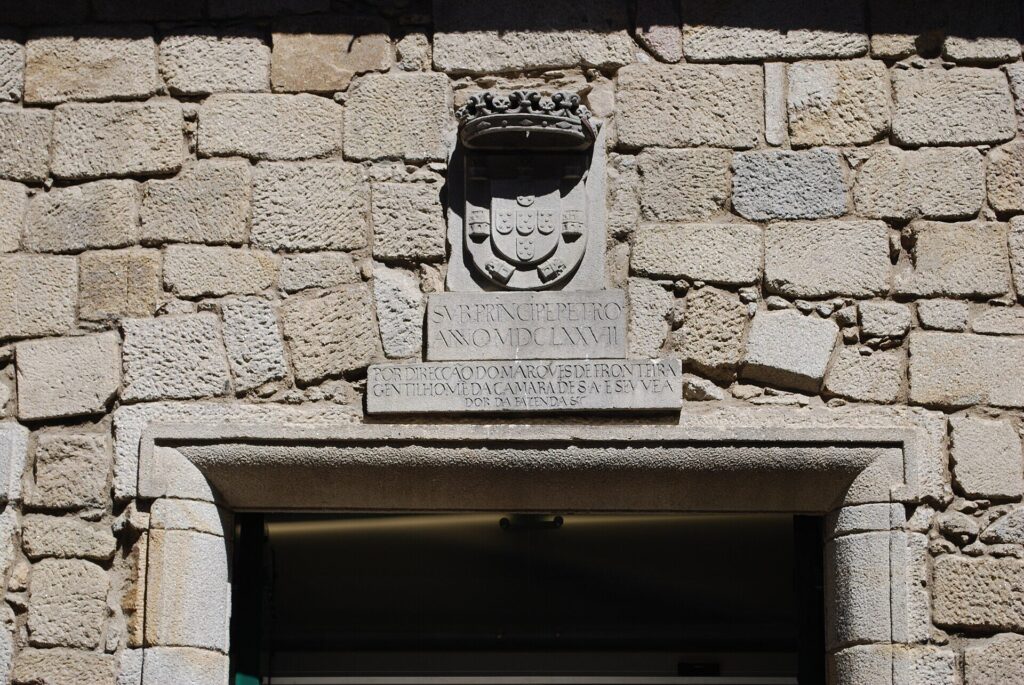
The Casa do Infante is one of the oldest buildings in Porto, built as the royal customs house to collect duties on the goods arriving at the Ribeira. Tradition holds that Prince Henry the Navigator, who sponsored the first Portuguese voyages of discovery, was born here in 1394, which gives the house its name.
Today it is a municipal museum, part of the Museu do Porto, telling the story of the building, the customs house and the city through archaeological remains, including Roman mosaics found beneath the floor. It is quiet, well presented and an excellent introduction to Porto's history before you explore the rest of the district.
Casa do Infante at a Glance
- Where: Rua da Alfândega, just off Praça da Ribeira
- Open: Tuesday to Sunday, about 10:00 to 17:30, closed Mondays
- Tickets: About €4, or a combined city museum ticket
- Nearby: Praça da Ribeira and the Palácio da Bolsa
Because it is less famous than the Bolsa, the Casa do Infante is rarely crowded, which makes it a good choice for the middle of the day when the quay is at its busiest.
7. Igreja dos Grilos
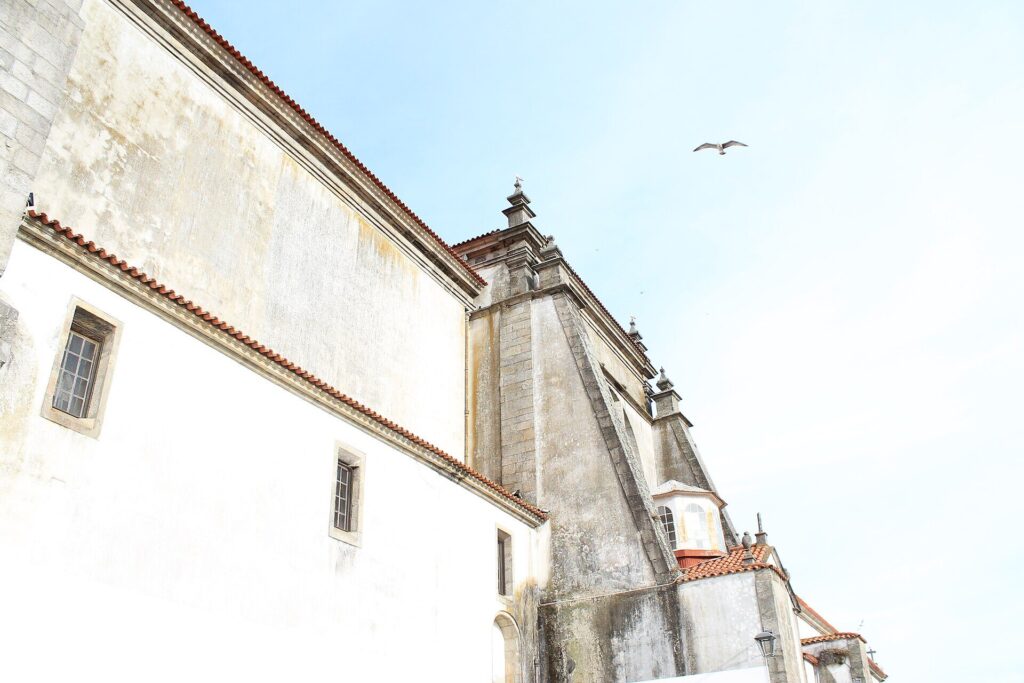
The Igreja dos Grilos, officially the Church of São Lourenço, stands on the slope between the cathedral and the Ribeira, its tall facade facing out over the rooftops. It was built by the Jesuits in the seventeenth century and later passed to Augustinian friars, whose nickname of grilos, meaning crickets, gave the church the name everyone uses today.
Its position makes it one of the landmarks of the Ribeira skyline, seen from the river and from Gaia across the water. The narrow lanes and stairways around it are among the most atmospheric in the district, with old houses, small shrines and glimpses of the Douro between the buildings.
Walk up from the quay through these lanes towards the cathedral, and you pass the church on the way. It is a steep climb, so take it slowly, and save your energy for the cathedral terrace at the top, which has one of the best views over the Ribeira.
8. A Boat Trip on the Douro from the Ribeira
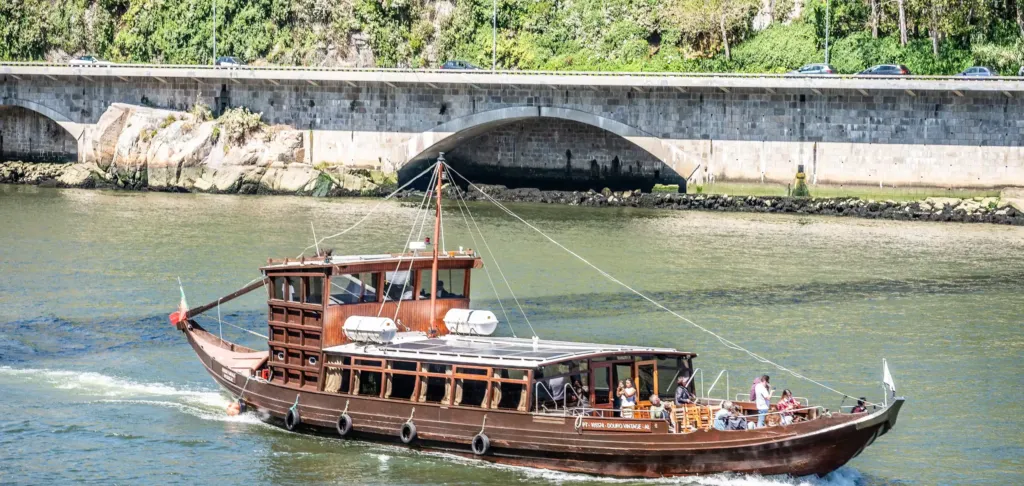
The Ribeira is the starting point for most boat trips on the Douro, and seeing the district from the water is one of the highlights of any visit. The classic six bridges cruise leaves from the Ribeira pier every 30 minutes, lasts 50 minutes and passes under all six of Porto's bridges on a rabelo-style boat, with commentary in several languages.
From the river you see how the houses of the Ribeira climb the hillside, how the bridges span the gorge and how the port lodges line the Gaia bank opposite. Sunset sailings with a glass of port are especially beautiful, as the light turns the houses gold and the city lights come on.
Six Bridges Cruise from the Ribeira at a Glance
- Departs: Cais da Ribeira pier, every 30 minutes
- Duration: 50 minutes
- Fare: About €20 from the Ribeira, €18 from the Gaia pier
- Children: Half price from 4 to 12, free under 3
Our guide to Porto river cruises compares the six bridges cruise, sunset sailings, private boats and full-day cruises to the Douro Valley, with fares and timetables for each.
Getting to the Ribeira: Walking, the Funicular and the Metro
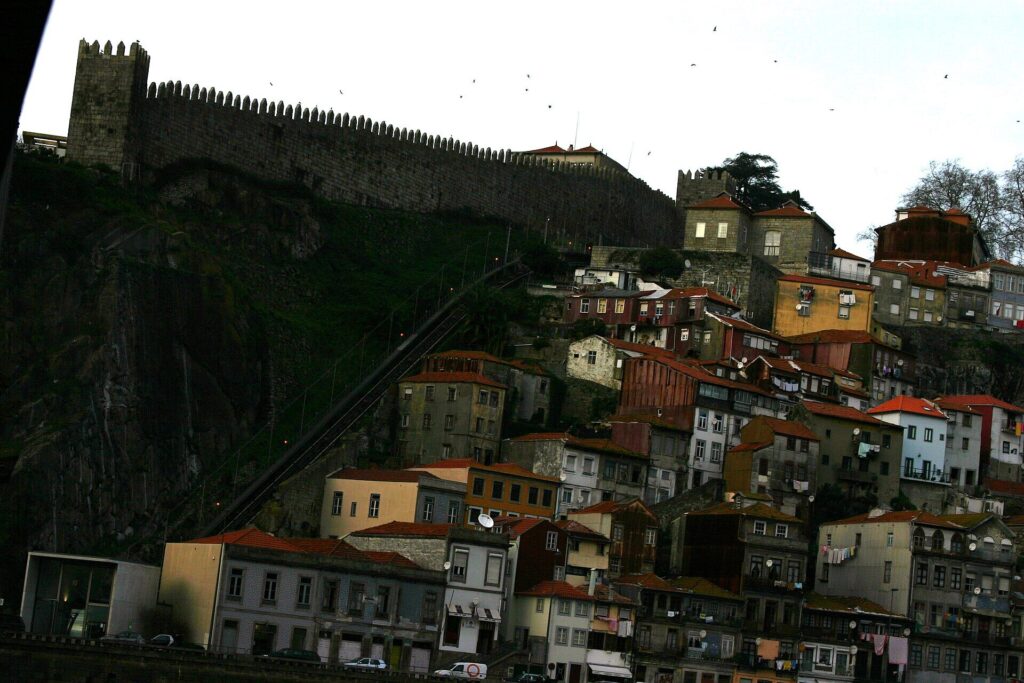
The easiest way to reach the Ribeira is on foot. From São Bento station, walk down Rua das Flores or Rua Mouzinho da Silveira and you reach the river in about ten minutes, passing some of the best shops and cafés in the old town. From Canto de Luz on Rua do Almada the walk takes about fifteen minutes, all downhill.
Coming back up is another matter, as Porto is built on steep hills. The Funicular dos Guindais climbs from the Ribeira near the Dom Luís I bridge to Batalha in about two and a half minutes, running every few minutes through the day, and it saves a hard climb at the end of the day. Tickets cost about €3 one way.
The nearest metro station is São Bento on Line D, about ten minutes' walk uphill. Across the river, Jardim do Morro station sits at the top of the upper deck of the bridge, and the Gaia cable car connects the riverside in Gaia with the upper level near the station, so you can make a loop between both banks.
Ways to Reach the Ribeira
| From | How | Time | Cost |
|---|---|---|---|
| Canto de Luz, Rua do Almada | On foot, via São Bento and Rua das Flores | About 15 minutes | Free |
| São Bento station | On foot, down Rua das Flores | About 10 minutes | Free |
| Batalha | Funicular dos Guindais | About 2.5 minutes | About €3 one way |
| Vila Nova de Gaia | On foot across the lower deck of the bridge | About 5 minutes | Free |
| Anywhere on the metro | Line D to São Bento, then walk | Varies | From €1.40 with an Andante card |
The Funicular dos Guindais guide has the timetable and ticket details, and the Porto metro map shows how Line D links São Bento, the bridge and Gaia.
Where to Eat and Drink in the Ribeira
The Ribeira is lined with restaurants, cafés and bars, especially along the Cais da Ribeira and in the lanes just behind it. The quayside terraces have the best views of the river and Gaia, while the restaurants a street or two back are often quieter, more local and better value, serving grilled fish, octopus, francesinha and Portuguese petiscos.
Fish and seafood are the specialities here, as you would expect by the river: grilled sardines in summer, bacalhau in many forms, octopus and fresh fish of the day. Look at the menus and the crowds before you sit down, and choose places where Portuguese families are eating, which is usually a good sign.
For a quick bite between sights, a bifana, the classic Porto pork sandwich, or a pastel de nata with a coffee costs a few euros at a counter. In the evening, a glass of port or vinho verde on the quay as the sun goes down is the perfect start to a night out.
Eating in the Ribeira: Practical Tips
- Quayside terraces have the views; side streets are often better value
- Grilled sardines are at their best in June and July
- Many restaurants serve lunch from about 12:30 and dinner from about 19:30
- Book ahead for dinner on summer weekends and on the night of São João
- Couvert, the bread and starters brought to the table, is charged if you eat it
If you would rather eat on the other bank, the Gaia waterfront and the lodges have restaurants with views back to the Ribeira, and the walk across the lower deck of the bridge after dinner is lovely on a warm night.
Stay in Porto's Old Town, a Walk from the Ribeira
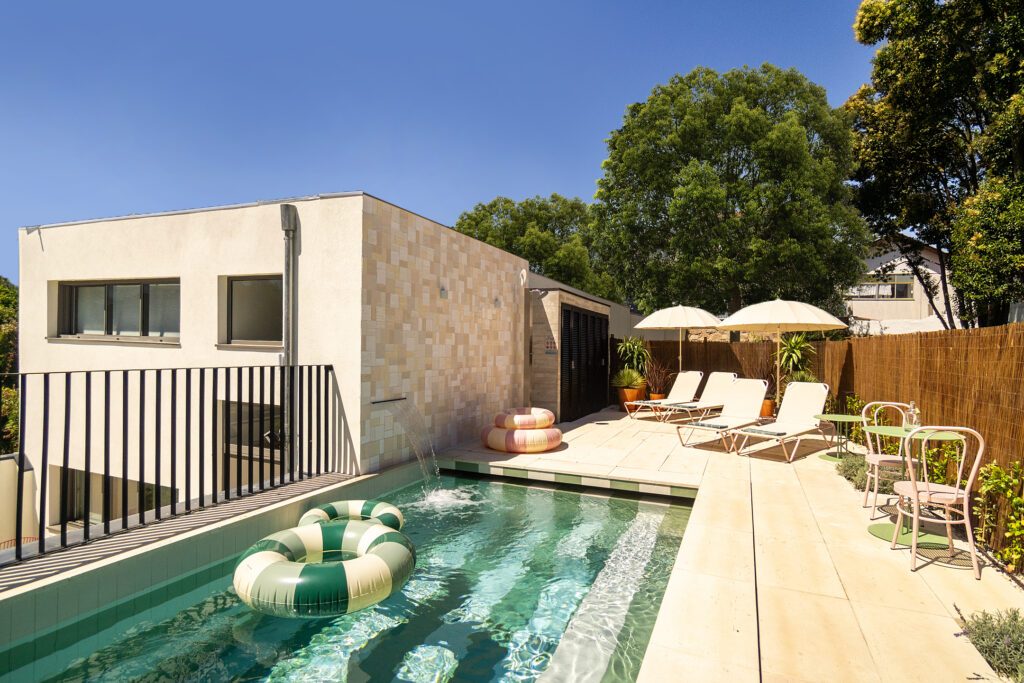
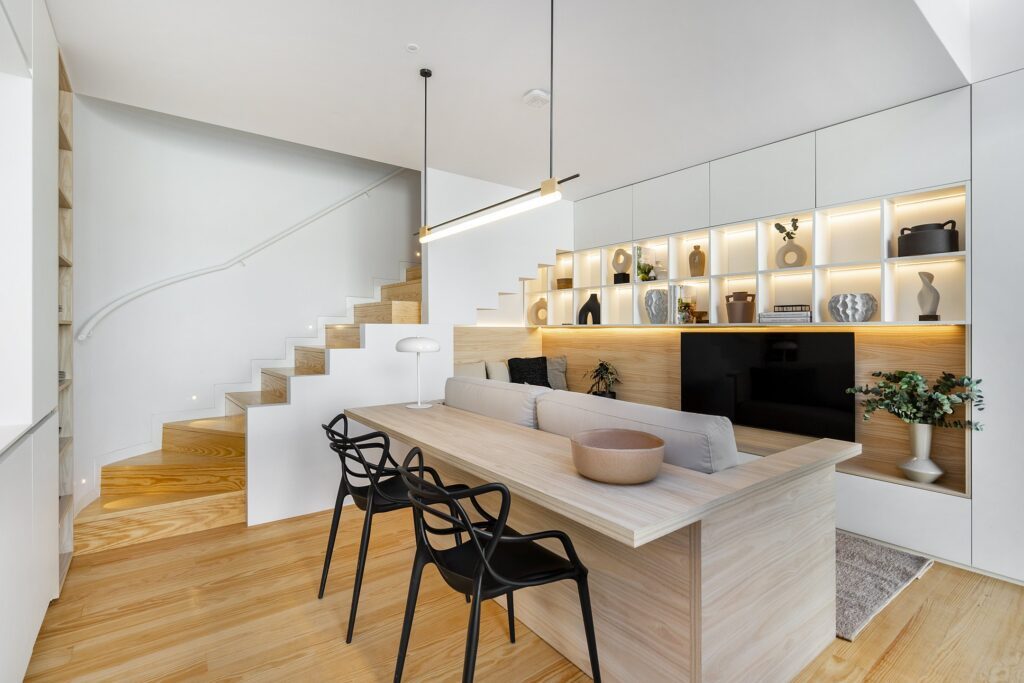
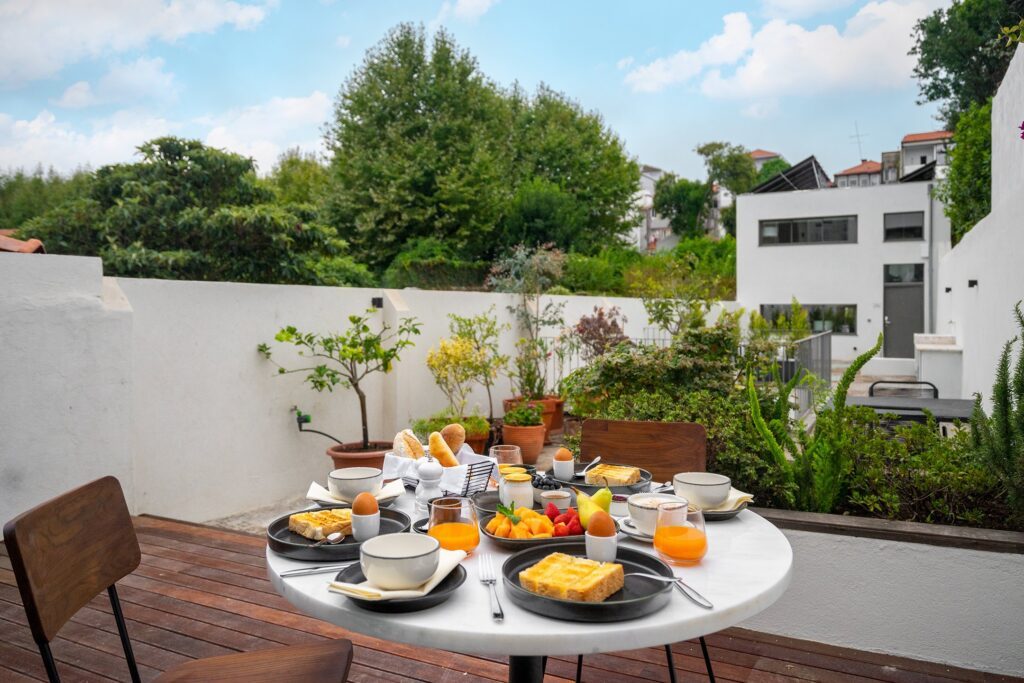
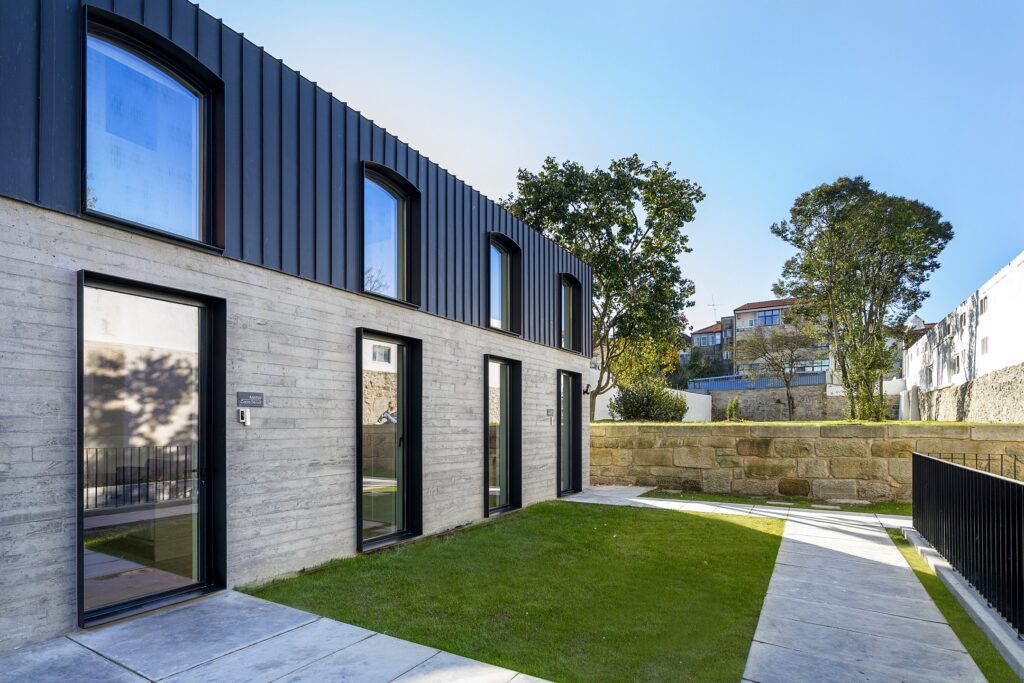
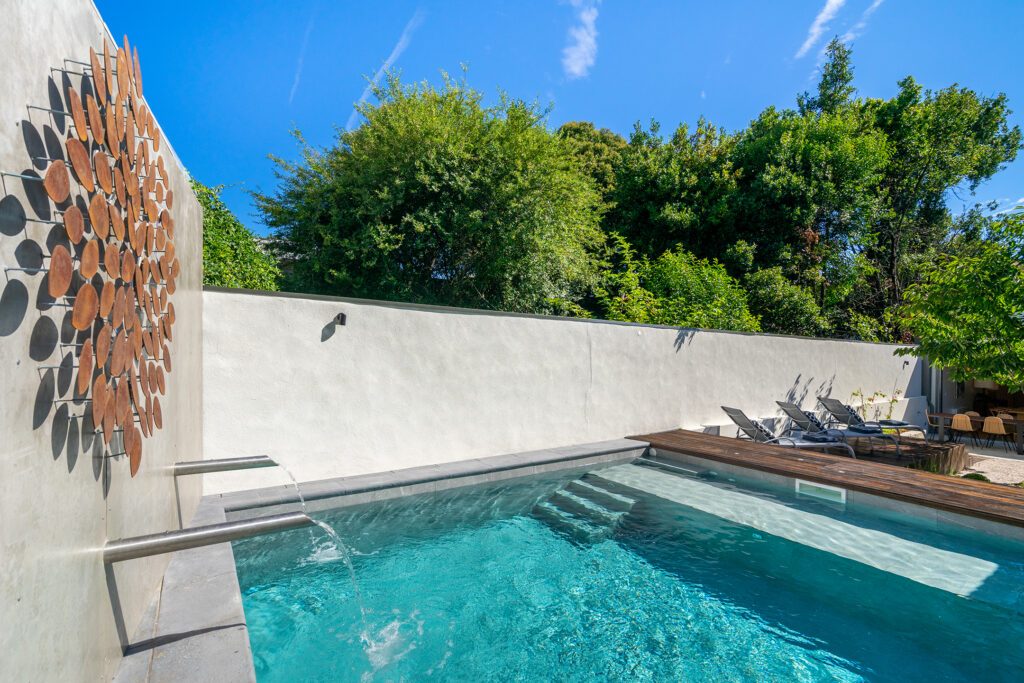
Canto de Luz is a restored Boutique Maison on Rua do Almada, about 15 minutes on foot from the Ribeira, with a heated outdoor saltwater pool open all year and a homemade breakfast that changes every day. From €99 a night.
Best Time to Visit Ribeira Porto in 2027: Seasons, Sunsets and Festivals
The Ribeira is beautiful all year, but its mood changes with the seasons. From May to September the quay is at its liveliest, with long evenings, warm weather and terraces full until late, and the light at sunset turns the houses gold. Spring and early autumn are often the best balance, warm enough to sit outside but calmer than the peak of summer.
The biggest night of the year is São João, on 23 June, when the whole city celebrates its patron saint with music, grilled sardines, plastic hammers and fireworks over the Douro at midnight, and the Ribeira is at the centre of it all. Book accommodation and restaurants well in advance if you plan to be in Porto for the festival in 2027.
Winter is quiet, mild and often beautiful, with clear days and Christmas lights in December, although rain is more frequent from November to March. It is the best time to explore the monuments without queues, and an evening drink on the quay in December, with the bridge lit and the lights of Gaia across the water, is a real pleasure.
The Ribeira Through the Year
| Season | What to expect | Highlights |
|---|---|---|
| Spring, March to May | Mild, some showers, fewer crowds | Sunset walks and the first terrace evenings |
| Summer, June to August | Warm, busy and lively | São João on 23 June, long evenings on the quay |
| Autumn, September to October | Warm days, softer light | Harvest season in the Douro Valley, river cruises |
| Winter, November to February | Cooler and wetter, quiet | Christmas lights and monuments without queues |
For São João, see our guide to the São João festival in Porto, and for the end of the year, New Year's Eve in Porto explains where the fireworks are launched and how the riverside fits into the night.

A Note from Susan
“I love the Ribeira most early in the morning, before the terraces open, when the light comes across the river and the only people on the quay are fishermen and bakers. Walk down from the Maison through Rua das Flores, have a coffee by the water, see São Francisco before the crowds and take the funicular back up. You will have the best of it before most visitors have finished breakfast.”
Where to Stay Near the Ribeira: Canto de Luz in Porto's Old Town
Canto de Luz is a restored Boutique Maison on Rua do Almada, opened with French hospitality and about fifteen minutes on foot from the Ribeira. You can walk down to the river through São Bento and Rua das Flores in the morning, and come back up by the funicular or a short taxi in the evening, to a quiet street away from the late-night bustle of the quay.
After a day by the river, our heated outdoor saltwater pool is open all year from 09:30 to 19:30, and breakfast the next morning is homemade and changes every day. Our team shares restaurant tips, river cruise options and shopping in Porto ideas before you arrive, and Canto Cooking, in the Maison, runs wine and port tastings for an evening in.
 Google review
★★★★★
“Really nice, very friendly staff, Hannah was lovely, do the wine tasting!!”
Nick Dight, Google review
Ribeira Porto: Frequently Asked Questions
Tap a question to see the answer.
What Is The Ribeira In Porto?
The Ribeira is Porto's historic riverside district on the north bank of the Douro, part of the Historic Centre of Porto, a UNESCO World Heritage site since 1996. It includes the Cais da Ribeira quay, Praça da Ribeira, the Palácio da Bolsa and the Igreja de São Francisco.
Is Ribeira Porto Worth Visiting?
Yes. It is the most famous and atmospheric part of Porto, with colourful houses, riverside cafés, historic monuments and the starting point for Douro river cruises. Visit early in the morning or in the evening to enjoy it at its calmest.
What Are The Best Things To Do In Ribeira Porto?
Walk the Cais da Ribeira quay, see Praça da Ribeira, tour the Palácio da Bolsa, visit the Igreja de São Francisco and the Casa do Infante, cross the Dom Luís I bridge to Gaia and take a six bridges river cruise.
How Do I Get To The Ribeira From The City Centre?
Walk down from São Bento station via Rua das Flores in about ten minutes. To go back up, take the Funicular dos Guindais to Batalha, which takes about two and a half minutes and costs about EUR 3 one way.
How Much Does The Palácio Da Bolsa Cost?
The Palácio da Bolsa is visited by guided tour only, lasting about 30 minutes, from about EUR 14 for adults, with children under 12 free. Book ahead in summer, as tours fill up.
When Is The Best Time To Visit Ribeira Porto In 2027?
Spring and early autumn offer the best balance of weather and crowds. Summer is liveliest, with São João on 23 June the biggest night of the year, and winter is quiet, with Christmas lights in December.
Can You See Gaia And The Port Lodges From The Ribeira?
Yes. The Ribeira faces Vila Nova de Gaia across the Douro, and the port lodges line the opposite bank. Cross the lower deck of the Dom Luís I bridge on foot in about five minutes to visit them.
How Far Is The Ribeira From Canto De Luz?
About 15 minutes on foot, downhill via São Bento and Rua das Flores. For the return, the Funicular dos Guindais or a short taxi saves the climb.
Stay a Walk from the Ribeira
Canto de Luz is a restored Boutique Maison on Rua do Almada, about 15 minutes on foot from the Ribeira. Homemade breakfast every morning, a heated saltwater pool open all year, and a team that shares the best of the riverside with you. From €99 a night.
Check AvailabilityImage credits, via Wikimedia Commons: Diego Delso (CC BY-SA 3.0), Concierge.2C (CC BY-SA 3.0), Biblioteca de Arte, Fundação Calouste Gulbenkian (no known restrictions), Jsamwrites (CC BY-SA 4.0) and José Luiz (CC BY-SA 3.0).