At A Glance
The best area to stay in Porto for most visitors is the old town between Aliados, São Bento and the Ribeira, where the main sights, restaurants and metro lines are all within a short walk.
- Baixa and Aliados suit first-time visitors, with Trindade, Aliados and São Bento metro stations close by.
- Ribeira has the river views and the most atmosphere, but it is busy, steep and noisy in the evenings.
- Cedofeita and Bombarda suit couples, Foz and Matosinhos suit beach lovers, and Gaia suits port wine fans.
- The historic centre of Porto has been a UNESCO World Heritage Site since 1996.
- Canto de Luz is on Rua do Almada in the old town, about 5 minutes on foot from Trindade and Aliados and 15 minutes from the Ribeira.
Where to stay in Porto shapes the whole trip, because the city is built on steep hills and the distance between two neighbourhoods often matters less than the climb between them. The historic centre, from the Avenida dos Aliados down to the Ribeira waterfront, holds almost everything a visitor comes to see, and staying inside it means you can walk to the cathedral, the Clérigos Tower and the river and still be back at your room in minutes.
Beyond the centre, each neighbourhood offers something different: the galleries of Cedofeita, the concert halls and avenues of Boavista, the seafront of Foz, the port lodges of Gaia and the beaches of Matosinhos. The Porto metro links most of them, so a base in the old town still puts the whole city within easy reach. Each area has its own rhythm, and knowing it before you book saves a lot of uphill walking once you arrive.
Planning where to stay in Porto in 2027? Check dates at Canto de Luz, our Boutique Maison on Rua do Almada in the old town, five minutes from Aliados.
Where to Stay in Porto in 2027: The Best Areas and Neighbourhoods Compared
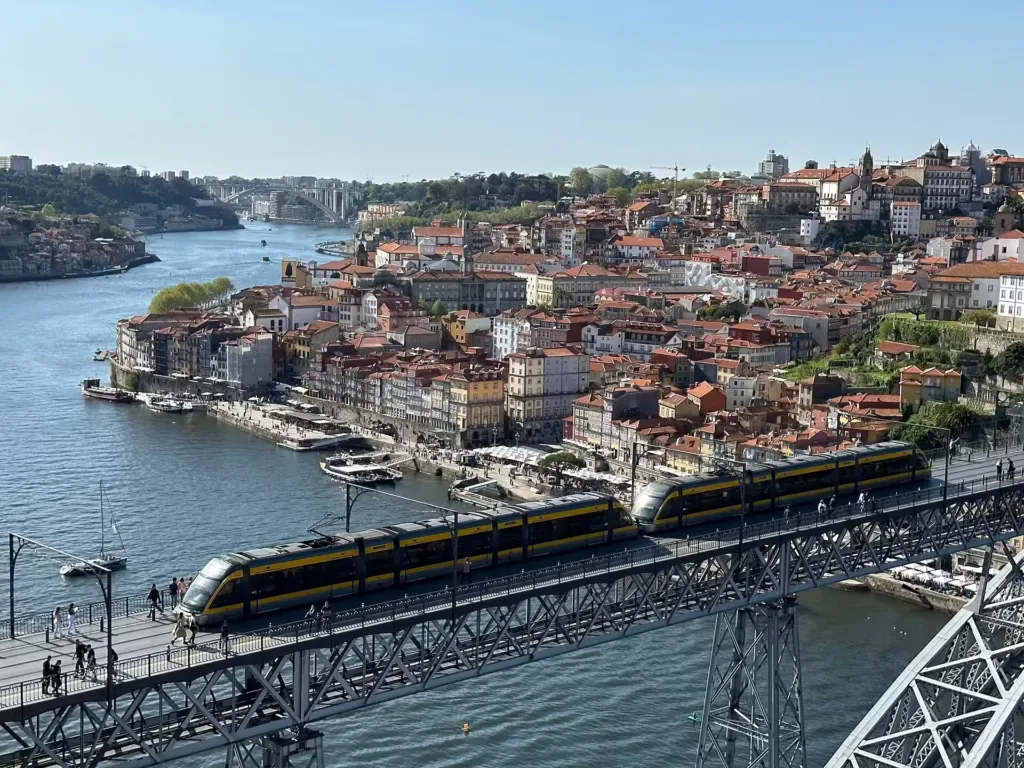
Porto is compact, but its neighbourhoods feel very different from one another. The Baixa around Aliados is the commercial and transport heart, with shops, cafés and the main metro interchanges. The Ribeira and the Sé form the medieval core by the river, all narrow lanes, stairways and tiled houses. To the west, Cedofeita and Miguel Bombarda are the creative quarter, and further out Boavista is the modern business district.
Along the coast, Foz do Douro and Matosinhos bring beaches, seafront promenades and fresh fish, while across the river Vila Nova de Gaia is home to the port wine lodges. To the east, Bonfim is the up-and-coming residential district where many young locals live. Each has its strengths, and the right choice depends on whether you want to walk everywhere, sleep with the sound of the sea, or live like a local.
For a first visit of two to four days, staying in or close to the historic centre is almost always the best decision. It saves time, it saves taxis, and it means you can drop your shopping or change for dinner without crossing the city. For longer stays or return visits, the quieter districts of Cedofeita, Boavista or Foz make a pleasant change of pace.
Porto Neighbourhoods Compared
| Area | Best for | To the Ribeira | Metro | Vibe |
|---|---|---|---|---|
| Baixa and Aliados | First-time visitors | About 15 minutes on foot | Aliados, Trindade, São Bento | Central and lively |
| Ribeira | River views | On the doorstep | São Bento, about 10 minutes | Historic and busy |
| Sé and old town | History lovers | About 5 to 10 minutes | São Bento | Medieval and atmospheric |
| Cedofeita and Bombarda | Couples and creatives | About 20 to 25 minutes | Lapa, Carolina Michaelis | Arty and relaxed |
| Boavista | Business and concerts | Metro or taxi | Casa da Música | Modern and quiet |
| Foz do Douro | Families and the sea | Bus, tram or taxi | None, tram line 1 and buses | Residential and seaside |
| Vila Nova de Gaia | Port wine lovers | Across the bridge, 5 minutes | Jardim do Morro, General Torres | Riverside and wine |
| Bonfim | Living like a local | About 20 minutes | Campo 24 de Agosto, Heroísmo | Local and up-and-coming |
| Matosinhos | Beach and seafood | Metro, about 30 minutes | Line A | Seaside town |
Walking times are unhurried estimates and Porto's hills add to every journey, so a ten-minute walk down to the river can feel like twenty on the way back up. Use the metro and the funicular for the climbs, and choose a base near a metro station if you plan day trips out of the centre.
Baixa and Aliados: The Best Area to Stay in Porto for First-Time Visitors
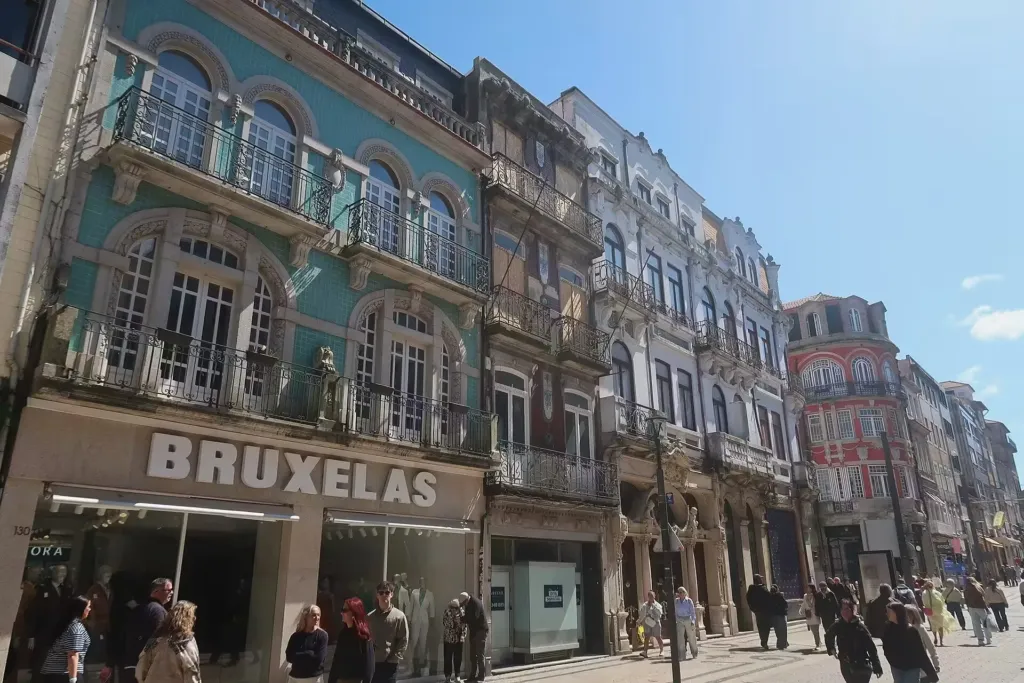
The Baixa, the downtown area around the Avenida dos Aliados and City Hall, is the best area to stay in Porto for a first visit. It is flat by Porto standards, it has the main metro stations at Aliados, Trindade, Bolhão and São Bento, and almost every sight in the city is within a fifteen-minute walk. The streets are lined with grand early twentieth-century buildings, cafés, shops and some of the city's best restaurants.
From the Baixa you can walk to the Clérigos Tower, Livraria Lello, the Bolhão market, Rua de Santa Catarina and São Bento station in a few minutes, and down to the river in about fifteen. Rua do Almada, Rua das Flores and the streets around Trindade are among the most pleasant to stay on, with a mix of old shopfronts, independent cafés and quiet residential houses. Our guide to shopping in Porto covers the best streets nearby, and the area is at its liveliest in December, when the Christmas lights and the tree on Aliados turn the whole avenue into a meeting place.
Baixa and Aliados at a Glance
- Why stay: Central, well connected, walkable to everything, with good restaurants and shops at every turn.
- Think twice if: you want river views from your window or complete quiet, as the busiest squares can be lively until late.
This is where Canto de Luz is, on Rua do Almada between Aliados and Trindade, so our guests have the old town on their doorstep and the airport metro five minutes away. If you want one base that works for everything, the Baixa is the easiest choice in the city.
Ribeira: Where to Stay in Porto for River Views and the Historic Waterfront
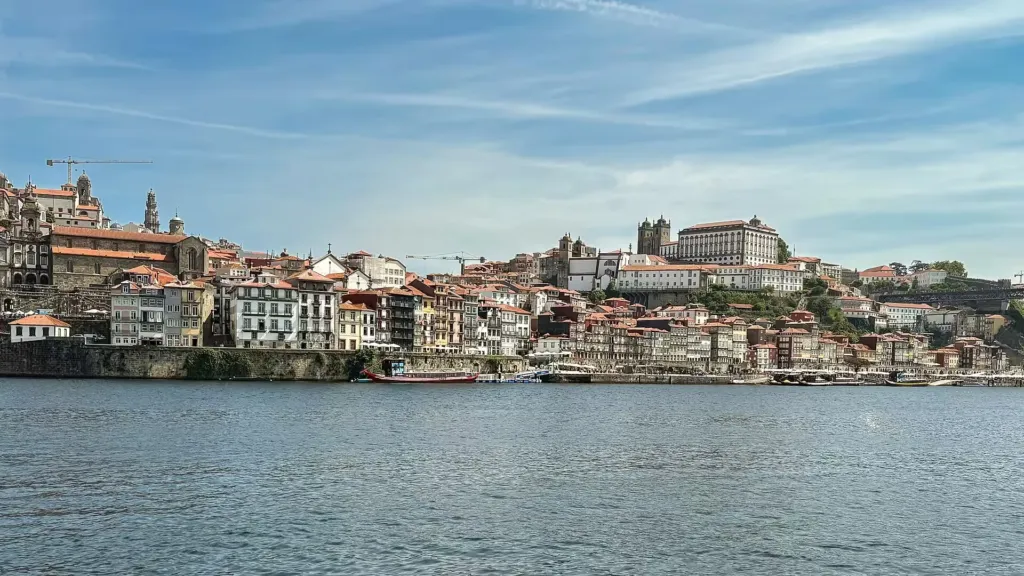
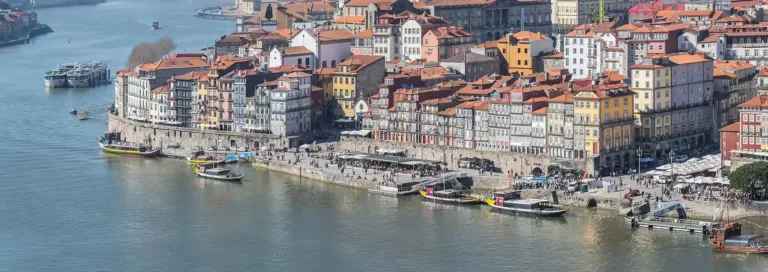
The Ribeira is the postcard view of Porto: tall, colourful houses stacked along the Douro, the iron arch of the Dom Luís I bridge, and cafés and restaurants spilling onto the quay. It is the heart of the historic centre listed by UNESCO in 1996, and staying here means waking up beside the river, with the port lodges of Gaia just across the bridge and the boats for the river cruises leaving from the quay.
The atmosphere is magical in the early morning and after the day-trippers leave, but the Ribeira is also the busiest part of Porto, with crowds, street musicians and restaurants open late. The streets climbing away from the river are steep, narrow and often stepped, which makes arriving with luggage hard work, and many buildings have no lift. Traffic and noise can be an issue near the quay.
Stay in the Ribeira if river views are the priority and you are happy with the climbs. Many visitors prefer to stay a little higher up, in the Baixa or around São Bento, and walk down to the river in the evening, which gives the same atmosphere with quieter nights and an easier walk home. If you do stay by the river, ask for a room on an upper floor facing the water, and check whether the building has a lift before you book.
Sé and the Old Town: Staying Among Porto's Oldest Streets
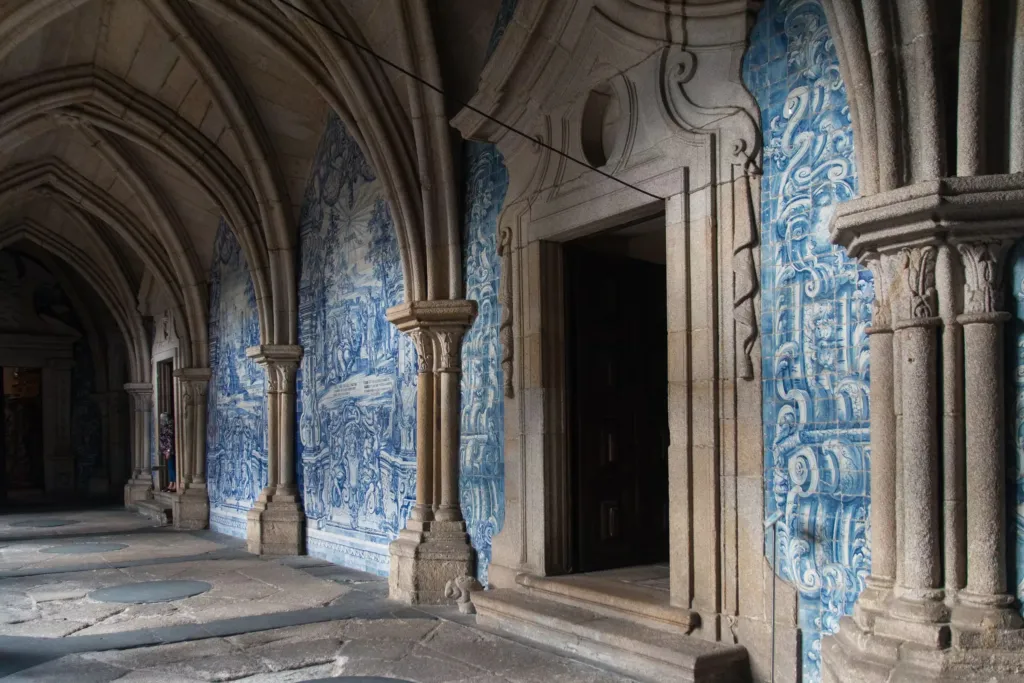
The Sé, the hilltop around Porto Cathedral, is the oldest part of the city, a maze of medieval lanes, stairways and tiny squares that tumble down towards the Ribeira. Staying here puts you in the most historic corner of Porto, with views over the rooftops to the river and the Dom Luís I bridge, and São Bento station a few minutes away.
The neighbourhood is full of character, with old houses, small taverns and laundry strung between balconies, and it has become more popular with visitors in recent years. It is also hilly and some streets are quiet and dimly lit at night, so it suits travellers who enjoy atmosphere over convenience and do not mind a climb at the end of the day.
Sé and the Old Town at a Glance
- Why stay: The oldest streets in Porto, cathedral views and a short walk to São Bento and the Ribeira.
- Think twice if: you have heavy luggage, limited mobility or prefer lively, well-lit streets at night.
For many visitors, the best of both worlds is to stay just above the Sé in the Baixa and walk through the old town each day, rather than climbing its stairways every evening. The walk from the cathedral terrace down the old stairways to the river is one of the most beautiful in Porto, and it is far easier going down than coming back up.
Cedofeita and Miguel Bombarda: Porto's Creative Neighbourhood for Couples
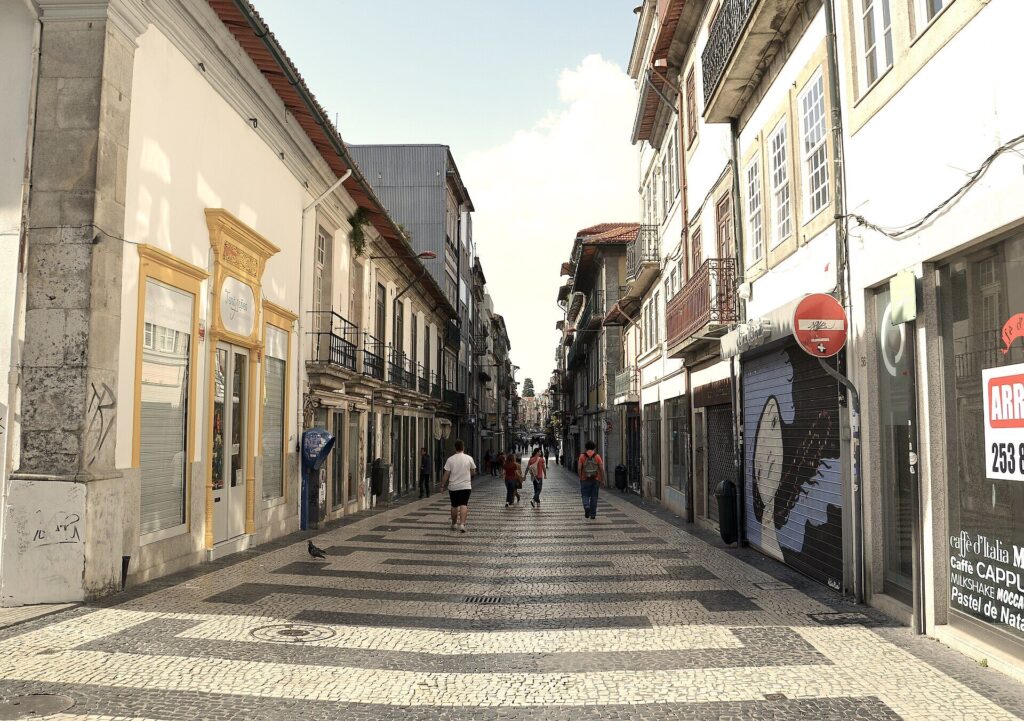
Cedofeita and the streets around Rua Miguel Bombarda form Porto's creative quarter, west of the centre. Rua de Cedofeita, opened in 1784, is a long pedestrian shopping street, and Bombarda is lined with contemporary galleries, vintage shops, design studios and cafés. The street art around the quarter is some of the best in the city.
It is a relaxed, residential neighbourhood with a younger, artistic feel, and it is a pleasant base for couples and return visitors who want to see a different side of Porto. Restaurants and wine bars here are more local than in the Ribeira, and the Crystal Palace Gardens, with their peacocks and river views, are a short walk away.
The trade-off is distance: the Ribeira is about twenty to twenty-five minutes on foot, and the main metro stations are a walk away. It suits travellers who enjoy walking and prefer neighbourhood life to being in the middle of the sights.
Boavista: Where to Stay in Porto for Business, Concerts and Quieter Streets
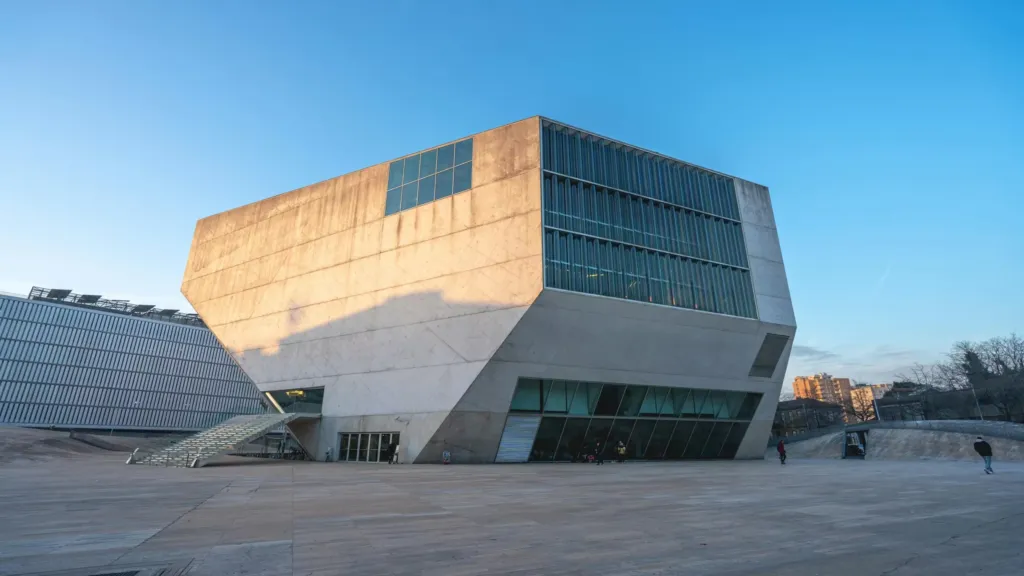
Boavista is Porto's modern business district, centred on the long Avenida da Boavista and the Rotunda da Boavista, home to the Casa da Música concert hall. It has wide avenues, offices, shopping centres, the Mercado Bom Sucesso food hall and many of the city's larger hotels, and it is popular with business travellers and concert-goers.
It is quieter and more spacious than the historic centre, with good metro links from Casa da Música station and easy access to the coast at Foz. The Serralves Foundation, with its contemporary art museum and gardens, is also in this part of the city.
Boavista at a Glance
- Why stay: Quiet streets, concerts at the Casa da Música, good metro links and easy access to Serralves and the coast.
- Think twice if: you want to walk out of your door into the historic centre, as the old town is a metro or taxi ride away.
Boavista suits work trips and visitors attending concerts or events, but for a holiday focused on the historic sights it can feel a little removed from the action. If you do stay here, the metro from Casa da Música takes you to Trindade and the old town in a few minutes, and the Serralves gardens make a lovely half day.
Foz do Douro: The Best Area to Stay in Porto by the Sea
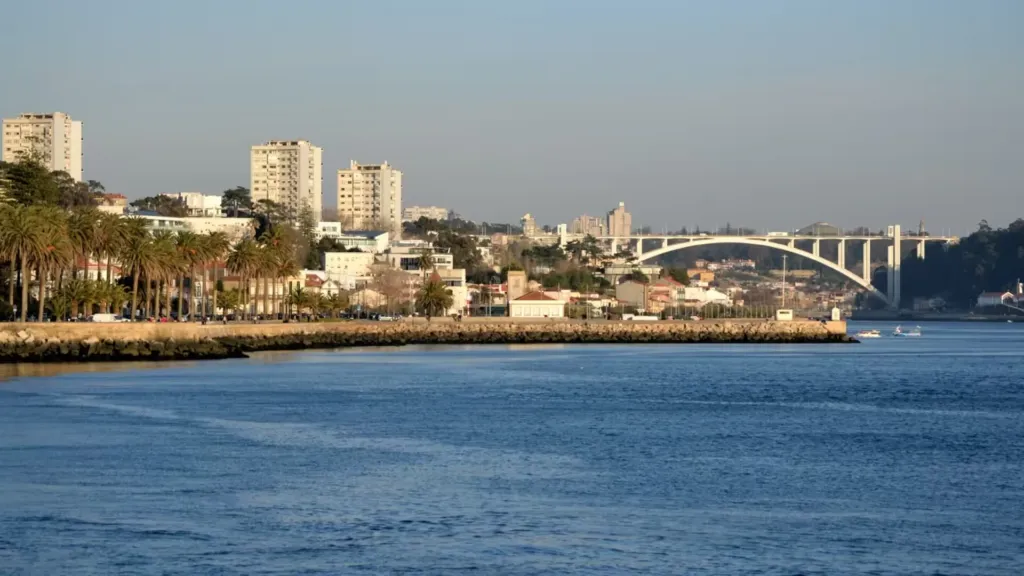
Foz do Douro is where the Douro meets the Atlantic, an elegant residential district of seafront promenades, small beaches, gardens and seafood restaurants. The Passeio Alegre garden, the lighthouse pier and the long avenue along the ocean make it one of the most pleasant places in Porto for a walk at sunset.
It is a favourite with families and travellers who want sea air, space and a slower pace, especially in summer. The historic tram line 1 runs along the river from the centre to Foz, and buses and taxis connect it to the old town, although there is no metro, so the journey into the centre takes longer than from the Baixa.
Choose Foz for a longer stay, a beach holiday or a quieter base with children, and plan to travel into the centre for the main sights. For a short city break, a central base with a day trip to Foz usually works better.
Vila Nova de Gaia: Staying Across the River Among the Port Lodges
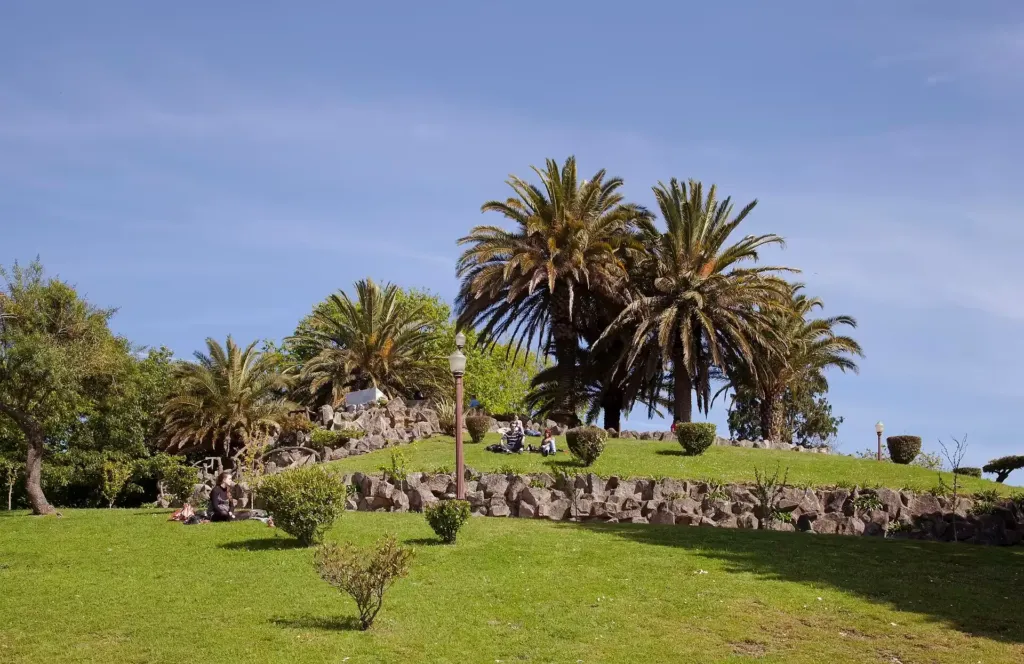
Vila Nova de Gaia is technically a separate city, facing Porto across the Douro, and its riverfront is lined with the historic port wine lodges. Staying in Gaia gives you the best views of Porto itself, especially from the Jardim do Morro garden and the Serra do Pilar terrace, and puts the port cellar tours on your doorstep.
The riverside is lively with restaurants and bars, and the walk across the lower deck of the Dom Luís I bridge to the Ribeira takes about five minutes. Metro Line D crosses the upper deck to Jardim do Morro and General Torres stations, and the Gaia cable car links the riverside to the top of the hill.
Vila Nova de Gaia at a Glance
- Why stay: The best views of Porto, the port lodges and an easy walk across the bridge to the Ribeira.
- Think twice if: you want to be in the middle of Porto's historic streets, as Gaia is quieter away from the riverfront.
Gaia suits port wine lovers and visitors who want a view of the city rather than a view from inside it. Away from the river it is more residential and less atmospheric than Porto's old town. A good compromise is to stay in the old town and spend an afternoon in Gaia for the lodges, the cable car and the sunset view from Jardim do Morro.
Bonfim: Porto's Local and Up-and-Coming Neighbourhood
Bonfim, east of the centre, is a traditional residential district that has become one of the most interesting neighbourhoods in Porto in recent years. Young locals, artists and new cafés, restaurants and galleries have moved in alongside the old grocers and family homes, giving it a relaxed, local atmosphere that feels far from the tourist routes.
It is a good choice for travellers who want to live like a local, with lower prices and quieter streets than the old town. Campo 24 de Agosto and Heroísmo metro stations serve the area, and the centre around Bolhão and Santa Catarina is about fifteen to twenty minutes away on foot.
Bonfim is generally considered a safe, residential area, but it has fewer sights of its own, so you will spend more time walking or taking the metro into the centre. It suits return visitors and longer stays better than a first short trip, and it is a good area to explore on foot for an afternoon even if you stay elsewhere, with its tiled houses, local markets and small neighbourhood cafés.
Matosinhos: Beach, Surf and Seafood on the Porto Metro
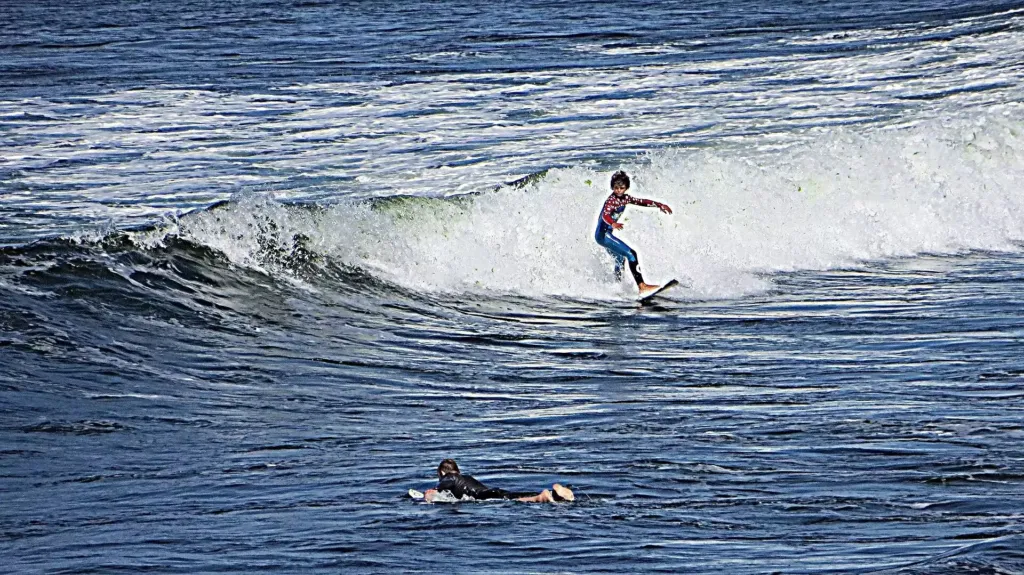
Matosinhos, just north of Porto, is a seaside town with a wide sandy beach, a popular surf scene and some of the best fish restaurants in the region, where fresh seafood is grilled on charcoal in the streets near the port. It is connected to the centre of Porto by metro Line A.
It is a great base for a beach holiday, surfing lessons or a seafood-focused trip, and it is livelier and less formal than Foz. The beach is long and good for walking and swimming in summer, although the Atlantic is cool even in August.
Matosinhos at a Glance
- Why stay: The beach, surfing and excellent seafood, with a metro line into Porto.
- Think twice if: you want to walk to Porto's historic sights, as the centre is about half an hour away by metro.
For most visitors, Matosinhos works best as a day trip from a central base, with lunch at a fish restaurant and an afternoon on the beach, rather than as the main place to stay. Take the metro in the morning, walk the beach and the promenade, eat grilled fish for lunch and be back in the old town by late afternoon.
Best Area to Stay in Porto for First-Timers, Couples, Families, Nightlife and Without a Car
Every traveller has different priorities, so the best area to stay in Porto depends on who you are travelling with and what you want to do. First-time visitors almost always do best in the Baixa or the historic centre, where everything is walkable. Couples enjoy the old town for its atmosphere, or Cedofeita for its galleries and wine bars.
Families often prefer somewhere with space and a pool, or the seaside at Foz, while nightlife lovers should stay near the Galerias de Paris and Rua Cândido dos Reis, the city's main bar streets, just west of Aliados. Without a car, a base near Trindade, Aliados or São Bento puts the whole metro network within a few minutes' walk.
Best Area to Stay in Porto by Type of Traveller
| Traveller | Best area | Why |
|---|---|---|
| First-time visitors | Baixa and Aliados | Walkable to everything, main metro stations |
| Couples | Old town or Cedofeita | Atmosphere, galleries and wine bars |
| Families | Old town with a pool, or Foz | Space, the sea and easy walks |
| Nightlife | Around Galerias de Paris | Bars and late-night streets nearby |
| Without a car | Near Trindade or Aliados | Metro to the airport, beach and Gaia |
| Port wine lovers | Vila Nova de Gaia | The lodges on your doorstep |
| Beach holiday | Foz or Matosinhos | Seafront, sand and seafood |
Whatever your style, avoid choosing a base purely on price far from the centre, as the hills and taxi fares quickly cancel out the saving. A central location with good transport links pays for itself in time and energy, especially on a short break.
Practical Tips for Choosing Where to Stay in Porto: Hills, Lifts, Noise and Transport
Porto is one of the hilliest cities in Europe, and the single most useful thing to check before you book is the climb. Many hotels and apartments in the historic centre are in tall, narrow buildings with steep stairs and no lift, and the streets between the river and the upper town are often stepped. If you have heavy luggage, young children or limited mobility, look for a base on the flatter upper level around Aliados, Trindade and the Baixa, and ask whether the building has a lift.
Noise is the second thing to consider. The Ribeira, the streets around the Galerias de Paris and the busiest squares can be lively until the early hours, especially on Friday and Saturday nights and during the São João festival in June. Rooms facing a courtyard or garden, or on a quieter side street, make a real difference to a good night's sleep, even in the heart of the old town.
Transport is the third. A base within a few minutes of Trindade, Aliados, Bolhão or São Bento gives you the metro to the airport, the beach at Matosinhos and the bridge to Gaia, and the São Bento and Campanhã stations for trains to Lisbon and the Douro Valley. Parking in the historic centre is limited and expensive, so if you are arriving by car, ask your hotel about nearby car parks before you arrive.
Before You Book a Hotel in Porto
- Check whether the building has a lift and how many stairs lead to your room
- Ask for a room facing a courtyard or garden if you are a light sleeper
- Choose a base within a few minutes of a metro station
- Look at the walking route to the Ribeira, not just the distance
- Ask about parking in advance if you are arriving by car
A central base on a quieter street, close to a metro station and on the upper level of the city, ticks almost every box. It lets you walk down to the river in the evening, take the metro to the airport and the beach, and come home to a peaceful room at the end of the day.
Getting Around Porto From Your Base: Metro, Funicular and Walking
Walking is the best way to see Porto, and from a central base almost every sight is within twenty minutes on foot. The distances are short, but the gradients are real, so plan routes that go downhill where possible and use public transport for the climbs. Comfortable shoes with good grip are essential, as the granite pavements become slippery in the rain.
The metro links the airport, the centre, Gaia and Matosinhos, and an Andante card or a contactless bank card covers your journeys. The Funicular dos Guindais climbs from the riverside near the Dom Luís I bridge to the upper town, saving the steepest walk of all, and the Gaia cable car does the same on the other bank of the river.
The historic trams are a lovely way to reach Foz along the river, and taxis and ride-hailing cars are inexpensive for short trips at night. With a central base and a little planning, you will rarely need more than your feet and the metro to enjoy the whole city.
Stay in Porto's Old Town at Canto de Luz
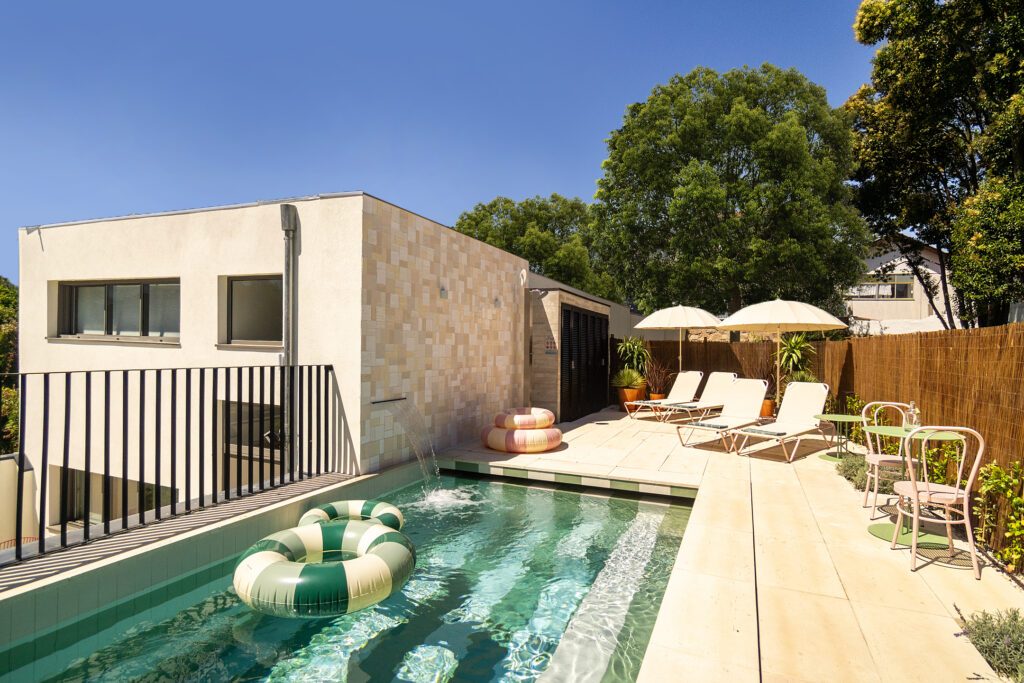
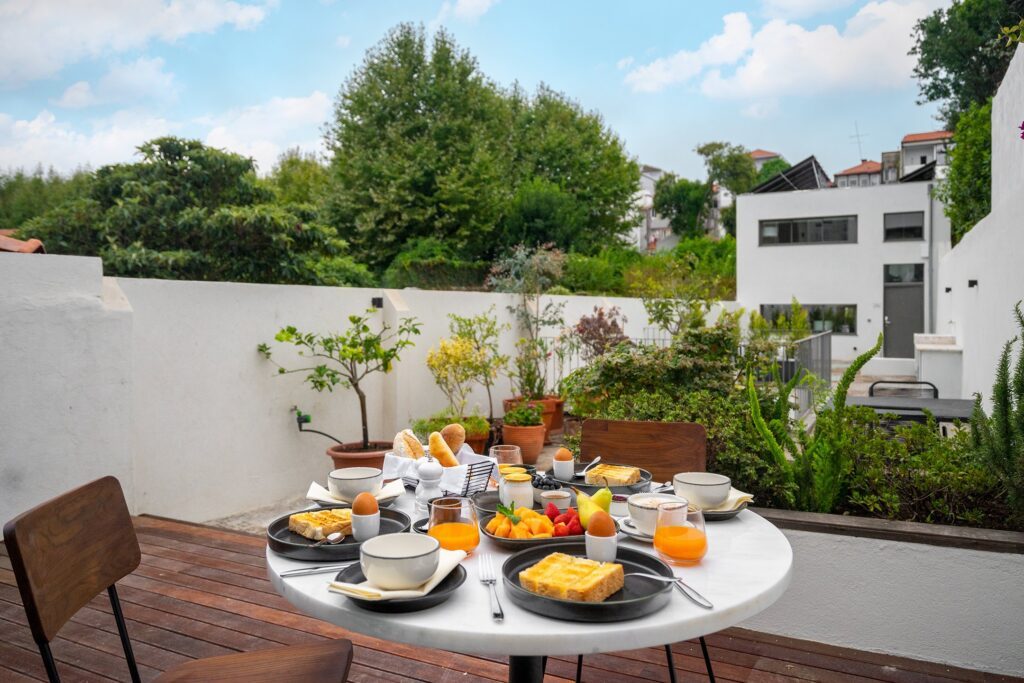
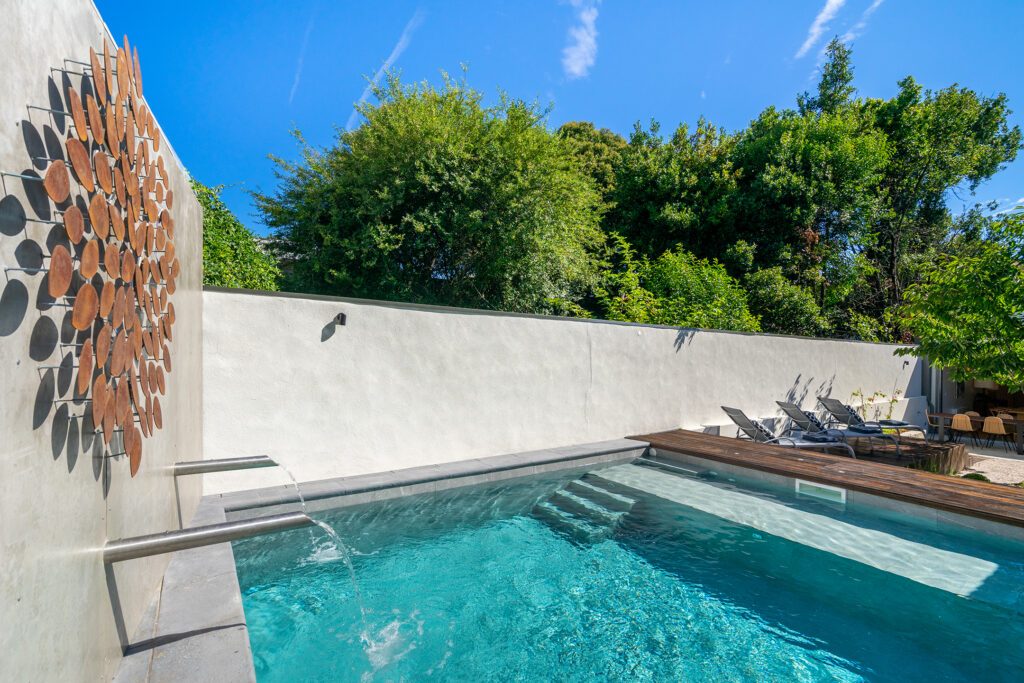
Canto de Luz is a restored Boutique Maison on Rua do Almada, five minutes from Aliados and Trindade, with a heated outdoor saltwater pool open all year and a homemade breakfast that changes every day. From €99 a night.
Stay in Porto's Old Town at Canto de Luz on Rua do Almada
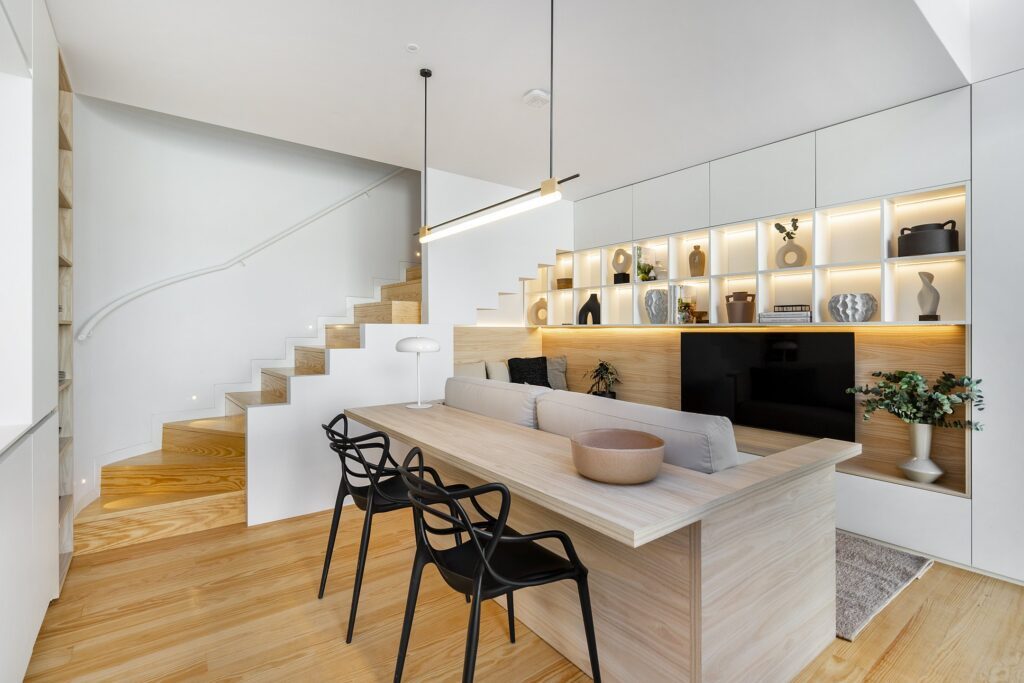
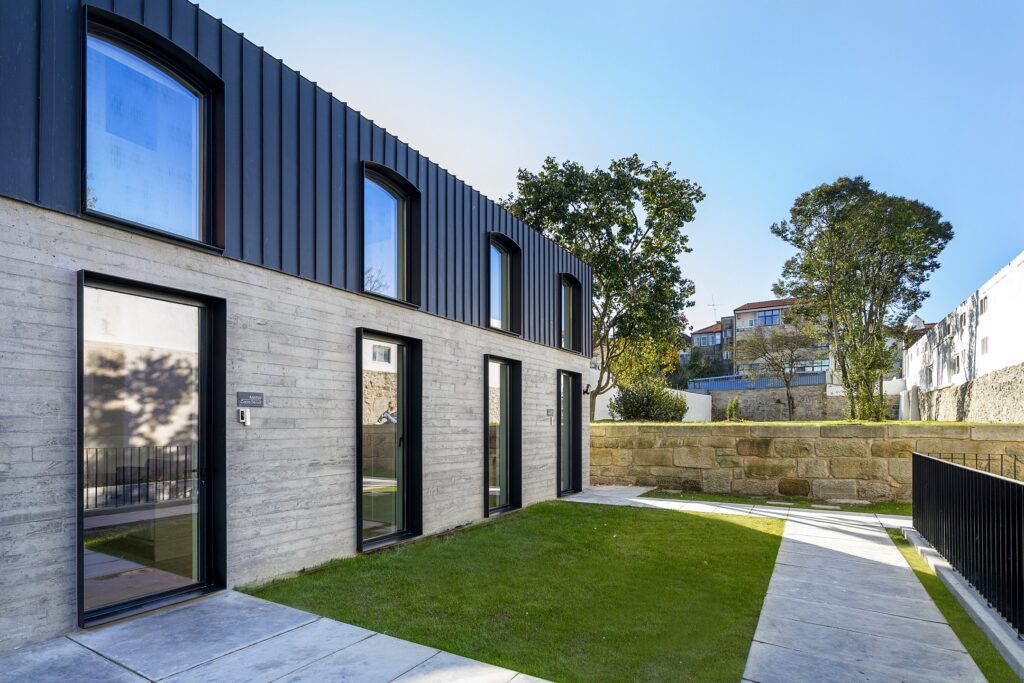
Canto de Luz is a restored Boutique Maison on Rua do Almada, opened with French hospitality in the old town between Aliados and Trindade. It has everything a first visit to Porto needs: central, walkable and well connected, yet tucked behind its own front door on a quieter street, with a garden and a heated outdoor saltwater pool open all year from 09:30 to 19:30.
The Maison has suites with city or garden views, connecting Urban Retreat suites for families and friends, Duplex Garden Villas with their own private outdoor space, and Villa Almada, a two-bedroom villa with its own private pool. Breakfast is homemade and changes every day, and Canto Cooking, our culinary school in the Maison, runs cooking classes and wine and port tastings.
Our team plans your stay with you before you arrive, from airport directions and restaurant reservations to day trips and river cruises. To see suites and prices for your dates, check availability at Canto de Luz, where rates start from €99 a night.
Walking Times from Canto de Luz
- Trindade metro station: about 5 minutes
- Avenida dos Aliados: about 5 minutes
- São Bento station and the Clérigos Tower: about 10 minutes
- Dom Luís I bridge: about 12 minutes
- The Ribeira riverside: about 15 minutes
The airport metro reaches Trindade in about 25 minutes, so you can be at our door within forty minutes of landing, and the old town, the river and the main sights are all on foot from there.

A Note from Susan
“When guests ask where to stay in Porto, I tell them to stay where they can walk home. The city is beautiful but steep, and the best evenings end with a stroll back through the old town rather than a taxi across the city. That is why we chose Rua do Almada: five minutes from Aliados, fifteen from the river, and quiet enough to sleep well.”
 Google review
★★★★★
“This place is incredible. Our room (urban retreat I) was spacious and clean, also packed to the brim with amenities…”
Vince Ricobene, Google review
Where to Stay in Porto: Frequently Asked Questions
Tap a question to see the answer.
What Is The Best Area To Stay In Porto In 2027?
For most visitors, the best area to stay in Porto in 2027 is the historic centre around Aliados, São Bento and the Baixa, where the main sights, restaurants and metro stations are within walking distance and the Ribeira is about fifteen minutes away on foot.
Where Should I Stay In Porto For The First Time?
Stay in the Baixa or the historic centre near Aliados, Trindade or São Bento. Everything a first-time visitor wants to see is within a short walk, and the metro connects you to the airport, the beach and Gaia.
Is It Better To Stay In Ribeira Or Baixa?
Ribeira has the river views and the most atmosphere, but it is busy, noisy at night and very steep. The Baixa is flatter, quieter and better connected, and the Ribeira is about fifteen minutes away on foot.
Where Should I Avoid Staying In Porto?
Avoid staying far from the centre just to save money, as Porto's hills and taxi fares quickly cancel out the saving. Areas near busy nightlife streets can also be noisy late at night.
Is Bonfim A Good Place To Stay In Porto?
Yes, for travellers who want a local feel. Bonfim is a residential, up-and-coming neighbourhood east of the centre with cafés and galleries, served by Campo 24 de Agosto and Heroísmo metro stations.
Is It Better To Stay In Porto Or Vila Nova De Gaia?
Stay in Porto for the historic centre and walkability, or in Gaia for the port lodges and the best views of Porto. The two are linked by the Dom Luís I bridge, about a five-minute walk.
Where Is The Best Area To Stay In Porto With Kids?
Families often prefer a central base with space and a pool, or the seaside district of Foz do Douro. Both give children room to relax after a day of sightseeing.
How Far Is Canto De Luz From The Ribeira?
Canto de Luz is on Rua do Almada, about fifteen minutes on foot from the Ribeira, five minutes from Aliados and Trindade metro station, and ten minutes from São Bento station.
Stay Where You Can Walk Home
Canto de Luz is a restored Boutique Maison on Rua do Almada, five minutes from Aliados and fifteen from the Ribeira. Homemade breakfast every morning, a heated saltwater pool open all year, and a team that plans your stay with you. From €99 a night.
Check AvailabilityImage credit: Rua de Cedofeita by Marcello Saponaro (CC BY 2.0), via Wikimedia Commons.