


Looking to travel from London to Porto? Whether you’re jetting off for a weekend getaway or kicking off a longer European adventure, reaching this stunning Portuguese city is easier than you might think. Porto, famous for its picturesque riverside views, historic port wine cellars, and iconic azulejo-tiled architecture, offers a rich blend of culture, history, and gastronomy that makes it one of Europe’s top travel destinations.
The good news? There are multiple ways to travel from London to Porto, including fast direct flights, scenic train journeys, and flexible road trip options—each suited to different budgets and travel styles.
Before deciding how to travel, it’s helpful to consider when to visit Porto, as the seasons, festivals, and weather can all impact your experience. For insights on the best times to go, check out our guide: Best Time to Visit Porto – Top Seasons, Weather & Events Guide.
In this article, we’ll walk you through all the top ways to get from London to Porto, breaking down travel times, costs, and insider tips to help you choose the best route for your trip.
1. Flights from London to Porto

Flying is the fastest and most convenient way to travel from London to Porto, making it the top choice for most visitors. With direct flights departing daily from several major London airports—including Heathrow, Gatwick, Stansted, and Luton—you’ll find plenty of airline options to match your schedule and budget.
Whether you’re looking for a low-cost carrier or a full-service airline, booking a flight from London to Porto is straightforward and flexible. In this section, we’ll cover everything you need to know: which London airports serve Porto, average flight times, typical fares, airport transfers on both ends, and key pros and cons of flying—so you can decide if it’s the right travel option for your trip.
1.1 Direct Flights
Direct Flights from London to Porto: Airports, Airlines & Duration
When flying from London to Porto, travelers have several airport options to choose from, depending on their location and airline preference. Direct flights to Porto are available from all major London airports:
- Heathrow (LHR)
- Gatwick (LGW)
- Stansted (STN)
- Luton (LTN)
The average flight time from London to Porto is just 2 hours and 20 minutes, making it the fastest and most time-efficient travel option between the two cities.
A variety of airlines operate direct flights on this popular route, including:
- Ryanair
- easyJet
- British Airways
- TAP Air Portugal
With multiple departures daily—especially during peak seasons like summer and holidays—travelers can enjoy great flexibility in choosing flight times that suit their itinerary and budget.
1.2 Cost Breakdown
The cost of flying from London to Porto can vary significantly depending on the airline, time of booking, and season. Whether you’re seeking budget-friendly fares or a more premium flying experience, there are options to suit every type of traveler.
Budget Airlines (Ryanair & easyJet)
Low-cost carriers like Ryanair and easyJet often offer the cheapest flights from London to Porto, with one-way fares starting as low as £20 to £40 when booked well in advance.
Note: These low fares usually exclude extras such as:
- Checked baggage
- Priority boarding
- Seat selection
Be sure to factor in these add-ons when comparing total travel costs.
Full-Service Airlines (British Airways & TAP Air Portugal)
If comfort is a priority, consider British Airways or TAP Air Portugal. These full-service airlines offer a more inclusive experience, with typical one-way fares ranging from £60 to £150. Prices often include:
- Checked luggage
- In-flight meals
- More legroom and seating comfort
When Are Flights More Expensive?
Flight prices from London to Porto usually increase during peak travel periods, including:
- Summer months (June–August)
- Christmas and New Year holidays
- Major Porto festivals and events
Tips to Find Cheap Flights from London to Porto
- Fly midweek (Tuesdays or Wednesdays are often cheaper than weekends)
- Browse in incognito mode to avoid dynamic price increases
- Subscribe to airline newsletters and fare alerts
- Book several weeks or months in advance for the best rates
Airport Transfers – London to Porto Travel Logistics
Getting to Your London Airport:
Depending on which airport you’re flying from, here’s how to get there:
- Heathrow (LHR) – Take the Heathrow Express from Paddington (15–20 minutes), the Piccadilly Line, or taxis.
- Gatwick (LGW) – Use the Gatwick Express from Victoria Station (30 minutes) or other train and coach services.
- Stansted (STN) – Reachable via Stansted Express from Liverpool Street (about 45 minutes) or budget-friendly coaches.
- Luton (LTN) – Accessible by train or coach from central London; a shuttle connects Luton Airport Parkway station to the terminal.
Getting from Porto Airport to the City Centre:
Once you land at Francisco Sá Carneiro Airport (OPO), you’re just 11 km from downtown Porto. Here are your transfer options:
- Metro – Take the Linha E (purple line) to the city centre in around 25 minutes. It’s fast, cheap, and reliable.
- Taxi – Available directly outside arrivals; fares range from €20 to €25 to most central locations.
- Uber & Ride-Sharing – Widely available and often slightly cheaper or more convenient, especially during off-peak times.
Pros and Cons of Flying from London to Porto
Pros:
- Fastest travel option – just over 2 hours of flight time
- High frequency – multiple daily flights for maximum flexibility
- Great for short stays – ideal for weekend trips or quick getaways
- No layovers – direct flights make travel simple
Cons:
- Extra airport time – check-in, security, and boarding add up
- Hidden costs – budget fares often exclude luggage and extras
- Possible delays – flight disruptions can occur
- Transfer time – both departure and arrival airports require planning
- Environmental impact – flying may not appeal to eco-conscious travelers
Check flight schedules and book your tickets directly through these official airline websites or reliable travel booking platforms.
- Ryanair Official Website
- easyJet Official Website
- British Airways Official Website
- TAP Air Portugal Official Website
- Skyscanner Flight Search (compare all airlines and prices)
- Google Flights (easy-to-use flight finder)
2. Train from London to Porto
While flying remains the quickest way to get from London to Porto, traveling by train offers a more scenic and leisurely alternative. Although there’s no direct rail connection between the two cities, you can journey from London to Porto by train with a few well-timed transfers—typically passing through France and Spain.
This overland route lets you soak in breathtaking European landscapes, visit charming towns, and enjoy a slower pace of travel. It’s a great choice for those who value the experience of the journey itself.
Once you arrive in Porto, you’ll have easy access to amazing day trips to places like Braga and the Douro Valley—making it easy to extend your adventure beyond the city. For more inspiration, check out our Day Trips from Porto guide.
In this section, we’ll break down:
- Train route options from London to Porto
- Approximate travel times and costs
- Where and how to book tickets
- Tips for transfers and connections
This guide will help you decide if train travel is the right choice for your journey from London to Porto.
2.1 Route Overview and Connections
Taking the train from London to Porto involves several scenic and well-connected legs. While there’s no direct service, you can make the journey comfortably with a few key transfers:
1. London to Paris
Start your journey by boarding the Eurostar from London St Pancras International to Paris Gare du Nord. This high-speed trip takes approximately 2 hours and 15 minutes.
2. Paris Transfer
After arriving at Gare du Nord, you’ll need to transfer to Gare Montparnasse to catch a train toward Spain. This cross-city transfer takes about 30 to 45 minutes, and can be done by metro, taxi, or ride-share.
3. Paris to Irun or Hendaye
From Gare Montparnasse, take a TGV (high-speed train) to either Irun or Hendaye, towns near the French-Spanish border. This leg of the journey lasts around 4.5 to 5.5 hours.
4. Irun/Hendaye to Porto
The final stretch takes you from Spain into Portugal. You can catch a Renfe domestic train or regional service from Irun or Hendaye to Porto, typically lasting 6 to 7 hours, depending on schedules and connection times.
Total Travel Time
The total duration for the train journey from London to Porto generally falls between 13 and 16 hours, depending on your chosen connections and waiting times between trains.
Ticket Prices & How to Book Your Train from London to Porto
The cost of traveling by train from London to Porto can vary significantly depending on several factors:
- How early you book your tickets
- Travel class (standard, first class, etc.)
- Train type and departure time
Estimated One-Way Ticket Costs:
- Eurostar (London to Paris): £50 – £150
- TGV (Paris to Irun or Hendaye): €50 – €120
- Spanish Train (Irun/Hendaye to Porto): €40 – €80
Booking in advance, especially for Eurostar and TGV, can help you lock in the lowest fares. Prices often rise the closer you get to your travel date, especially during peak seasons.
Recommended Websites for Booking:
- Eurostar – for London to Paris high-speed trains
- SNCF – for French TGV bookings
- Renfe – for Spanish domestic and cross-border trains
- Trainline – for easy booking across UK and Europe in one place.
2.3 Transfer Tips and Logistics
Navigating transfers between train stations in Paris can be challenging if you’re not familiar with the city.
Tips for Transferring Between Gare du Nord and Gare Montparnasse
To ensure a smooth connection between Gare du Nord and Gare Montparnasse in Paris, it’s best to allow at least 90 minutes for the transfer—this helps you avoid unnecessary stress or rushing.
Metro Option:
Take the Paris Metro Line 4 from Gare du Nord to Strasbourg–Saint-Denis, then transfer to Line 9 heading toward Montparnasse–Bienvenue. This route is cost-effective and avoids road traffic, though it can be crowded during peak hours.
Taxi & Ride-Sharing Option:
Alternatively, you can opt for a taxi or use ride-sharing services like Uber for a more direct journey. However, be aware that Paris traffic—especially during rush hour—may cause delays, so factor in extra time just in case.
When you arrive in Irun or Hendaye, make sure your connection to Porto is well-timed. In some cases, overnight train options are available, which can be a convenient way to save on accommodation while continuing your journey.
2.4 Pros and Cons of Train Travel
Pros of Traveling from London to Porto by Train
- Scenic journey through picturesque landscapes in France, northern Spain, and Portugal
- Greater comfort compared to flying, with roomier seats and onboard services
- No hidden luggage fees, unlike many budget airlines
- A more eco-friendly travel option, with a lower carbon footprint than air travel
Cons of Taking the Train from London to Porto
- Longer travel time, often exceeding 12 to 16 hours
- Multiple transfers, which can be stressful if connections are tight or delayed
- Higher costs compared to low-cost flights, especially if not booked early
- Less frequent train schedules making planning more rigid, particularly for some cross-border segments
3. Driving from London to Porto
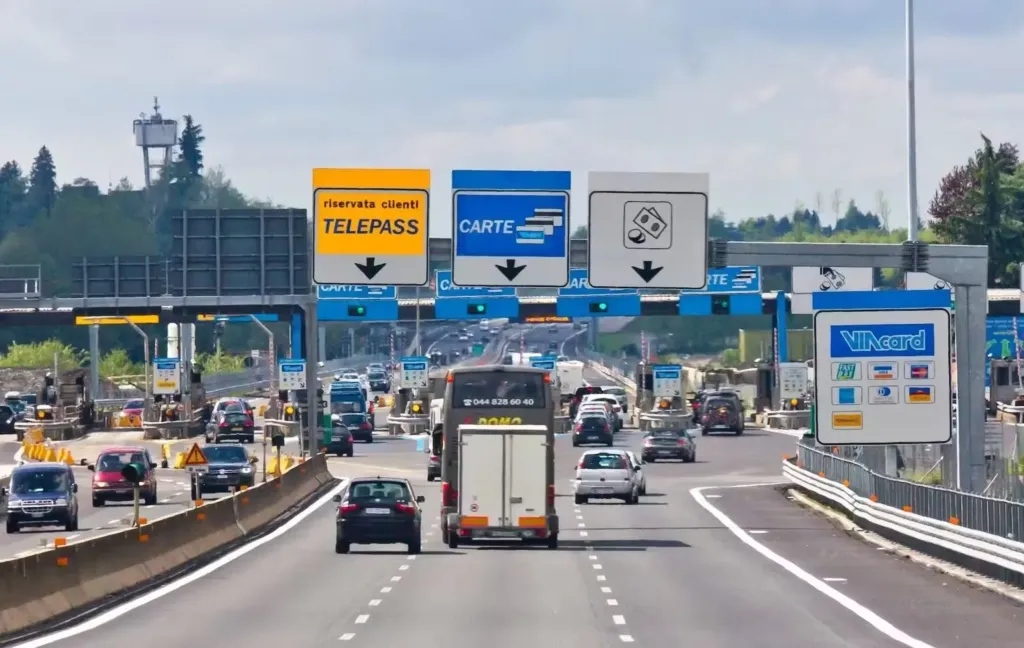
If you enjoy the freedom of the open road and want to discover Europe on your own terms, driving from London to Porto is a thrilling and flexible option. While the journey covers approximately 1,600 kilometers, it offers the opportunity to pass through multiple countries, take in breathtaking scenery, and uncover hidden gems along the way.
Once you arrive in Porto, you can reward yourself with a relaxing visit to the city’s beautiful beaches, coastal viewpoints, and quieter local favorites. For ideas on where to unwind, check out our Guide to Porto’s Beaches, Hidden Gems, and Popular Spots.
In this section, we’ll cover:
- Recommended driving routes from London to Porto
- Estimated costs including fuel, tolls, and accommodation
- Tips for border crossings and driving regulations
- Pros and cons of choosing a road trip over other travel methods
3.1 Route Overview
The most popular driving route from London to Porto takes you through France and Spain, offering a blend of efficient highways and scenic views:
- London to Folkestone – Drive via the M20 motorway to Folkestone, where you can choose between:
- Eurotunnel (Channel Tunnel): ~35 minutes
- Ferry to Calais: ~90 to 120 minutes
- Eurotunnel (Channel Tunnel): ~35 minutes
- Calais to Porto – From Calais, head south through France using the A1 and A10 motorways, continue into Spain via the AP-1 and A-62, and then cross into Portugal on the A25, ending the trip via the A1 motorway to Porto.
Estimated driving time: Around 15 to 17 hours, excluding rest stops—so many travelers choose to spread the journey over two or more days.
3.2 Driving Costs to Budget For
Traveling by car offers flexibility, but it comes with a range of expenses. Here’s what to consider for your London to Porto road trip:
- Fuel: Approximately €150–€200 one-way (depending on your car’s fuel efficiency)
- Tolls:
- France & Spain: Expect €100–€150
- Portugal: Mostly electronic tolls, costing around €20–€30
- France & Spain: Expect €100–€150
- Channel Crossing:
- Eurotunnel: £50–£150, depending on timing and vehicle
- Ferry: Similar pricing, with variations by provider
- Eurotunnel: £50–£150, depending on timing and vehicle
- Accommodation: Budget for hotels or roadside motels if splitting the trip
- Extras: Parking, meals, city congestion charges, and snacks along the way
3.3 Border Crossings & Required Documentation
Driving across multiple European countries requires proper documentation and awareness of cross-border rules:
- Carry a valid passport or EU ID card (especially post-Brexit)
- Ensure your driving license is accepted in France, Spain, and Portugal (UK licenses are generally valid)
- Bring essential vehicle documents, such as:
- Registration
- Insurance certificate
- Green Card insurance (recommended for peace of mind)
- Registration
- Know the road rules in each country:
- Speed limits
- Required items (e.g., reflective vest, warning triangle)
- Local toll systems and payment options
- Speed limits
- Always check for current travel advisories or COVID-19 health regulations before your trip
3.4 Pros and Cons of Driving from London to Porto
Pros:
- Full control over your schedule, stops, and detours
- Great for discovering lesser-known towns and countryside
- No restrictions on luggage or weight
- Unique way to experience Europe’s diverse landscapes and cultures
Cons:
- Long hours of driving can be tiring, especially solo
- Tolls, fuel, and overnight stays increase overall cost
- Navigating parking and traffic in urban areas like Porto can be tricky
- Requires careful planning for routes, documents, and rest stops
4. Bus and Coach Travel from London to Porto
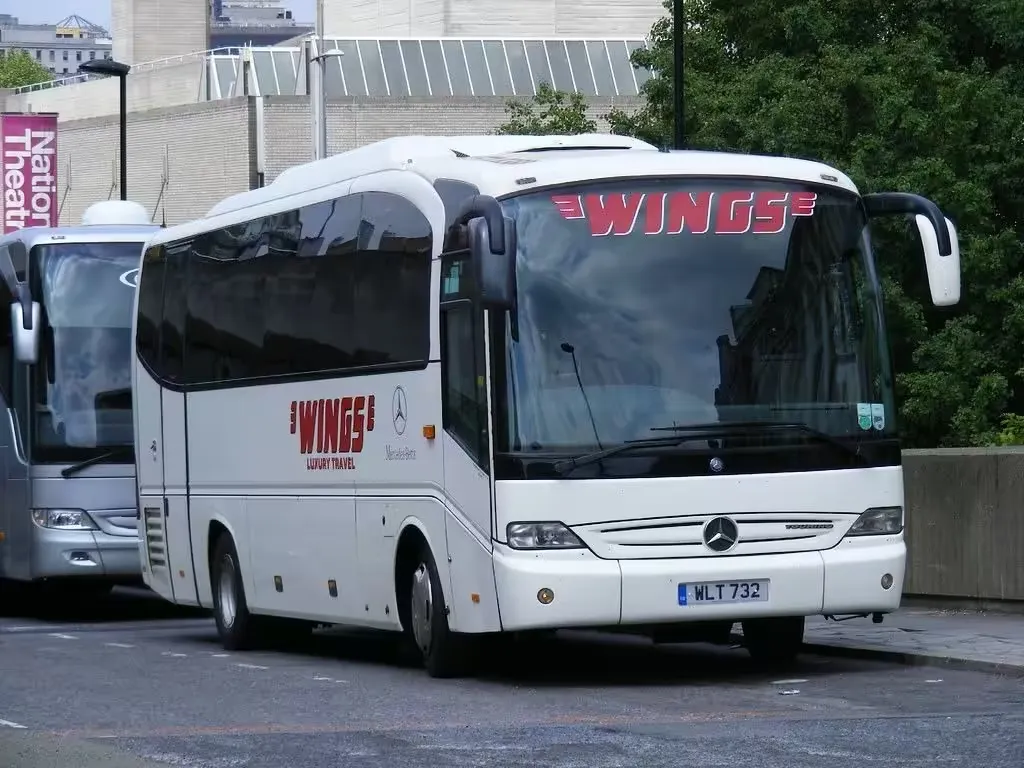
For budget travelers or those who enjoy the experience of slow overland travel, taking a bus or coach from London to Porto offers a highly affordable—though time-consuming—alternative. With journey times often exceeding 24 hours, this option is best suited for travelers with flexible schedules who don’t mind the long ride and are eager to see the European countryside from the ground.
4.1 Bus Operators and Routes
Several major coach operators run services between the UK and Portugal, though most routes include at least one or two transfers. There are currently no direct buses from London to Porto, but connections are readily available through key transit cities.
Popular Bus Operators:
- FlixBus – Offers extensive European coverage, with routes from London to Porto that typically include stops in cities such as Paris, Bordeaux, or Madrid. Known for affordability and modern amenities.
- Eurolines – A long-established cross-border coach network offering services throughout Europe, including connections into Portugal.
- Alsa – Spain’s national coach provider, ideal for the Spain to Portugal leg of your journey.
Despite the long travel time, many travelers appreciate the cost savings and ability to see different parts of Europe along the way.
Getting Around Porto After Arrival
Once you arrive in Porto by coach, getting around the city is easy thanks to its well-connected public transportation system. The Porto Metro features six lines and 81 stations, offering reliable and affordable access to major neighborhoods, landmarks, and accommodations.
For detailed routes and planning tips, check out the Porto Metro Map and Public Transport Guide.
Traveling by bus from London to Porto typically takes between 24 and 30 hours, depending on the number and length of transfers along the route.
- Most coaches depart from London Victoria Coach Station or other central locations in London.
- Overnight buses are commonly available, allowing you to travel while you sleep and save on accommodation.
- Schedules vary by season, so it’s recommended to book early and check departure times in advance for better availability and pricing.
4.3 Ticket Prices and How to Book
Taking the bus is often the most affordable way to travel from London to Porto, especially for cost-conscious travelers.
- Average one-way fares range from £60 to £120, depending on when you book and the operator.
- Booking online in advance can help secure lower fares and guarantee a seat.
- Look out for special discounts for students, seniors, and group travelers.
Trusted Platforms to Check and Book Tickets:
- FlixBus
- Eurolines
- Alsa
4.4 Pros and Cons of Taking the Bus to Porto
Pros:
- Most budget-friendly travel option on the London to Porto route
- Flexible pickup and drop-off points in multiple cities
- Overnight trips help save on hotel expenses
Cons:
- Very long travel time, which can be tiring
- Limited legroom and comfort compared to trains or flights
- Multiple transfers may be inconvenient
- Fewer amenities and less personal space
5. Ferry and Combined Travel Options from London to Porto
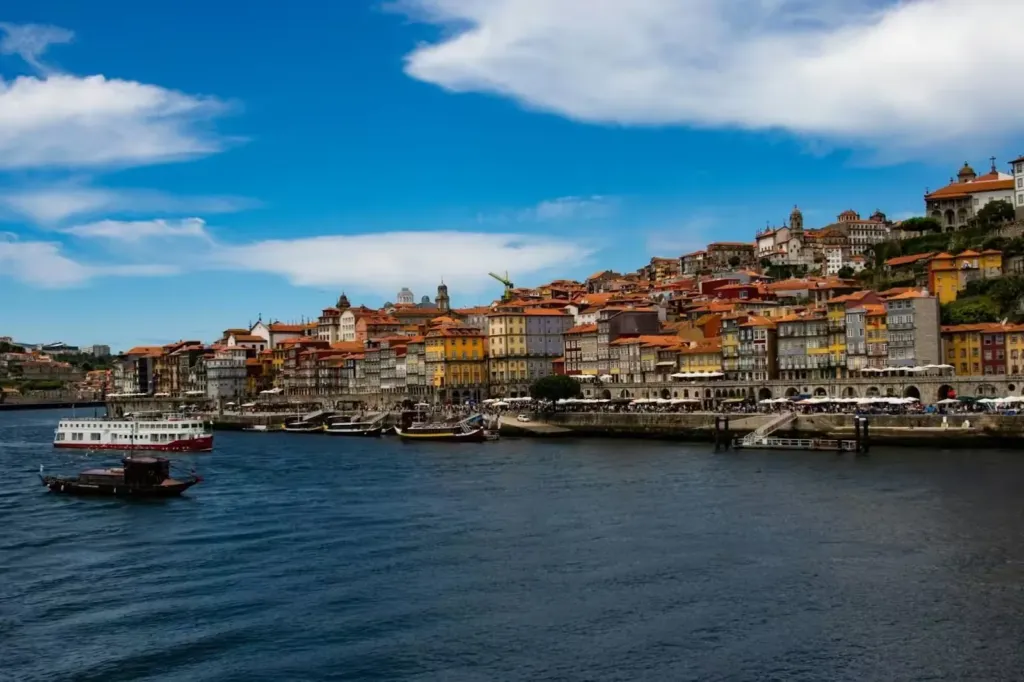
For travelers looking to combine the charm of sea travel with the freedom of overland routes, mixing a ferry crossing with train, car, or bus segments can be a unique and rewarding way to journey from London to Porto. This option provides an opportunity to enjoy stunning coastal views, explore multiple European regions, and travel at a more relaxed pace.
5.1 Ferry Routes from the UK to Mainland Europe
Two primary ferry routes connect the UK with mainland Europe and are well-suited for onward travel to Porto:
- Dover to Calais – The most popular and fastest route, with a crossing time of around 90 minutes and frequent daily departures. Offers great flexibility for both foot passengers and vehicles.
- Newhaven to Dieppe – A slower, 4-hour crossing with fewer sailings per day, perfect for those looking for a more leisurely sea experience.
Major Ferry Operators:
- P&O Ferries – Dover to Calais
- DFDS Seaways – Newhaven to Dieppe
5.2 Multi-Modal Travel Options After the Ferry
Once you’ve crossed into France, you can continue your journey to Porto using a variety of land transport options:
- By Train – Travel from Calais or Dieppe by rail, with connections through France and Spain, ending in Porto.
- By Car – Pick up a rental car and enjoy a scenic road trip across France, Spain, and into Portugal.
- By Bus/Coach – Use nearby coach services to continue overland to Porto, often with stops in major European cities.
This flexible combination of transport modes allows for customized travel plans and the chance to explore hidden gems along the way.
5.3 Booking Tips & Estimated Costs
- Book early, especially during summer and holiday periods, to secure lower fares and preferred sailing times.
- If you’re traveling by car, ensure you select the appropriate vehicle type when booking ferry tickets.
- Look for combined travel packages via multi-modal travel websites or agencies.
- Ferry ticket prices typically range from £30 to £100 for foot passengers. Vehicle fares are higher depending on size and time of booking.
- Be sure to budget for additional costs such as train tickets, car hire, fuel, tolls, or coach fares for the rest of your journey.
5.4 Pros and Cons of Combining Ferry Travel with Land Transport
Pros:
- A scenic and peaceful sea journey, ideal for breaking up long overland travel
- Greater travel flexibility with multiple modes of transport
- Opportunity to explore cities and regions en route to Porto
Cons:
- Longer total travel time compared to direct flights
- Ferry crossings can be affected by weather, causing possible delays
- Requires more planning and coordination with multiple bookings
6. Tips for Booking and Traveling from London to Porto
Planning your trip from London to Porto becomes much easier with a bit of preparation. Whether you’re flying, traveling by train, driving, or combining transport modes, these tips will help you save money, reduce stress, and make the most of your European adventure.
6.1 Booking Flights and Tickets
- Book Early – Airfare and train prices are generally lower when booked in advance—ideally several weeks or even months ahead.
- Use Incognito/Private Mode – Searching in a private browser window may help avoid price increases based on search history.
- Be Flexible with Travel Dates – Mid-week flights or trains are often cheaper than weekends. Early morning or late-night departures also tend to be more affordable.
- Compare Platforms – Always check multiple sources like airline websites, travel aggregators (e.g., Skyscanner, Omio), and budget carriers for the best deals.
- Watch Baggage Policies – Low-cost airlines often charge extra for luggage, so be sure to include those costs when comparing ticket prices.
6.2 Packing and Preparation
- Check Entry Requirements – Verify current visa or ID rules, especially post-Brexit when traveling between the UK and EU countries.
- Pack Light – If you’re using public transport or flying with budget airlines, packing efficiently can help avoid baggage fees and hassle.
- Prepare for Transfers – Bring snacks, water, chargers, and entertainment to make long journeys or wait times more comfortable.
- Travel Insurance – Consider getting coverage for delays, cancellations, health emergencies, and lost baggage.
6.3 Navigating Airports and Train Stations
- Arrive Early – For major airports like Heathrow or Gatwick, aim to arrive 2–3 hours before departure.
- Use Fast Transfers in London – The Heathrow Express, Gatwick Express, and London Underground are efficient ways to reach your departure terminal.
- Plan Your Porto Arrival – Francisco Sá Carneiro Airport (Porto) is connected by Metro Line E, taxis, and Uber—plan ahead for a smooth transition.
- Keep Documents Handy – Have your passport, tickets, and boarding passes easily accessible for quick check-ins and border control.
6.4 Money and Communication
- Currency in Portugal – Portugal uses the Euro (€). Carry a small amount of cash, but credit and debit cards are widely accepted.
- Mobile Access – Use a European SIM card, eSIM, or international roaming plan to stay connected during your travels.
- Useful Travel Apps – Download apps like Google Maps, Citymapper, airline or rail operator apps, and Google Translate to simplify navigation and communication.
6.5 Getting Around Porto
- Public Transport – Porto has an excellent metro, tram, and bus system. For train access, see the [Porto Train Station Guide].
- Taxis & Ride-Sharing – Taxis are widely available, but for ease and transparency, apps like Uber or Bolt are recommended.
- Explore on Foot – Many of Porto’s top attractions are within walking distance of the city center, so pack comfortable shoes and enjoy the scenic streets.
Things to Do in Porto
Porto, the second-largest city in Portugal, is a dynamic and captivating destination rich in history, culture, and unforgettable experiences. Whether you’re visiting for the first time or returning to uncover more, Porto delights with its picturesque riverside scenery, authentic Portuguese cuisine, and a calendar full of vibrant cultural events waiting to be explored.
1. Chef-Led Market Tour & Portuguese Tapas Class with CantoCooking

For an unforgettable culinary adventure in Porto, immerse yourself in the Chef-Led Market Tour and Tapas Class with Wine hosted by CantoCooking.
- Begin your journey with a guided stroll through the iconic Mercado do Bolhão, where you’ll handpick the freshest local ingredients alongside your chef.
- Pause for a barista-crafted coffee and a warm pastel de nata at the elegant Maison Canto de Luz kitchen, setting the tone for what’s to come.
- Roll up your sleeves in a hands-on cooking class, where you’ll learn to create authentic Portuguese tapas such as flame-grilled chouriço and salt cod pancakes (pastéis de bacalhau).
- Sit down to enjoy your freshly made dishes, perfectly paired with a crisp Douro Valley wine.
- As a farewell gift, you’ll receive a recipe kit and a travel-sized bottle of Portuguese aguardente to continue the flavors at home.
This thoughtfully curated experience is a delightful blend of gastronomy, culture, and hands-on learning—perfect for those eager to discover Porto through its rich culinary heritage.
2. Dom Luís I Bridge
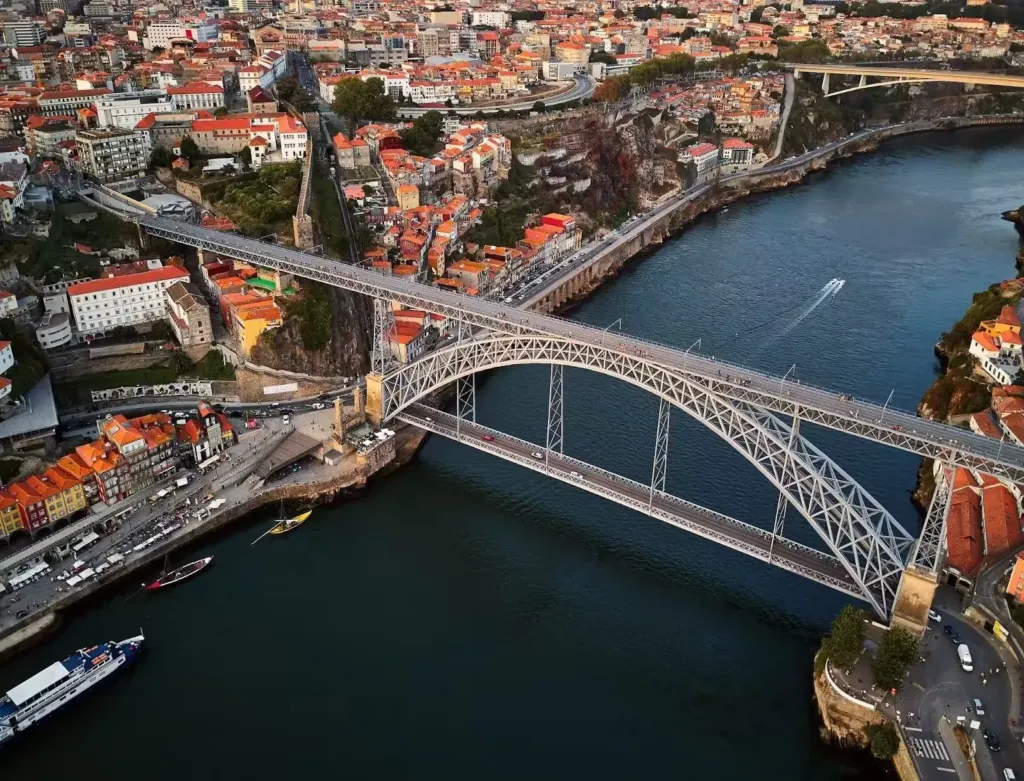
A true symbol of Porto, the Dom Luís I Bridge is a breathtaking double-deck iron structure that spans the Douro River, connecting the city with Vila Nova de Gaia. Its striking design and historic significance make it one of Porto’s most photographed landmarks.
- Stroll along the upper deck for sweeping panoramic views of the river, city skyline, and terracotta rooftops.
- Watch the sunset over the picturesque Ribeira district, a magical moment for photographers and romantics alike.
- Hop on the cable car on the Gaia side for a unique aerial view of Porto’s old town and famous port wine cellars.
- Wander through Ribeira, known for its vibrant atmosphere, riverside cafés, colorful facades, and charming streets.
Whether you’re a first-time visitor, history lover, or photography enthusiast, the Dom Luís I Bridge is a must-visit highlight of any trip to Porto.
3. Explore the Ribeira District
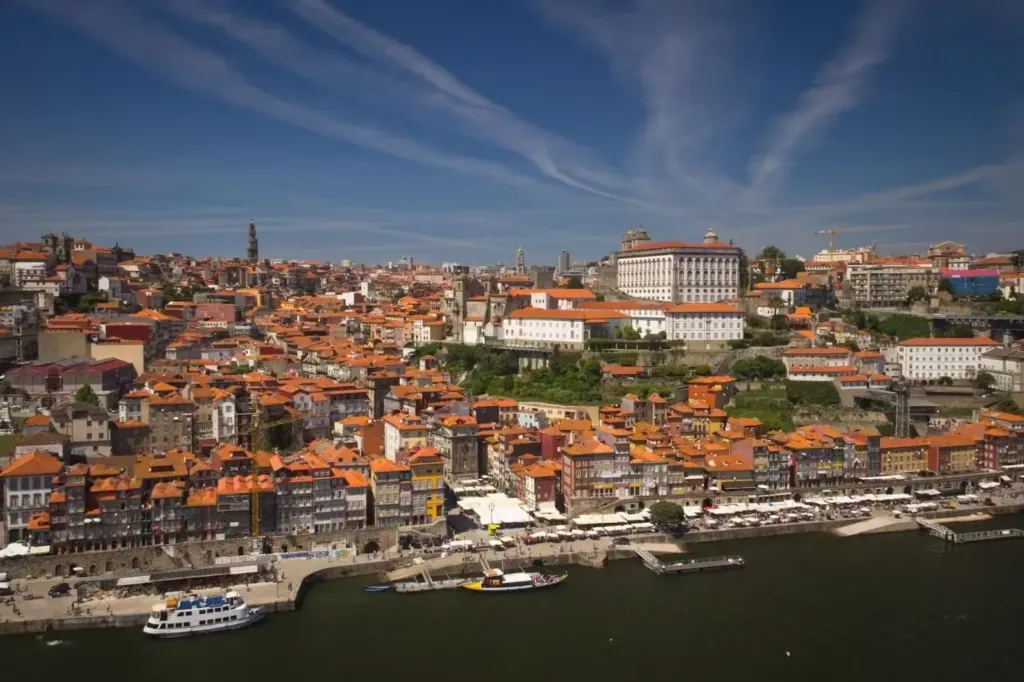
The Ribeira district, Porto’s iconic historic waterfront, is a lively and picturesque area brimming with old-world charm and local flavor.
- Stroll through cobbled streets lined with colorful, centuries-old buildings and inviting riverside cafés.
- Dine on fresh seafood at traditional eateries while enjoying views of boats drifting along the Douro River.
- Browse quaint boutiques and artisan shops offering handcrafted souvenirs and regional goods.
- As the sun sets, soak up the vibrant nightlife, with cozy bars, live fado music, and bustling terraces adding to the energy.
Perfect for leisurely exploration or a romantic evening out, Ribeira captures the soul of Porto. For tips on what to see and do, don’t miss our Complete Guide to Exploring Ribeira, Porto.
4. Visit Livraria Lello

Frequently ranked among the most beautiful bookstores in the world, Livraria Lello is a must-see destination for literature lovers, architecture enthusiasts, and Harry Potter fans alike.
- Step inside to admire the breathtaking Neo-Gothic design, complete with an ornate wooden staircase, intricate carvings, and a vibrant stained-glass skylight.
- Explore a thoughtfully curated selection of books in multiple languages, from local literature to international classics.
- Discover the bookstore’s connection to J.K. Rowling, who is said to have drawn inspiration from its magical atmosphere while living in Porto.
- Due to its popularity, it’s highly recommended to book your entry ticket in advance to avoid long queues.
A visit to Livraria Lello is more than just a stop for book shopping — it’s a step into a storybook world.
5. Six Bridges Cruise on the Douro River
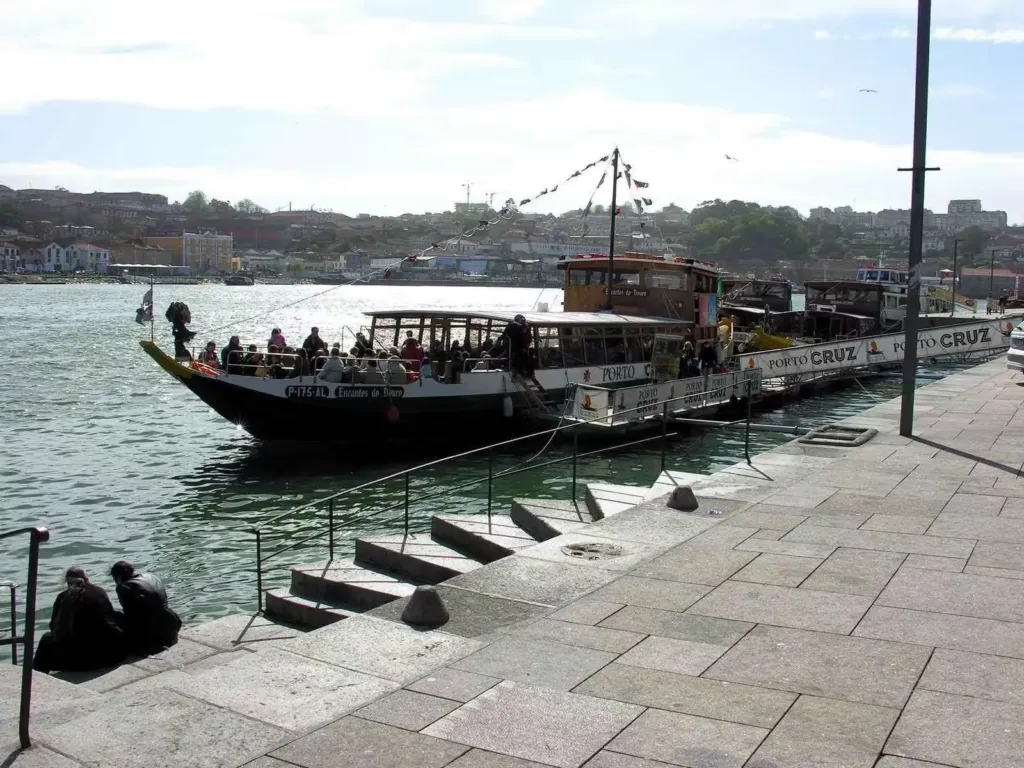
For a truly memorable and traditional experience in Porto, hop aboard a Douro River cruise on a classic Rabelo boat—once used to transport port wine barrels. This scenic journey offers a unique vantage point to admire the city’s famous six bridges that link Porto and Vila Nova de Gaia.
- Sail beneath all six iconic bridges, each with its own unique design and story.
- Learn about the history and architecture of the bridges and Porto’s waterfront landmarks as you cruise.
- Enjoy panoramic views of the UNESCO-listed historic centre, the vibrant Ribeira district, and the renowned wine cellars of Gaia—all from the water.
Perfect for couples, families, or solo explorers seeking a relaxing and scenic way to take in Porto’s charm.
- Duration: Varies by operator (multiple options available)
- Price: From £15.13
- Languages: Multilingual guides available
- Book your cruise here: Six Bridges Douro Cruise
Best Place to Stay in Porto: Canto de Luz Boutique Hotel

For those seeking a unique and memorable stay in Porto, Canto de Luz Boutique Hotel is a true hidden gem. Blending French hospitality with refined architectural elegance, this beautifully restored property offers a luxurious, home-like atmosphere that stands apart from traditional chain hotels.
Lovingly rebuilt over five years from a historic ruin, Canto de Luz reopened in 2021 and has since become one of Porto’s most acclaimed boutique accommodations. Nestled in the heart of Porto’s Old Town, it’s just steps from the city’s top sights—yet set on a quiet street that provides the perfect urban retreat.
Praised by Lonely Planet, The Telegraph, and Tripadvisor, Canto de Luz combines thoughtful design, personal service, and tranquil surroundings to deliver an exceptional stay in one of Portugal’s most vibrant cities.
At Canto de Luz, guests can choose from a beautifully curated selection of suites, apartments, and private villas, each designed to blend comfort with contemporary style:
- Maison Suites – With either city views or garden-facing balconies
- Studio Apartments – Featuring kitchenettes and private patios for independent stays
- Duplex Garden Villas – One-bedroom luxury retreats with private outdoor seating
- Villa Almada – An exclusive two-bedroom villa with a private garden and swimming pool
- Urban Retreat Apartment – A spacious family-friendly option with two bedrooms and a private terrace
Thoughtful, High-End Amenities
All accommodations are equipped with modern comforts, including:
- Samsung Art TVs with Netflix and Disney+
- Amazon Echo smart assistants
- Nespresso machines
- Air conditioning
- Premium Rituals® bath products
Tranquil Outdoor Pool
Guests can relax and recharge in the brand-new heated saltwater pool, tucked away in the hotel’s peaceful garden—a rare luxury in the heart of Porto.
Legendary Breakfast Experience
Begin each morning with Canto de Luz’s homemade organic breakfast, crafted daily using fresh ingredients from the nearby Mercado do Bolhão. Served in the bright Orangerie or on the garden terrace, it’s a guest favorite and a true highlight of the stay.
Personalized Hospitality & Local Insights
Run by passionate local hosts, the team at Canto de Luz offers warm, tailored service—from insider recommendations and restaurant bookings to curated experiences that showcase the best of Porto.
For those seeking a blend of boutique luxury, local charm, and peaceful surroundings, Canto de Luz Boutique Hotel is an exceptional choice in the heart of Porto.
Plan your Porto escape and book directly at the source: Canto de Luz Boutique Hotel Porto