At A Glance
A Douro Valley wine tour works best over three days from Porto: train to Peso da Régua, a night near Pinhão for the quintas, and a boat back down the river.
- The Douro is the world’s first formally demarcated wine region, defined by royal charter on 10 September 1756.
- Peso da Régua is about two hours from Porto by train; Pinhão about two and a half.
- Cima Corgo, centred on Pinhão, is the largest sub-region at 19,000 hectares of vineyard.
- Harvest runs through September, which is the busiest and best month to go.
- The Alto Douro was made a UNESCO World Heritage Site in 2001.
A Douro Valley wine tour is the reason a lot of people come to northern Portugal in the first place, and it is almost always done badly: eight hours in a minibus, two rushed tastings, back in Porto after dark. Three days is the difference between seeing the valley and actually being in it. This is how to plan that trip, using the routes out of Porto rather than a coach seat.
The wine region proper begins around 100km east of the city, sheltered from the Atlantic by the Marão and Montemuro mountains, which is why it has a continental climate of hot dry summers and cold winters while Porto sits mild and wet on the coast. If you want the fuller list of what there is to do once you are there, our guide to things to do in the Douro Valley covers the ground; this piece is about sequencing three days properly.
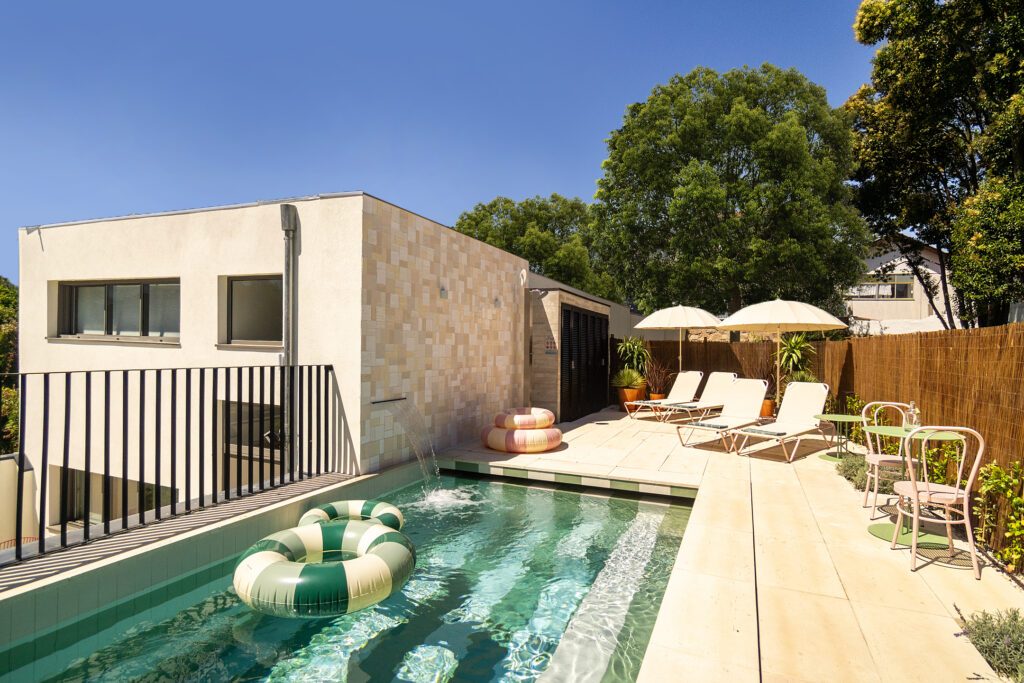
Basing yourself in Porto? Canto de Luz is a ten-minute walk from São Bento station, where the Douro line starts. Heated pool, homemade breakfast, from €99 a night.
Check Availability →Douro Valley Wine Tour Options: Guided, Self-Drive or Train
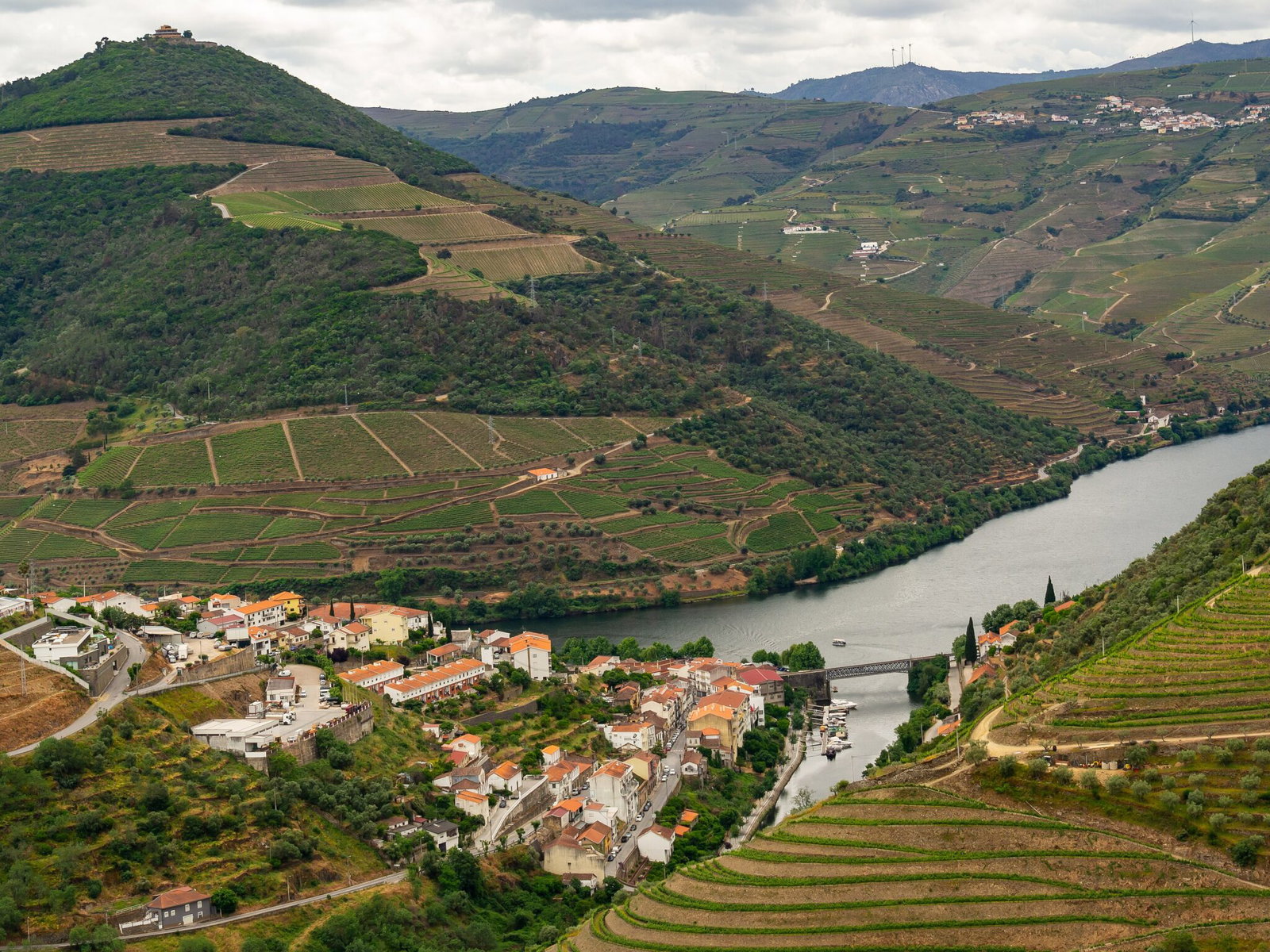
There are three honest ways to do this and they suit different people. A guided Douro Valley wine tour handles the driving and the bookings, which matters because tasting and driving do not mix on roads like these. Self-drive gives you the miradouros and the small quintas that tours skip. The train is the slowest, the cheapest and by some distance the most beautiful.
| Option | Best for | Watch out for |
|---|---|---|
| Guided tour | One day, no planning, no driving | Fixed itinerary, often three quintas at speed |
| Self-drive | Reaching Douro Superior and small quintas | Steep single-track roads, and someone must stay sober |
| Train | The scenery, and drinking freely | Last stretch to some quintas needs a taxi |
| River cruise | Seeing the terraces from the water | Slow; usually one-way with a coach or train back |
For three days the combination that works is train out, taxi or a booked quinta transfer while you are there, and a boat for at least one leg. That way nobody is driving, and you see the valley from the road, the rails and the river, which are three genuinely different views of the same hillsides.
How to Get from Porto to the Douro Valley
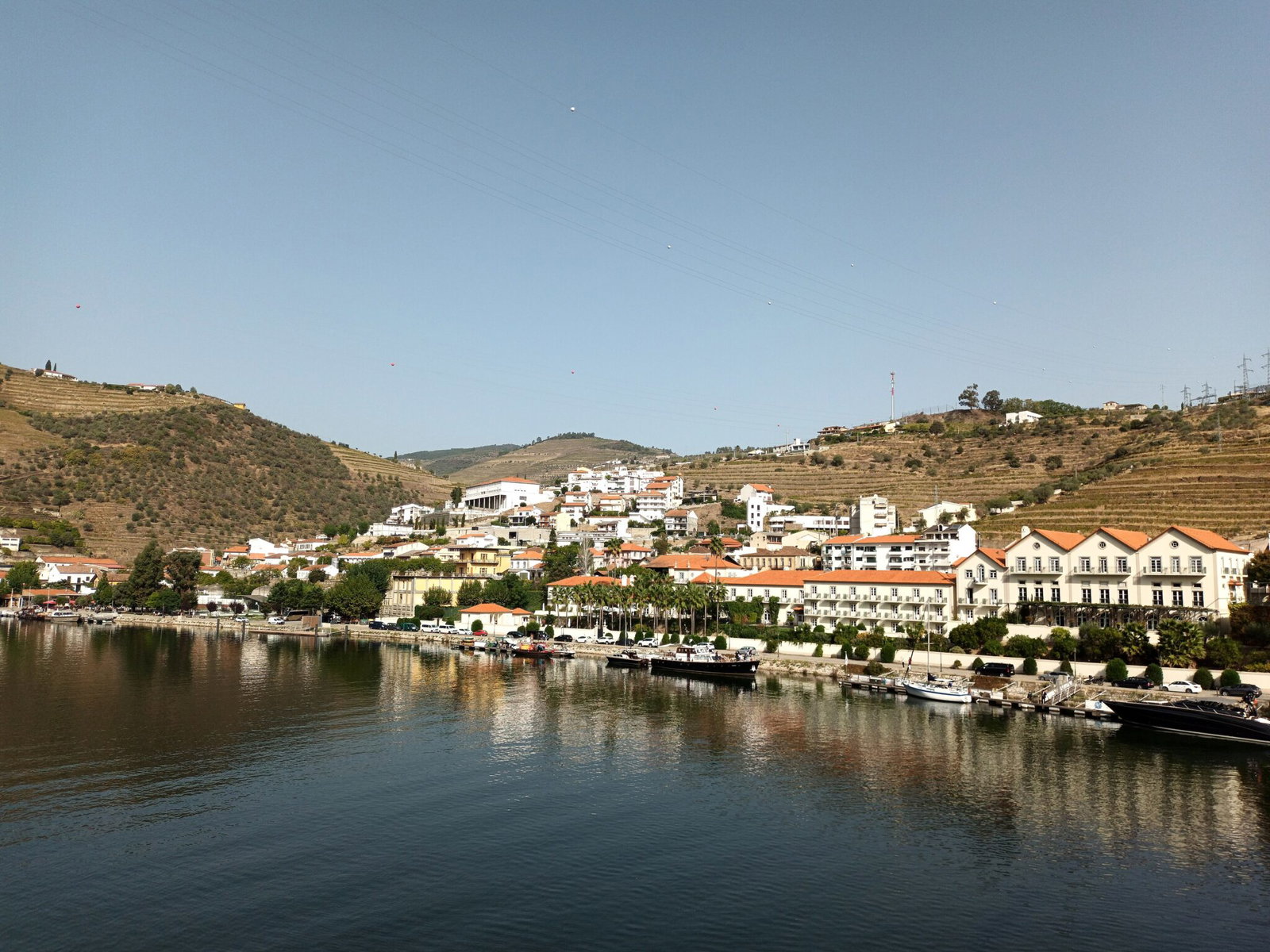
The Linha do Douro leaves from Porto São Bento and Campanhã. For the first hour it is ordinary enough. Then at Régua the line meets the river and stays with it, cut into the rock a few metres above the water, and the last stretch into Pinhão is the part people photograph from the windows.
| Destination | By train | By car | Sub-region |
|---|---|---|---|
| Peso da Régua | About 2 hours | About 1h45 | Baixo Corgo |
| Pinhão | About 2h25 | About 2 hours | Cima Corgo |
| Tua | About 3 hours | About 2h20 | Cima Corgo |
| Pocinho (end of line) | About 3h30 | About 2h45 | Douro Superior |
Sit on the right-hand side going out of Porto for the river views. Book the day before in summer, because the Douro line is not a big-capacity railway and September fills it. Full detail on fares and connections is in our Porto to Douro Valley routes guide.
Day 1: Porto to Peso da Régua and the Baixo Corgo
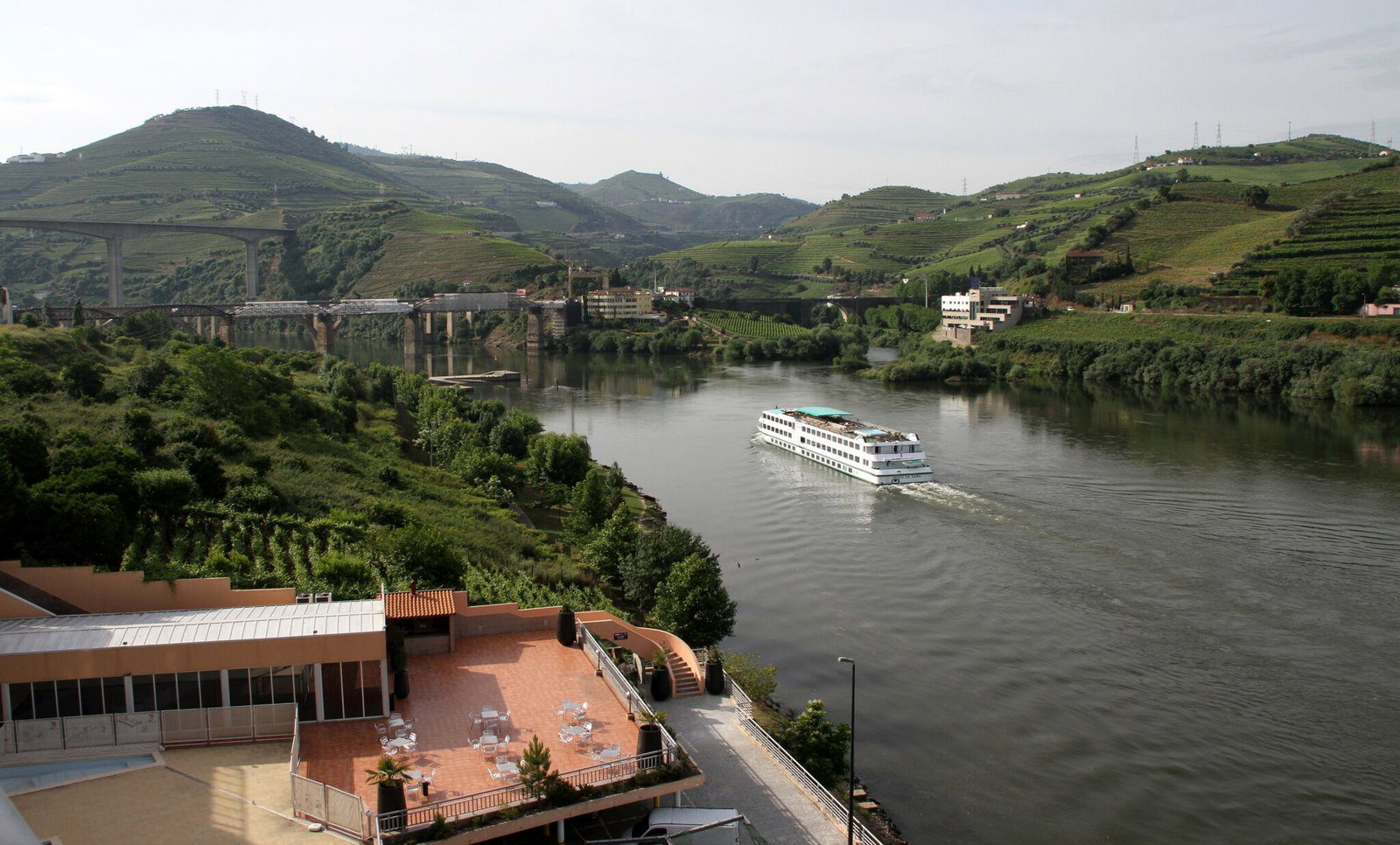
Take a mid-morning train rather than the first one. Régua is the working capital of the wine trade and the gateway to the Baixo Corgo, the westernmost of the three sub-regions, with 14,000 hectares of vineyard and the mildest, wettest climate of the three. It is where the region was first planted.
Spend the afternoon at the Museu do Douro on the quay for the context, then a first tasting somewhere within walking distance rather than driving anywhere. The point of day one is to arrive, get your bearings and understand what you are looking at before you start comparing quintas.
What To Do On Day One
- Museu do Douro on the Régua waterfront for the history of the demarcation
- A riverside tasting within walking distance of the station
- Miradouro de São Leonardo de Galafura for sunset if you have a car or a taxi
- An early night, because day two starts properly
Day 2: Pinhão, Quintas and Douro Valley Wine Tasting
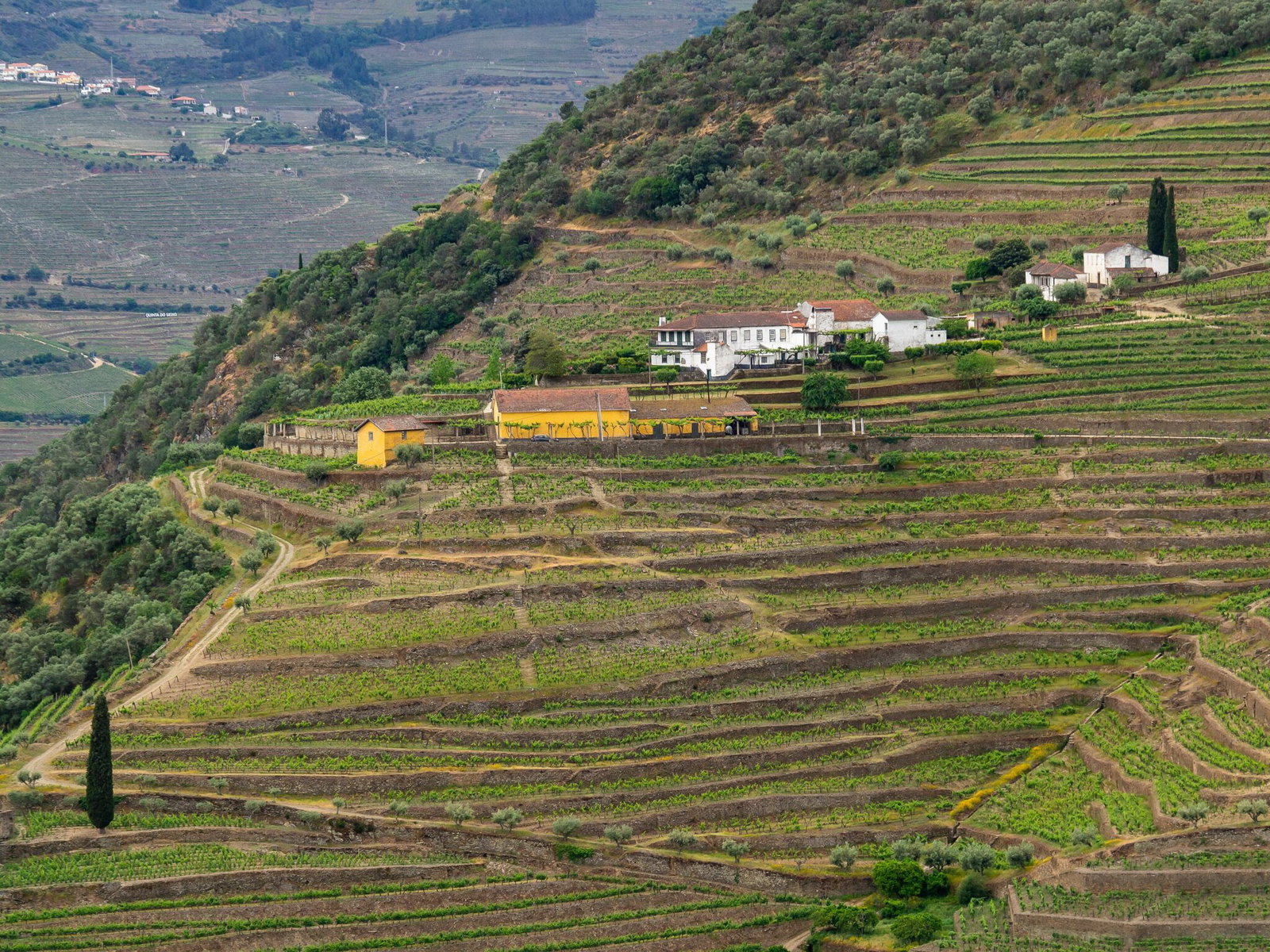
Pinhão is the centre of Cima Corgo, the largest sub-region at 19,000 hectares and the source of most of the best Port. The village itself is small. The railway station is the famous bit, its walls covered in blue azulejo panels showing the harvest, and it takes about four minutes to see.
What you are here for is the quintas on the slopes above. Two in a day is right; three is a rush and by the third you have stopped tasting properly. Book both in advance, because the good ones cap visitor numbers and September fills weeks out. Ask when you book whether they can collect you, since most are up switchback tracks that no taxi enjoys.
1. What a Quinta Visit Actually Involves
A standard visit runs about ninety minutes: a walk through the vineyard, the lagares and the cellar, then a seated tasting of three to five wines. Most Douro quintas now pour both Port and unfortified Douro reds, because the region produces as much table wine as fortified.
The better visits let you taste across styles rather than up a price ladder, so you understand what tawny does that ruby does not. If you have any interest at all in the winemaking, say so when you book; several estates run a longer technical visit that is not advertised.
2. Timing Your Douro Valley Wine Tasting
Book the first slot of the morning and the mid-afternoon slot, and eat properly in between. Tasting on an empty stomach at 30°C on a terrace is how people write off day three. Most quintas can arrange lunch if you ask when booking, and eating at the estate you have just walked around is a better lunch than anything in the village.
Your Porto base for the Douro
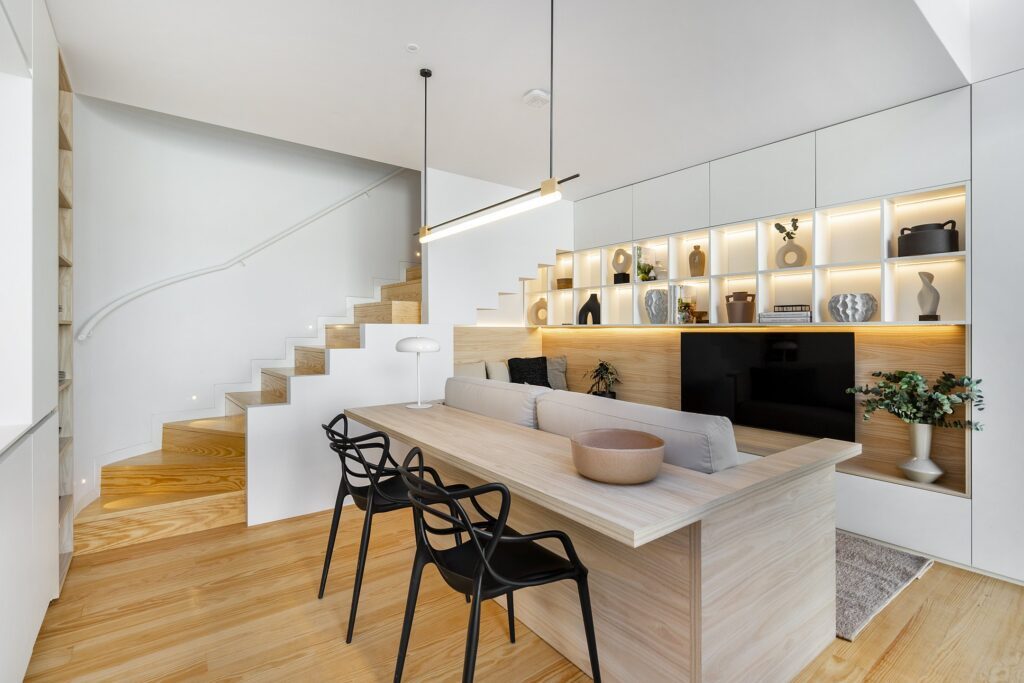
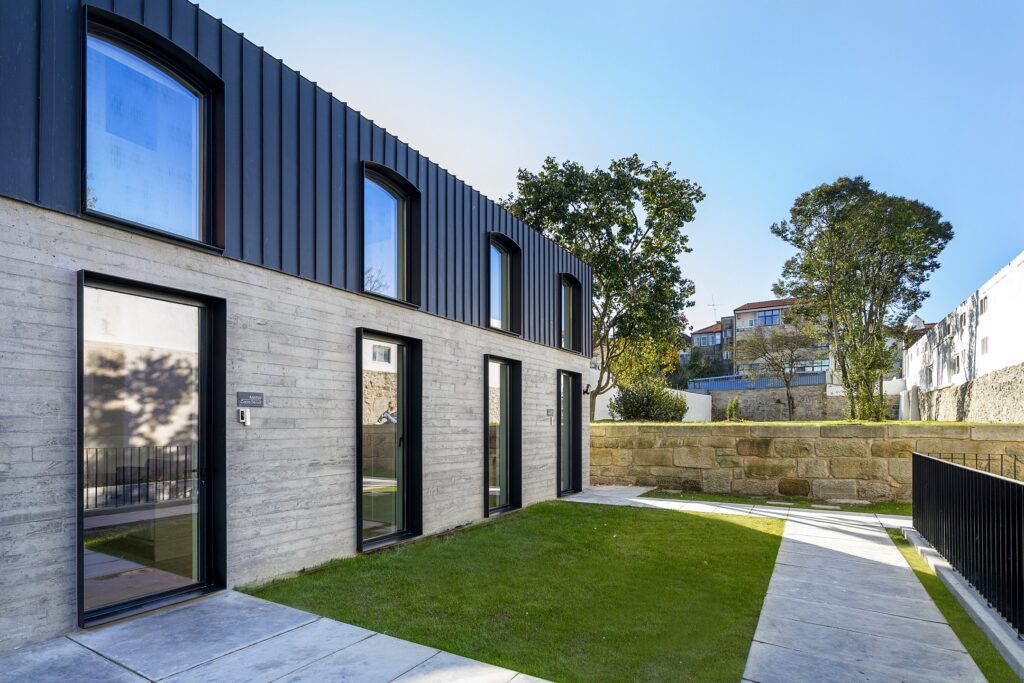
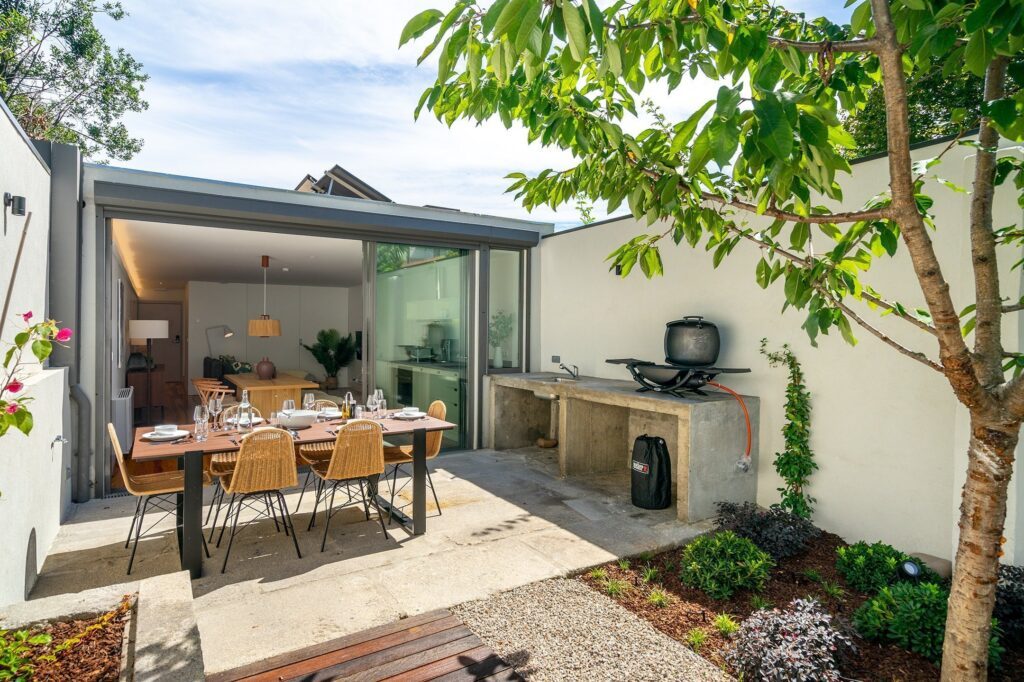
Canto de Luz is a restored boutique maison in Porto’s old town, ten minutes on foot from São Bento and the Douro line. Heated outdoor pool open year round, homemade breakfast, seven suite types. From €99 a night.

A Note from Susan
"I always tell guests to do the train at least one way. The road is fine but the railway hugs the river for the last hour and it is genuinely one of the great train rides in Europe. And book your quintas before you come, not when you get there. The good ones are small and they do fill up, especially in September."
— Susan, Founder of Espais Roca
Day 3: A Douro Valley River Cruise Back Towards Porto
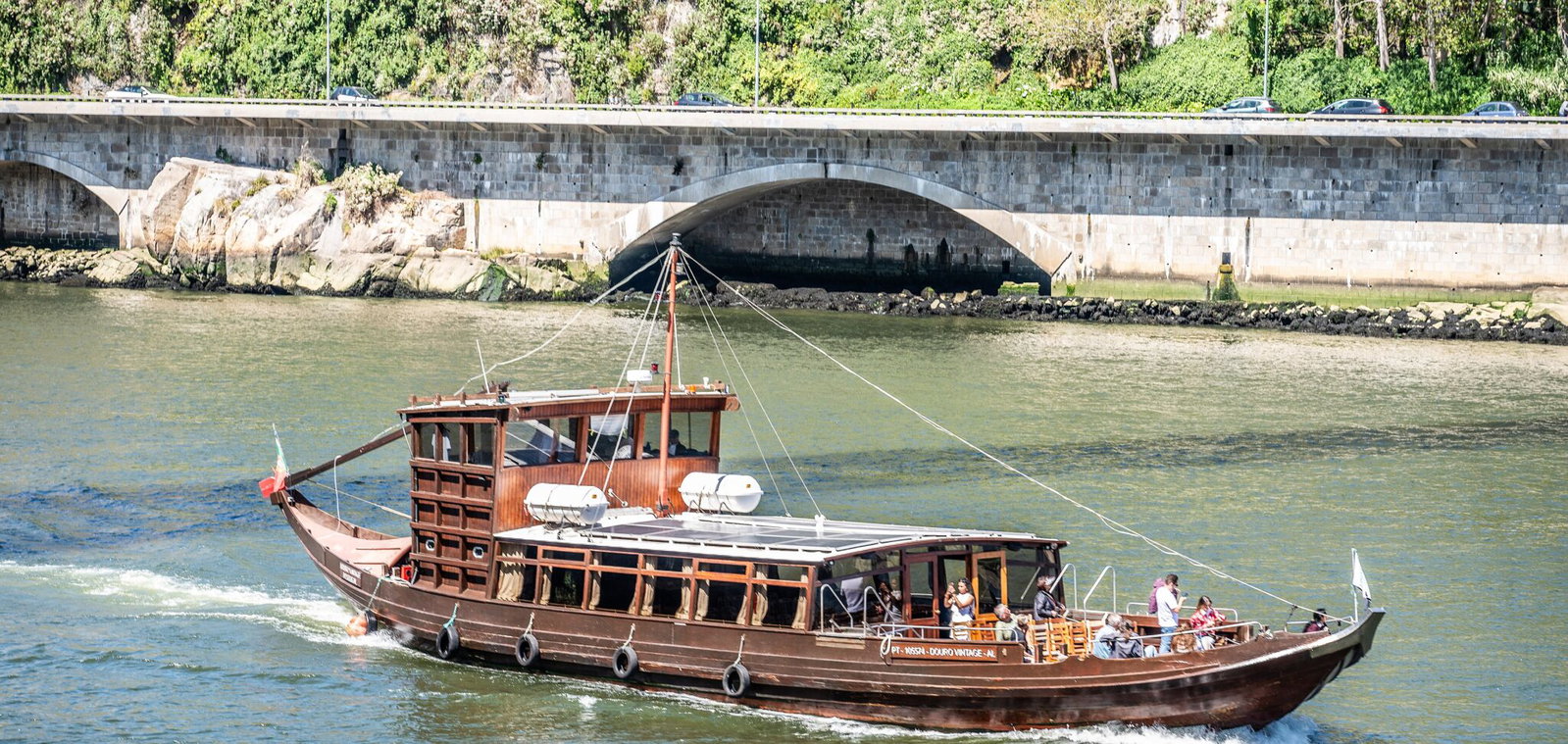
The third day is the one people cut, and it is the one that makes the trip. Seeing the terraces from the water changes the scale of them: from the road you look across at a hillside, from the river you look up at it, and the sheer labour of building those walls becomes obvious.
Most Douro Valley river cruise operators run one-way sailings with a train or coach return, which is exactly what you want on the last day. Some run the full stretch back to Porto and take most of the day. Check before you book whether lunch is included and whether the return leg is the train, because the train return is the better version.
Best Time for a Douro Valley Wine Tour
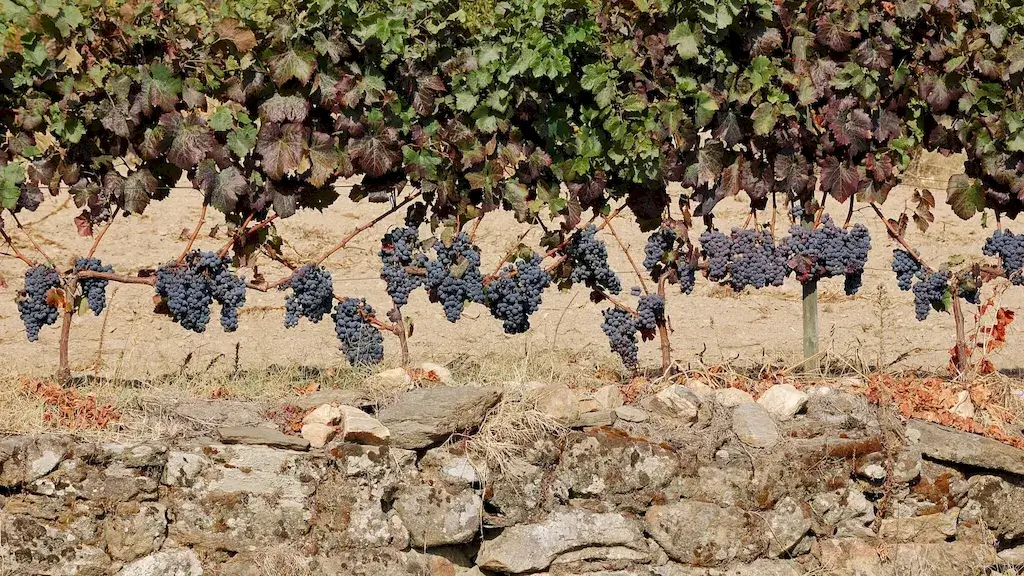
September, if you want the harvest. Picking runs through the month, done by hand because the terraces are too steep for machinery, and some estates still tread by foot in granite lagares and let guests join. It is also the busiest month and the most expensive, and quintas book out furthest ahead.
Late spring is the quieter alternative: full green terraces, long light, open quintas, no harvest crowds. Avoid November to March unless you specifically want the valley bare, when many smaller quintas cut their hours or close to visitors. Porto’s own weather is a separate question, covered in our Porto weather and best time to visit guide.
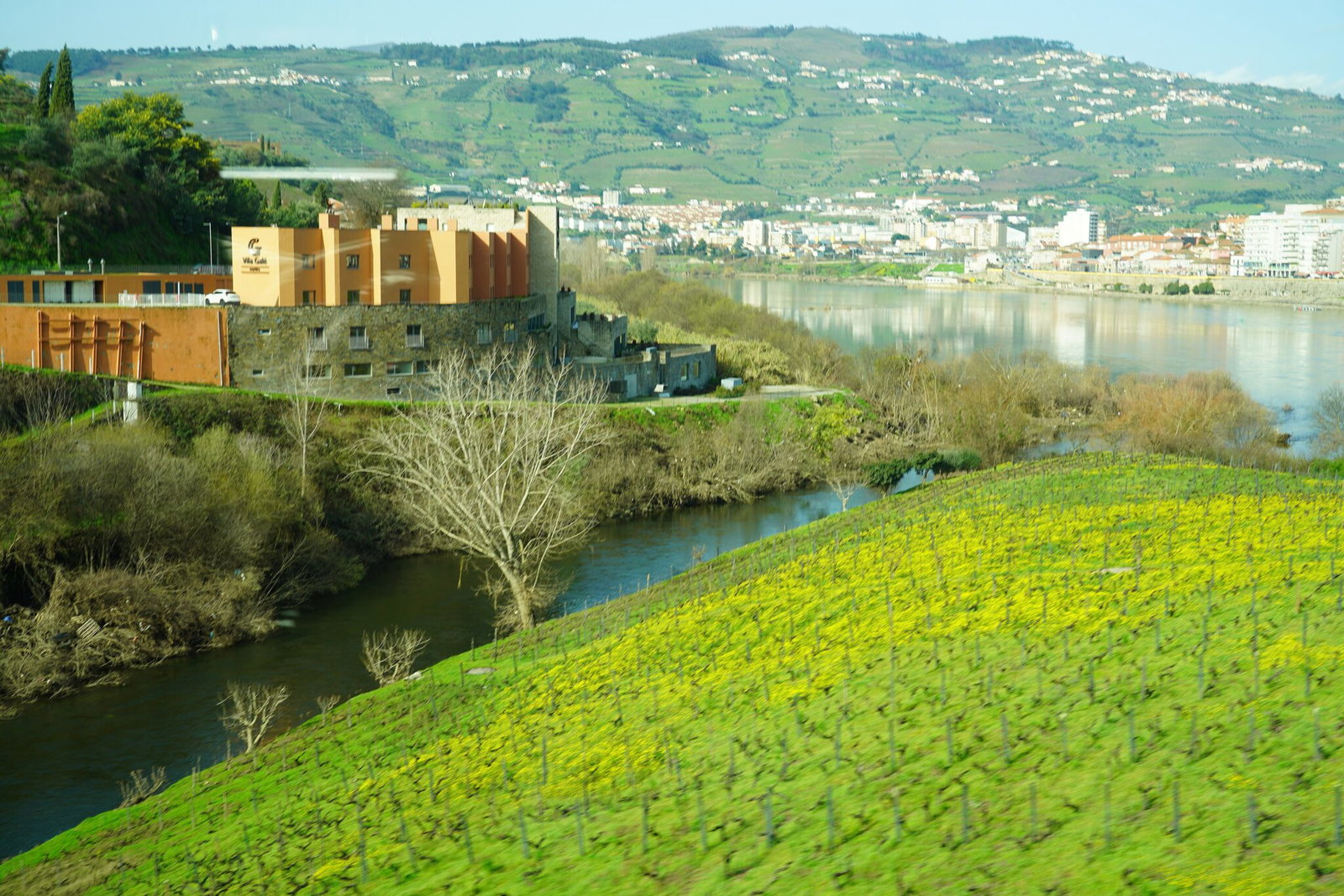
The Three Douro Valley Sub-Regions, and Which to Visit
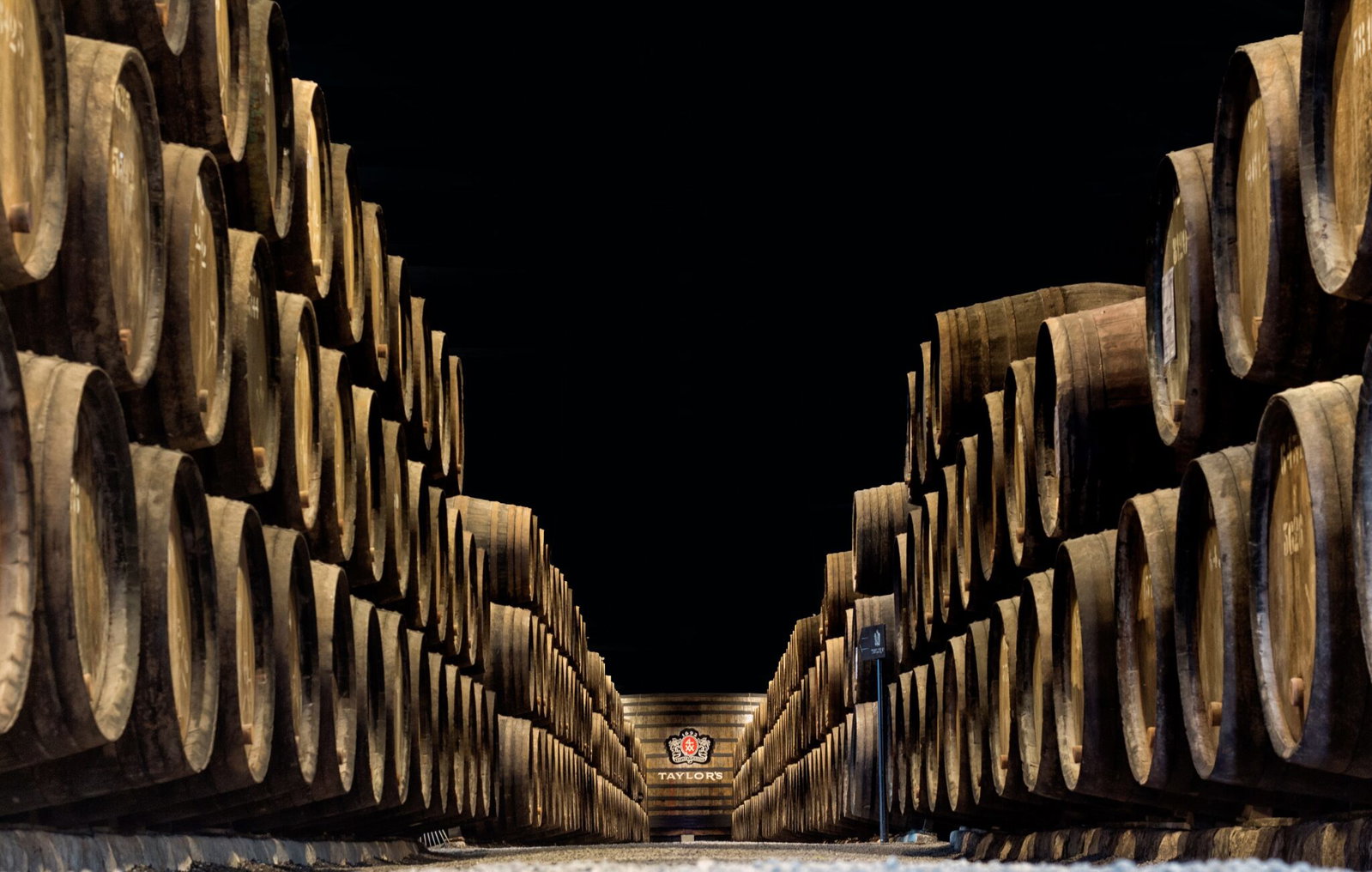
The valley is not one place. It is divided into three sub-regions running west to east, and they are genuinely different in climate, in style and in how many other visitors you will meet. Knowing which one you are in explains most of what is in your glass.
3. Baixo Corgo, the Greenest and Wettest
The westernmost sub-region, centred on Peso da Régua, with 14,000 hectares of vineyard. It has the mildest climate and the most rainfall of the three, and it was planted first. It is the easiest to reach and the greenest to look at.
Conventionally it is held to produce lighter wines than the two sub-regions upstream, which is why a lot of tours pass through it rather than stopping. For a first day out of Porto it is exactly right: close, gentle and full of context.
4. Cima Corgo, Where the Best Port Comes From
The largest sub-region at 19,000 hectares, centred on Pinhão, and the source of most of the wine you have heard of. Hotter and drier than Baixo Corgo, with the steepest terracing and the highest concentration of quintas that take visitors.
If you only have time to stand in one sub-region, stand in this one. It is where the classic Douro photograph comes from, and where two well-chosen quinta visits will teach you more than five scattered across the valley.
5. Douro Superior, the Empty One
East towards the Spanish border, hotter and drier again, and thinly visited because the roads are long and the train takes three and a half hours to Pocinho. This is where Barca Velha was first made in 1952, from grapes grown at Quinta do Vale de Meão.
Skip it on a three-day trip unless you are driving and have a specific estate in mind. Come back for it on a second visit, when you already know the valley and want the part of it that almost nobody sees.
What a Douro Valley Wine Tour Costs
Prices move and quintas set their own, so treat this as the shape of a budget rather than a quote. The train is the cheapest part of the trip by a wide margin, and the tastings are where the money goes. The single biggest saving available is not taking a packaged day tour at all.
Where The Money Goes On Three Days
- Train fares Porto to Pinhão and back: the smallest line on the bill
- Two quinta visits with tasting: the largest, and worth it
- One night in the valley, plus two in Porto either side
- A river cruise leg on day three
- Taxis or estate transfers up to the quintas, which add up faster than expected
Two things reliably catch people out. Transfers up to the quintas cost more than the distance suggests, because the tracks are slow and drivers price for the return leg. And tasting fees are usually waived or credited if you buy a bottle, which quietly changes the arithmetic of a visit if you were going to buy anyway.

"Lovely place. When you come through the front door, you’ll be happy to see that everything matches the gorgeous photos online. And the service complements the beauty of the place as well. Zuzanna was such a sweet host. She provided us with recommendations and a to do list for our three day stay. We basically did everything she suggested! My favorite of one of her suggestions is Almada 331 for dinner. Fernando is great there. I also got pretty sick during the trip and she brought tea and ibuprofen up to my room. It was the sweetest and an extremely personable thing to do."
— Nailah Anderson, via
Where to Base Yourself for a Douro Valley Trip
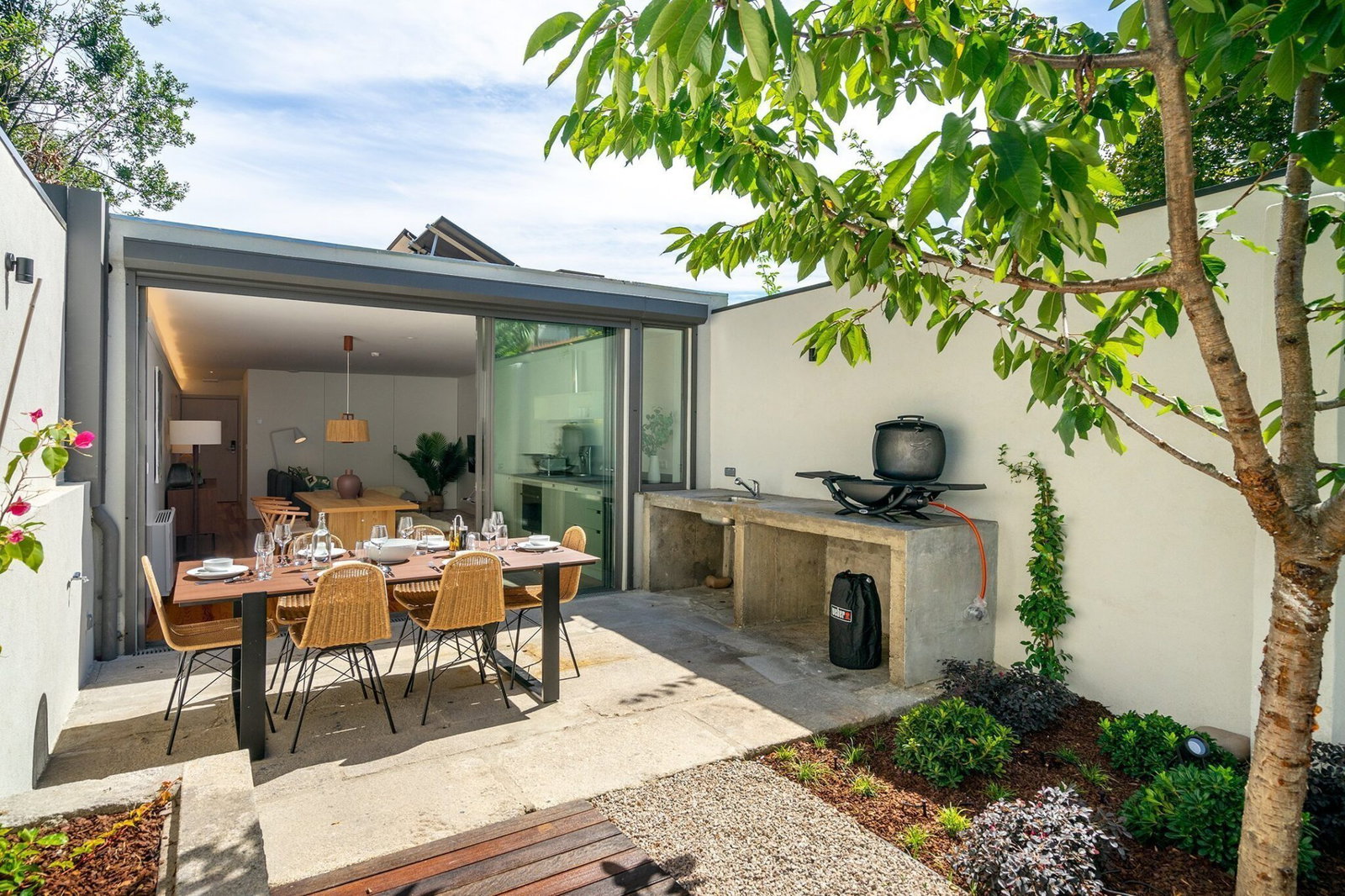
Most people sleep in Porto either side of one night in the valley, and that is the sensible shape. Canto de Luz sits on Rua do Almada in the old town, about ten minutes on foot from São Bento where the Douro line begins, which makes the early train genuinely easy rather than theoretically easy.
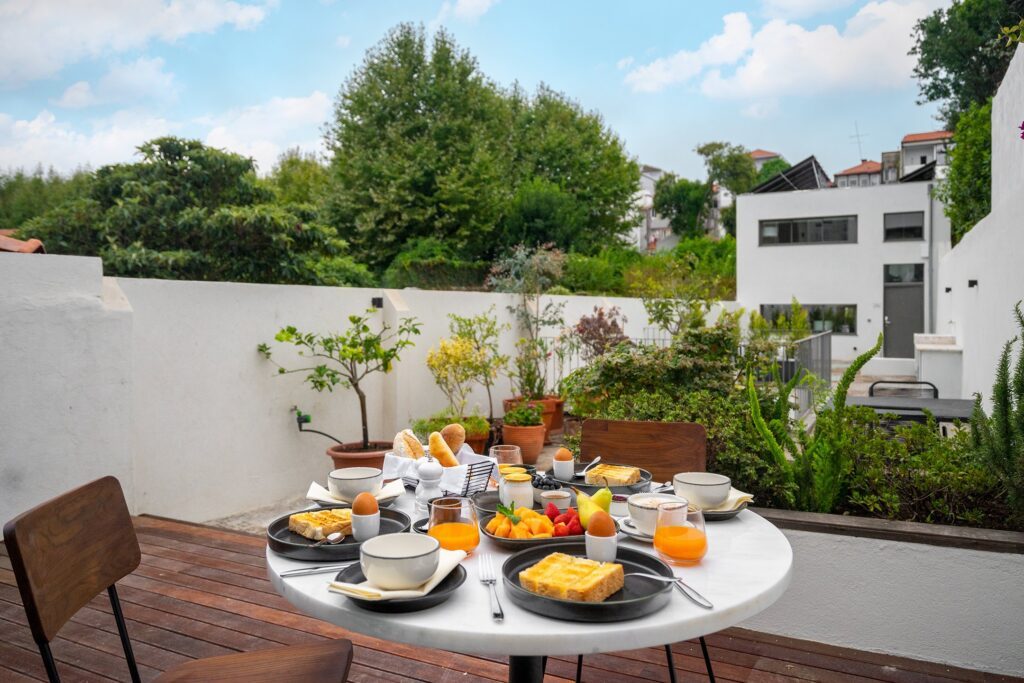
It is a restored boutique maison with seven suite types, a heated outdoor saltwater pool open all year and a homemade breakfast that changes daily, from €99 a night. If you are building the rest of your days around the Douro trip, our two, three and four day Porto itineraries slot around it, and the port lodges across the river are covered in our Porto cellar tours guide.
Frequently Asked Questions
How Far Is the Douro Valley from Porto?
The wine region begins about 100km east of Porto. Peso da Régua is roughly two hours by train and about 1h45 by car; Pinhão is about 2h25 by train. The end of the line at Pocinho, in Douro Superior, takes around 3h30.
Is a Douro Valley Wine Tour Worth It?
Yes, and more so over two or three days than one. A single day means around four hours of travelling for two rushed tastings. Three days lets you see all three sub-regions, taste properly and travel by train and boat rather than sitting in a minibus.
What Is the Best Douro Valley Wine Tour?
For most people it is not a packaged tour at all. Train to Pinhão, two pre-booked quinta visits with tastings, and a river cruise leg on the way back gives you more of the valley than a day tour and nobody has to drive.
What Is the Best Time of Year to Visit the Douro Valley?
September for the harvest, when picking runs through the month and some quintas still foot-tread in granite lagares. Late spring is the quieter alternative with full green terraces. November to March the vines are bare and many smaller quintas reduce their hours.
Can You Do the Douro Valley as a Day Trip from Porto?
You can, and thousands do, but you will spend around four hours travelling to fit in two or three tastings. If a day is all you have, take the train to Pinhão rather than a minibus, and book one quinta properly instead of three at speed.
How Do You Get from Porto to the Douro Valley by Train?
The Linha do Douro runs from Porto São Bento and Campanhã to Régua, Pinhão, Tua and Pocinho. Sit on the right-hand side leaving Porto for the river views, and book ahead in September when the line is busy.
Do You Need to Book Douro Valley Quintas in Advance?
Yes. The estates worth visiting cap visitor numbers, and in September they fill weeks ahead. Book two per day rather than three, and ask whether the quinta can collect you, since most sit up steep tracks above the river.
Is There a Douro Valley River Cruise from Porto?
Yes, and most operators run one-way sailings with a train or coach return, which suits a final day. Some sail the full stretch back to Porto and take most of a day. Check whether lunch is included and whether the return leg is by train.
What Is the Weather Like in the Douro Valley?
Continental rather than coastal. The Marão and Montemuro mountains shelter the valley from the Atlantic, giving hot dry summers and cold winters. It is consistently warmer than Porto in summer and colder in winter, so pack differently from a city break.
Stay at Canto de Luz
A restored boutique maison in Porto’s old town, ten minutes from São Bento and the Douro line. Heated outdoor pool open all year, homemade breakfast included, seven suite types. From €99 a night.
Check AvailabilityHistorical and regional detail from Wikipedia (Douro DOC), fetched 25 August 2026. Photographs via Wikimedia Commons. CC BY 4.0: Acediscovery, Michael Gaylard. CC BY 2.0: bvi4092. CC BY-SA 4.0: Gerd Eichmann, Joana Martins, Ray Swi-hymn. CC BY-SA 2.0: Rosino.