

At A Glance
The best time to visit Porto is late May to early July, or September, when it is warm and dry without August prices or August queues.
- July is the driest month at 20.4mm of rain. December is the wettest at 181mm.
- August is the warmest at 25.7°C average high, and the most crowded.
- October gets more rain (158mm) than April does, which surprises most visitors.
- The Douro grape harvest runs through September, the single best month for wine country.
- São João, the city’s biggest night, falls on 23 to 24 June every year.
Porto weather is milder than most people expect and wetter than almost anyone expects. The city sits on the Atlantic at the top of Portugal, which keeps summers from getting brutal and winters from getting properly cold, and dumps a remarkable amount of rain between October and March. Average highs run from 13.8°C in January to 25.7°C in August. It has never really been a question of hot or cold here. It is a question of wet or dry, and what Porto is like out of season is a genuinely different trip.
Every figure below comes from the Portuguese Institute for Sea and Atmosphere, the national weather service, rather than from an averaging site. If you are timing a trip around the Douro Valley rather than the city, skip to the harvest section, because that answer is a narrow window and it is not the one most guides give.
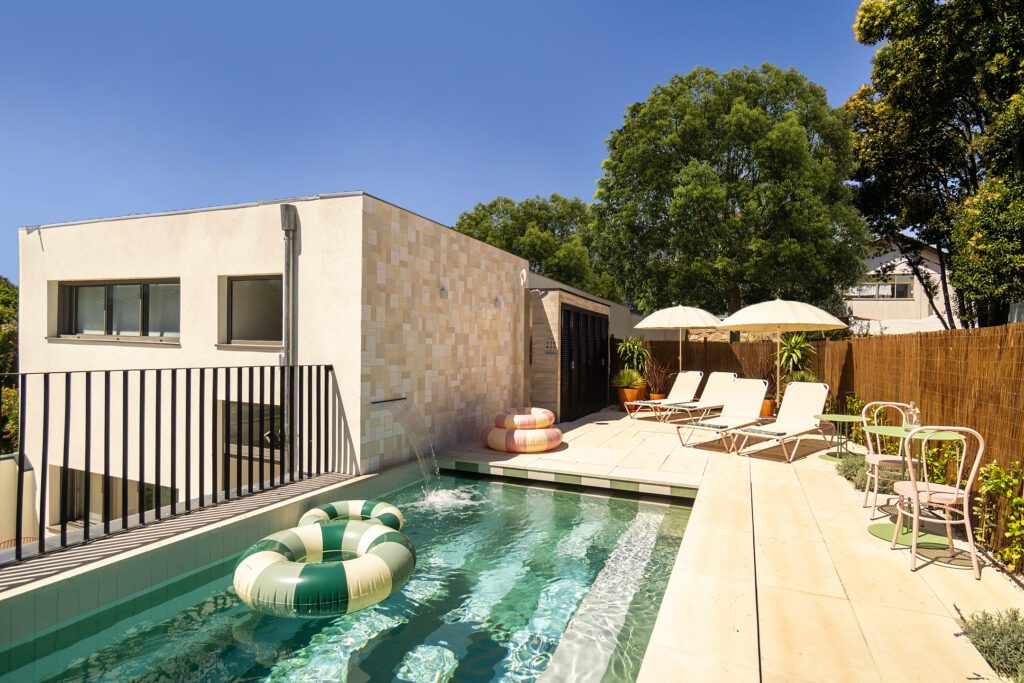
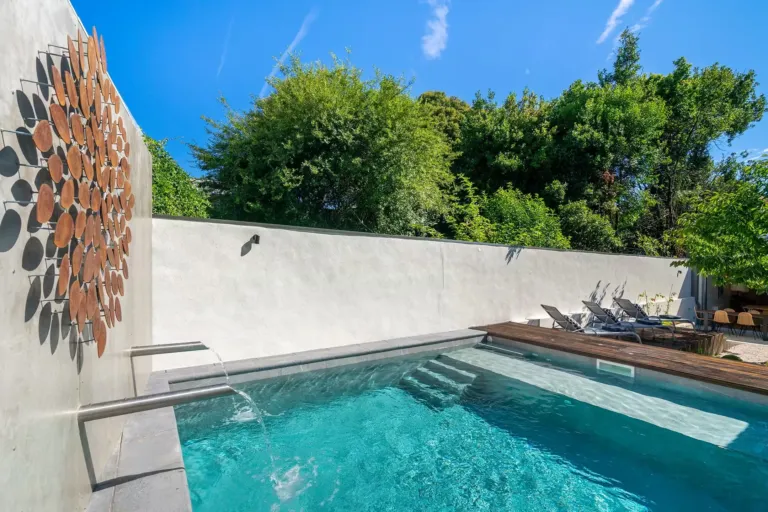
Visiting out of season? Canto de Luz has a heated outdoor pool open all year, 09:30 to 19:30, and breakfast made fresh each morning. Porto’s old town, from €99 a night.
Check Availability →Porto Weather by Month: Temperature, Rainfall and Sunshine
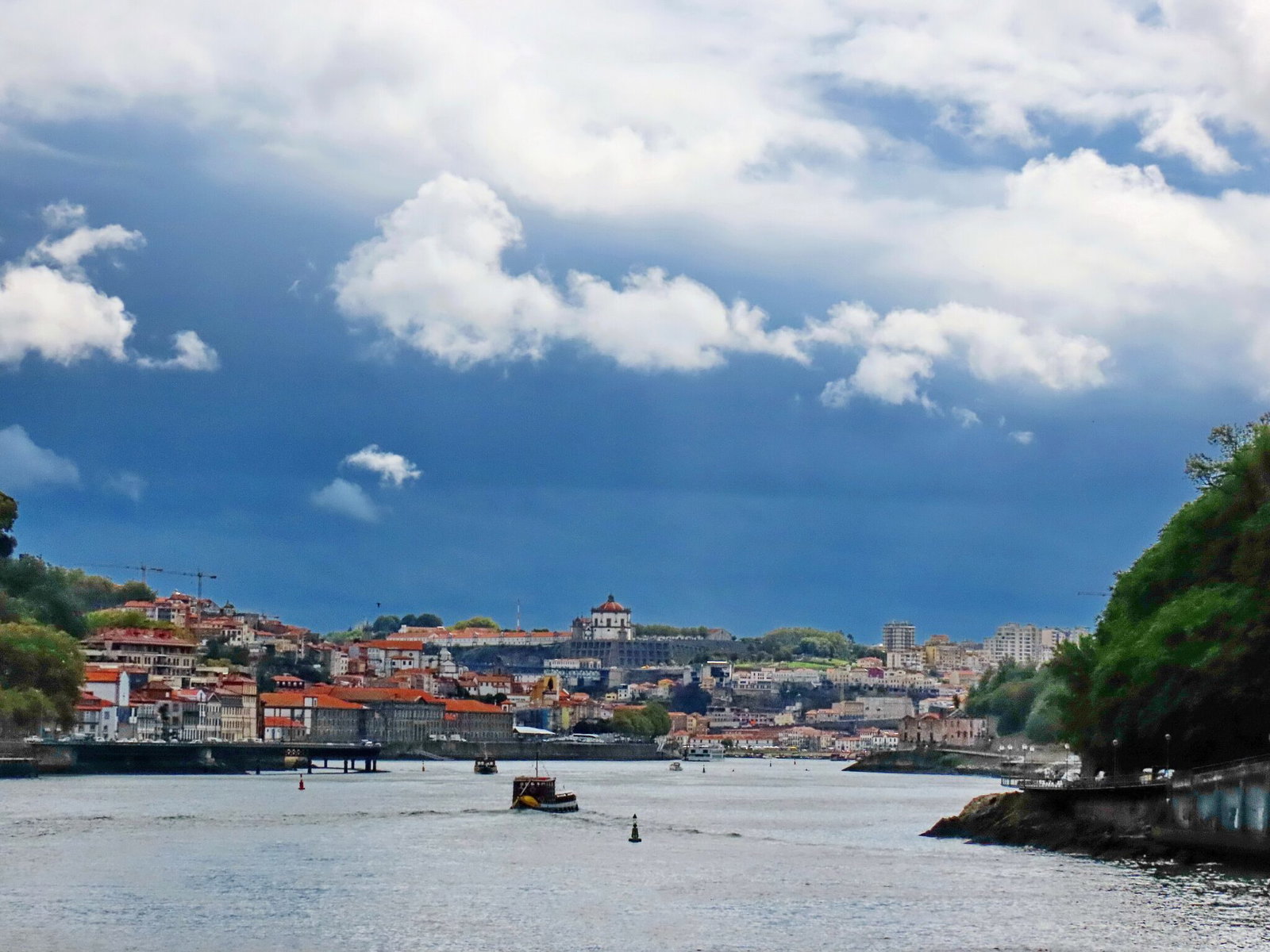
This is the whole year in one table. Temperatures are average daily low and high, rainfall is the monthly total, and sunshine is total hours for the month.
| Month | Low | High | Rain | Sun hrs | In short |
|---|---|---|---|---|---|
| January | 5.2°C | 13.8°C | 147.1mm | 124 | Wettest stretch, quietest streets |
| February | 5.9°C | 15°C | 110.5mm | 129 | Cool and changeable, carnival month |
| March | 7.8°C | 17.4°C | 95.6mm | 192 | Sunshine climbs sharply |
| April | 9.1°C | 18.1°C | 117.6mm | 217 | Showery but bright between them |
| May | 11.6°C | 20.1°C | 89.6mm | 258 | The sweet spot before the crowds |
| June | 14.5°C | 23.5°C | 39.9mm | 274 | Dry, warm, and São João |
| July | 15.9°C | 25.3°C | 20.4mm | 308 | Driest month of the year |
| August | 15.9°C | 25.7°C | 32.9mm | 295 | Warmest month, busiest month |
| September | 14.7°C | 24.1°C | 71.9mm | 224 | Warm sea, harvest in the Douro |
| October | 12.2°C | 20.7°C | 158.3mm | 184 | Mild but the rain returns |
| November | 8.9°C | 17.1°C | 172mm | 139 | Second wettest, chestnut season |
| December | 6.9°C | 14.4°C | 181mm | 124 | Wettest month, Christmas lights |
Source: Instituto Português do Mar e da Atmosfera, 1981–2010 climate normals for Porto. Sunshine hours 1961–1990.
Two numbers in that table do the most work. July gets 20.4mm of rain across the whole month while December gets 181mm, close to nine times as much. And the sunshine column swings from 124 hours in December to 308 in July, which is the difference between four hours of sun a day and ten.
The Best Time to Visit Porto, by What You Came For
There is no single best month, only a best month for the trip you are taking. Porto in mid-July and Porto in mid-January are close to different cities. If Porto is one half of a longer trip, my guide to Lisbon to Porto by train covers the leg between the two cities.
| If you want | Go in | Why |
|---|---|---|
| Warm and dry, fewer people | Late May to June | 20–23°C, under 90mm rain, 258–274 sun hours |
| Beach and sea swimming | July to early September | The Atlantic here is cold; this is the only realistic window |
| The Douro wine harvest | September | Picking and treading are underway, valley still warm |
| The city’s biggest party | 23–24 June | São João, one fixed night, book months ahead |
| Low prices and empty streets | January to February | Mild at 13–15°C, but pack for rain |
| Christmas lights | December | Wettest month of the year, so plan indoor time |
Porto Weather in Spring: March, April and May
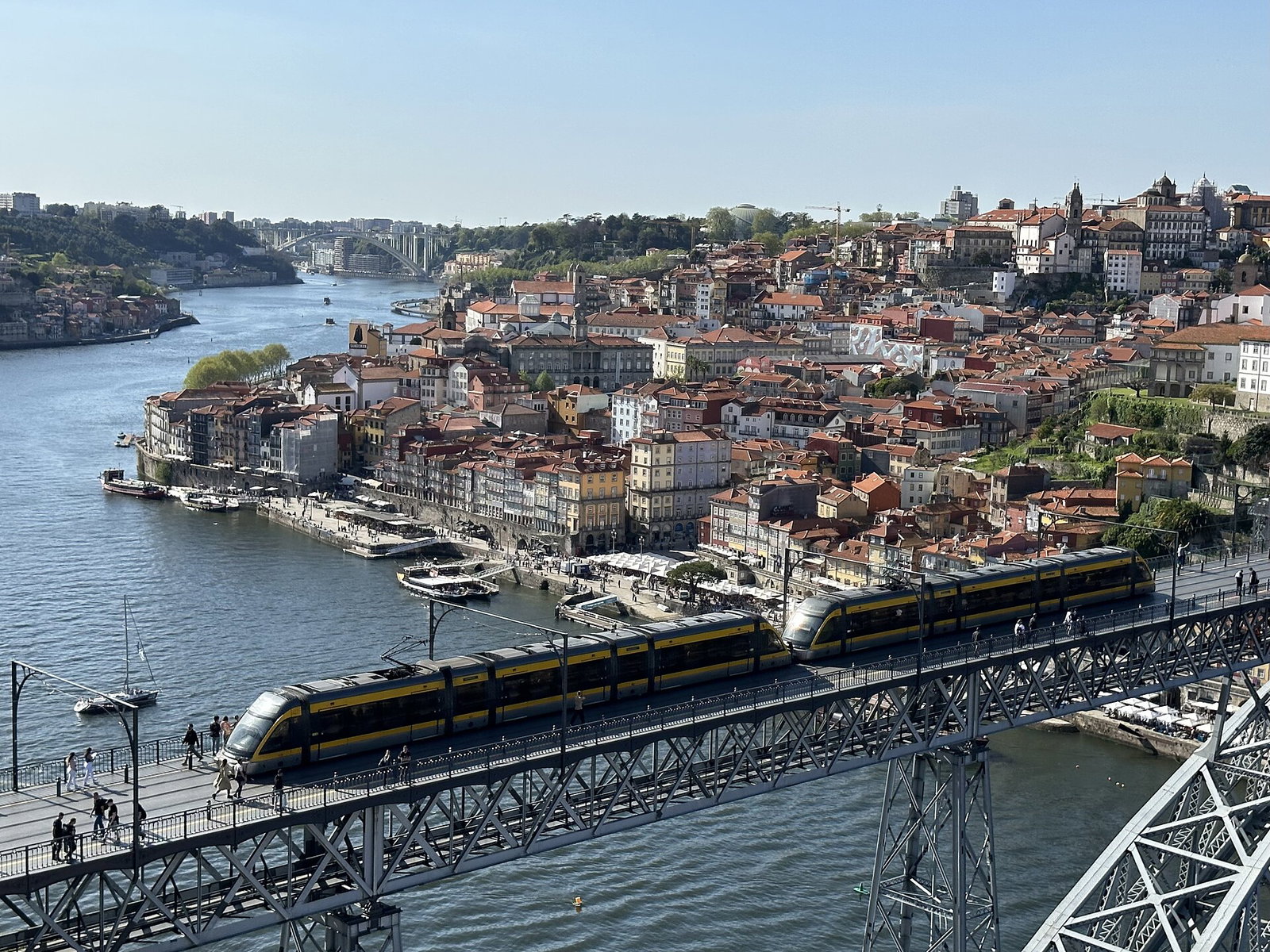
Spring is when the sunshine total jumps hardest. March gets 192 hours against February’s 129, and by May the city is on 258. Highs climb from 17.4°C in March to 20.1°C in May, which is walking weather rather than sitting-outside weather until the end of the season.
April is the trap. It looks like a safe shoulder month and it carries 117.6mm of rain, more than March and considerably more than May’s 89.6mm. Showers here come through fast and hard rather than settling in for the day, so an April trip works if you keep a loose plan and a waterproof, and badly if you have booked a walking tour for every morning.
May is the month locals will point you at. Warm enough to eat outside, dry enough to trust, and still ahead of the summer crowd and the summer rates. If a single month had to be called the best time to visit Porto on the numbers alone, May would take it.
Porto Weather in Summer: June, July and August
Summer in Porto is warm rather than hot. August averages a high of 25.7°C, July 25.3°C. Inland Portugal bakes at this time of year and Porto does not, because the Atlantic sits right there moderating everything. Nights stay around 15.9°C, which is why almost nobody here has air conditioning and almost nobody needs it.
Rain effectively stops. July’s 20.4mm is the annual low and August’s 32.9mm is not much more. July also delivers 308 hours of sunshine, the most of any month. If your priority is a dry, reliable week, this is the window and there is no real argument against it except the crowds and the price.
1. The Sea Is Colder Than the Air
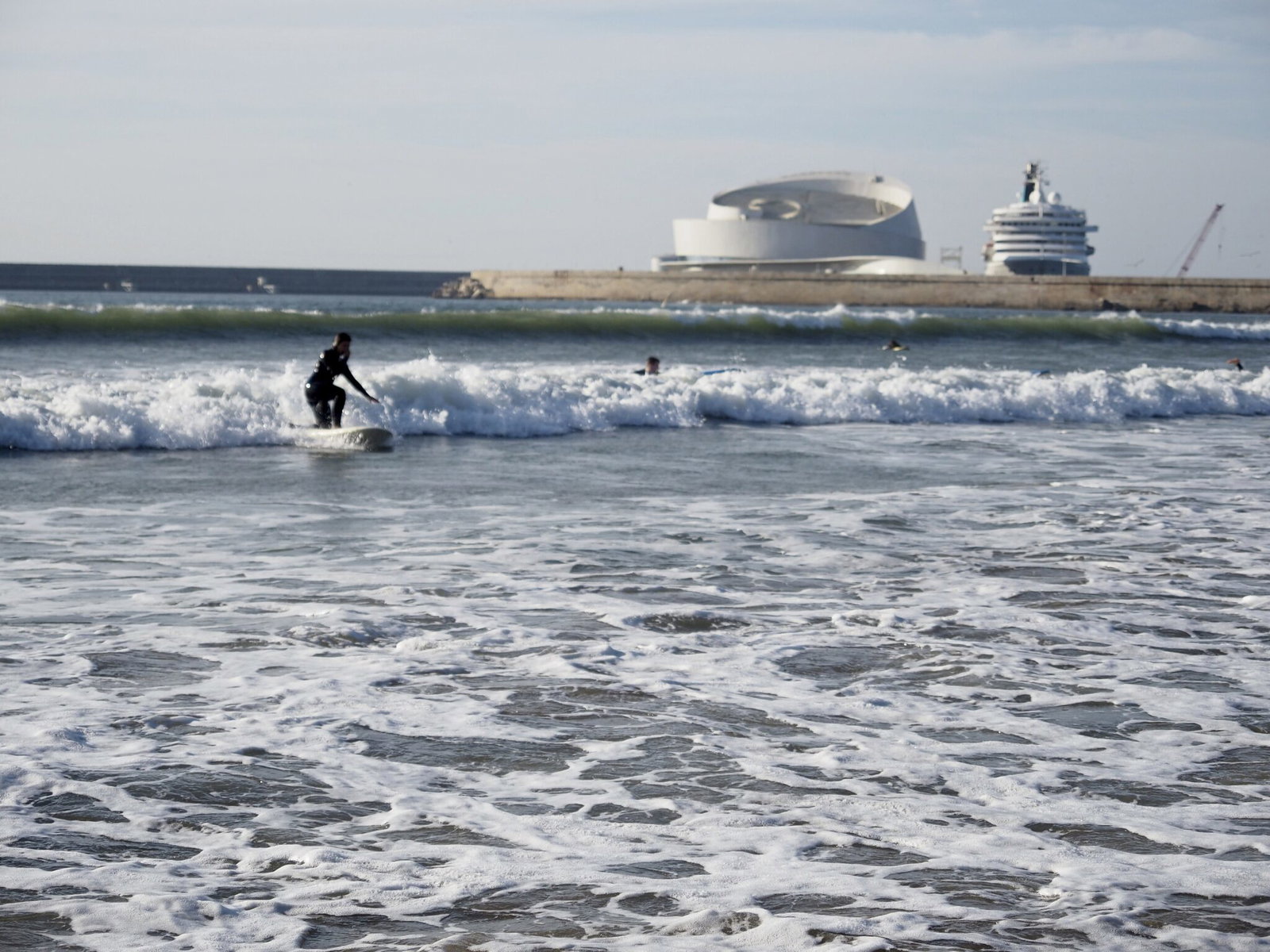
This is the thing that catches people out. Atlantic water off this coast stays cool all year and rarely feels warm even in August. Swimming is genuinely pleasant for a fairly short window in high summer, and the beaches at Matosinhos are as much about the surf schools and the seafood as the sunbathing. Bring a wetsuit if you plan to be in the water for any length of time.
2. August Is the Busiest and Priciest Month
Portuguese holidays and international visitors land in the same four weeks. Accommodation rates peak, the Ribeira waterfront is shoulder to shoulder in the evenings, and the popular sights need booking. June gives you nearly the same weather with meaningfully fewer people, which is the trade most repeat visitors end up making.
Porto Weather in September and October
September is the month that quietly outperforms. Highs of 24.1°C, only 71.9mm of rain, 224 hours of sun, and the sea is at its warmest after a summer of heating up. The crowds thin from the first week. For a lot of trips it is a straightforward improvement on August.
October is where the year turns, and it does so faster than the temperature suggests. Highs are still a comfortable 20.7°C, but rainfall jumps to 158.3mm, which is more than April and nearly double September’s total. Sunshine drops to 184 hours. It remains a good month to visit as long as you have understood that you are booking a wet one.
What To Pack For October
- A proper waterproof jacket rather than a folding umbrella; the wind off the river turns umbrellas inside out
- Shoes with grip, because Porto’s granite pavements are genuinely slippery wet
- Layers for a 12.2°C morning that becomes a 20.7°C afternoon
- One indoor plan per day held in reserve
Porto Weather in Winter: November, December, January and February
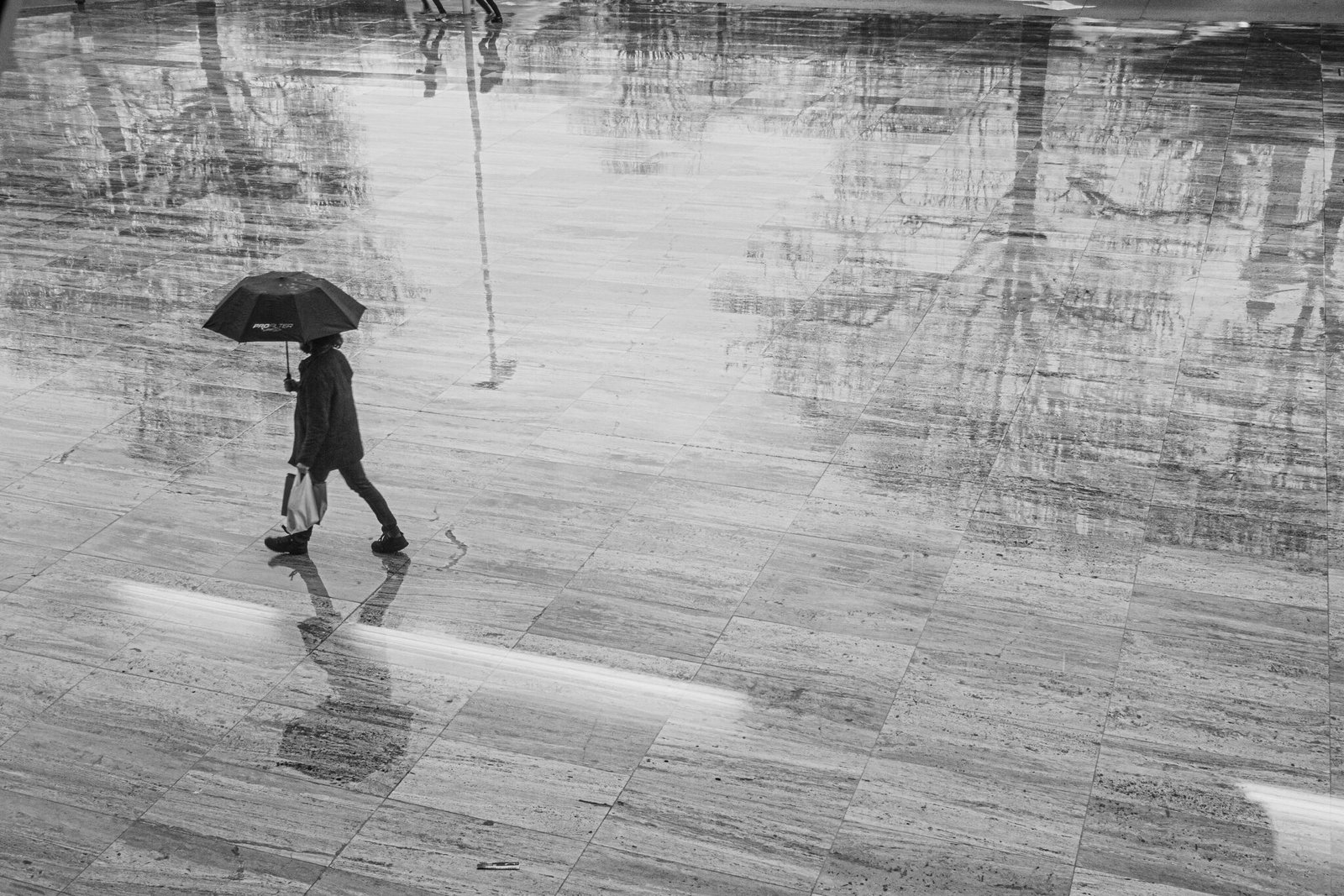
Porto does not get cold in any northern European sense. January, the coolest month, still averages a high of 13.8°C and a low of 5.2°C. Snow in the city is close to unheard of. What winter delivers instead is water: December 181mm, November 172mm, January 147.1mm. Those are the three wettest months of the year and together they are why Porto is the rainiest major city with a Mediterranean climate.
Sunshine bottoms out at 124 hours in both December and January, roughly four hours a day. Set against that, the city is at its least crowded, its cheapest, and arguably at its most itself. Cafes are full of people who actually live here, restaurant tables need no booking, and the Ribeira belongs to Porto again.

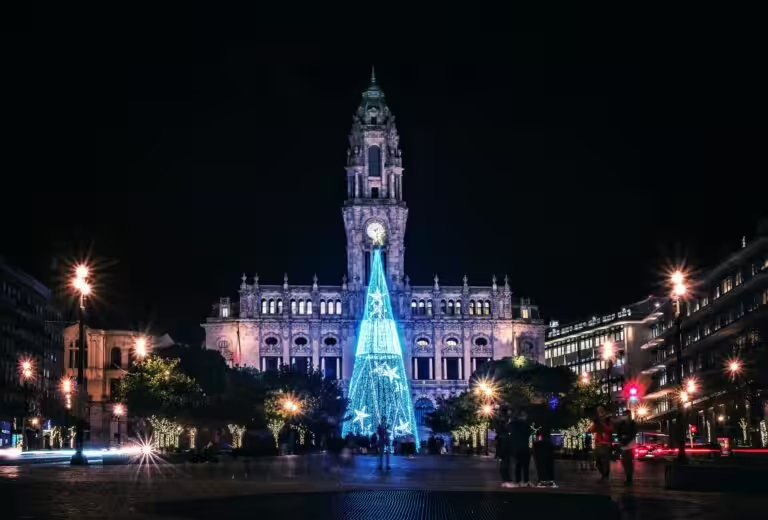
December buys you the Christmas lights, which go up across the centre from late November and stay lit into early January. They are the compensation for the 181mm of rain, and they are the reason December is the one winter month that does get busy.
3. February Is the Underrated Month
February gets 110.5mm of rain, noticeably less than the three months before it, while highs edge up to 15.0°C and sunshine reaches 129 hours. Carnival falls in February in both 2026 and 2027. It is the point in the year where the weather starts giving something back without the prices having caught up.
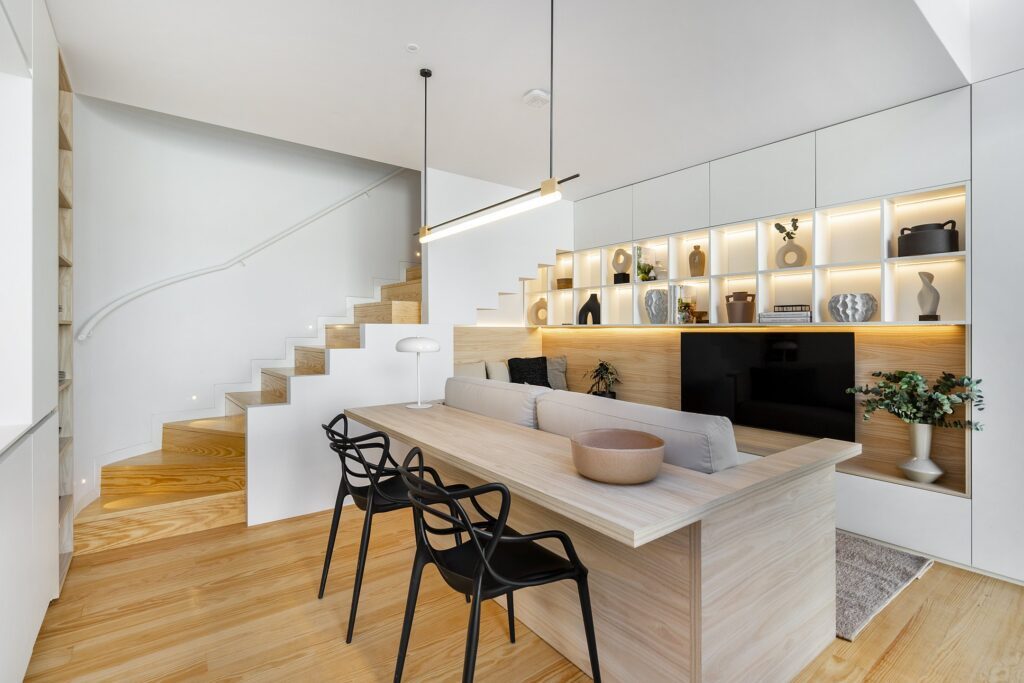
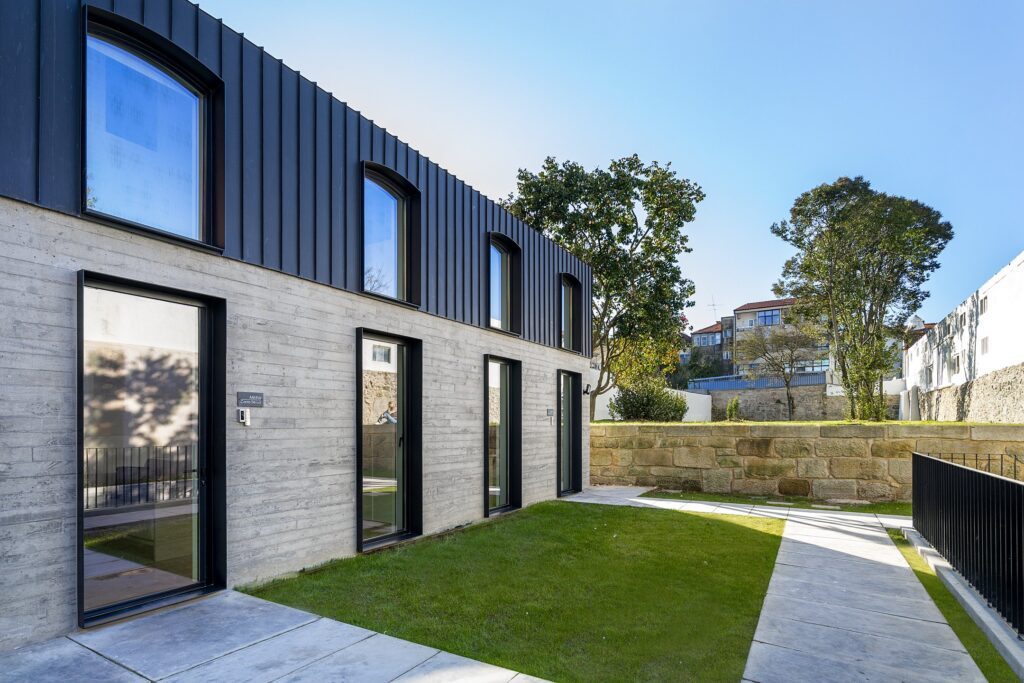
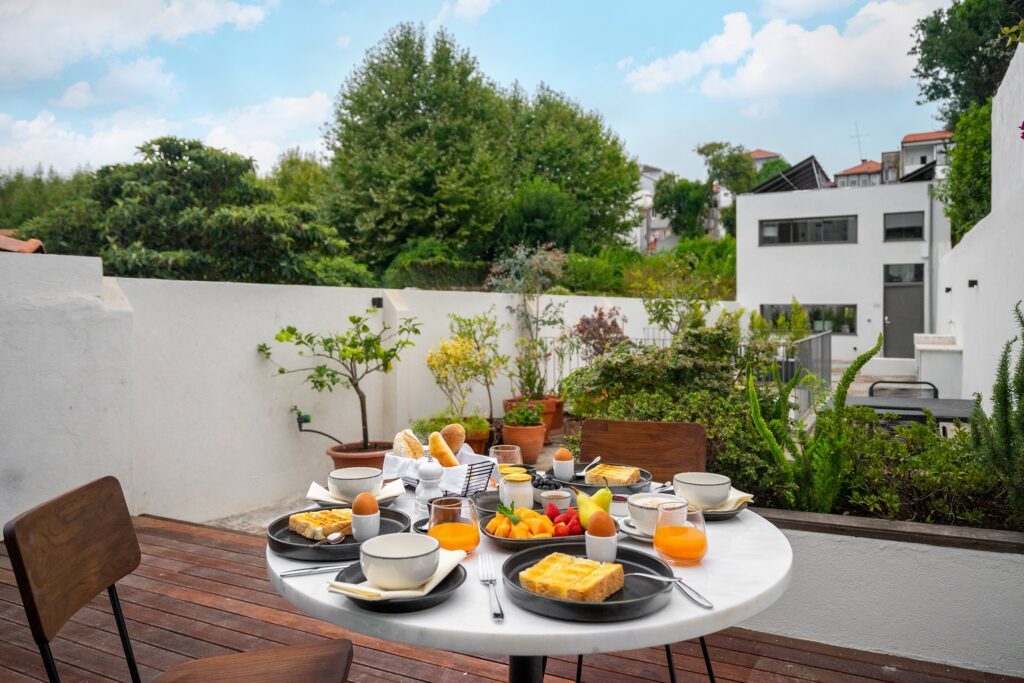
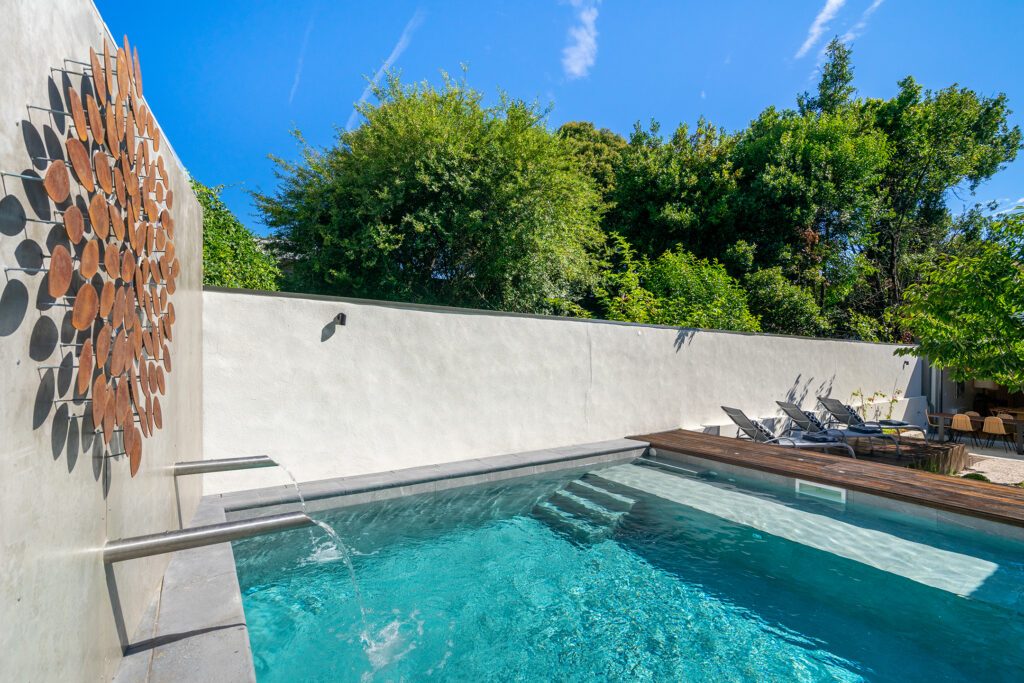
A year-round base in Porto’s old town
Canto de Luz keeps its outdoor pool heated through the winter and serves a different homemade breakfast every morning, whatever the sky is doing. Seven suite types on a quiet street in the old town, from €99 a night.
The Best Month for the Douro Valley Wine Harvest
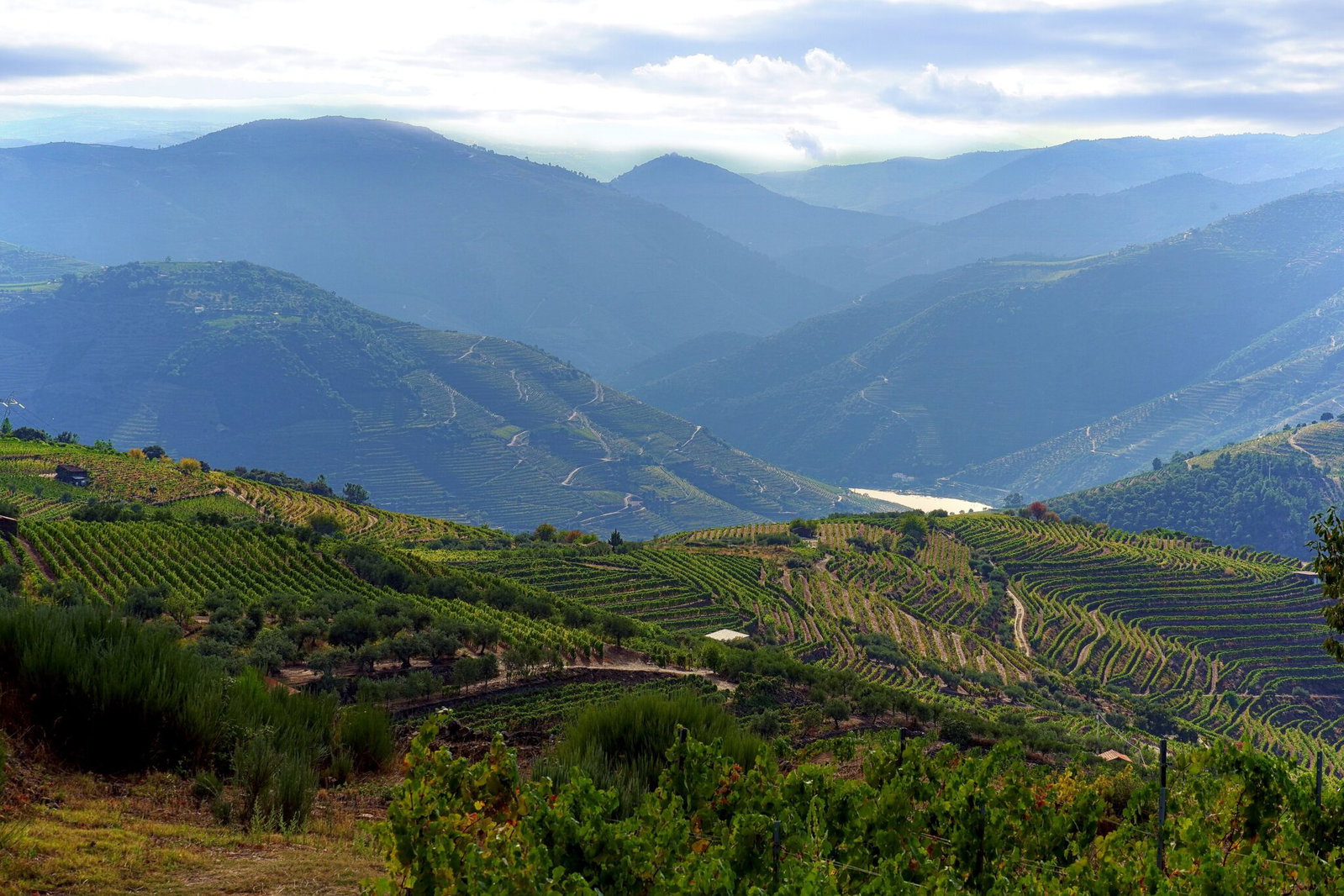
September. If the Douro is the reason for the trip, that is the answer, and the window is narrower than most calendars imply. The vindima, the grape harvest, generally runs through September, occasionally starting in the last days of August and occasionally running into the first week of October depending on how the year has gone. Picking is done by hand on those terraces because machinery cannot work the gradients.
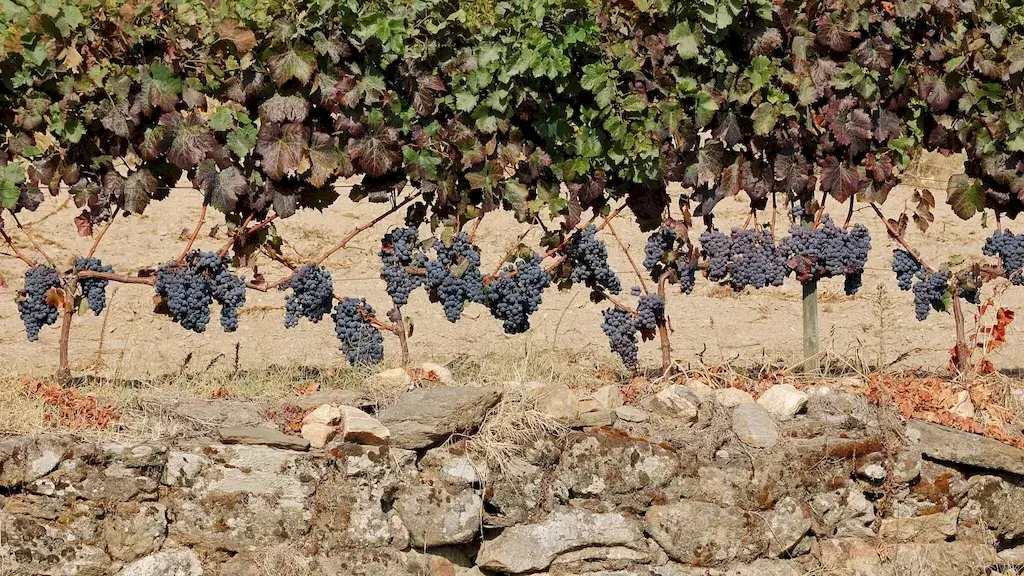
Visiting during the harvest is a different experience from visiting the same quinta in June. The terraces are being worked rather than looked at, the presses are running, and some estates still tread by foot in granite lagares in the evening and let guests join in. Book well ahead: the quintas that take harvest guests have limited space and fill early, and September is also when the valley is at its busiest.
4. What the Douro Looks Like Outside Harvest Season
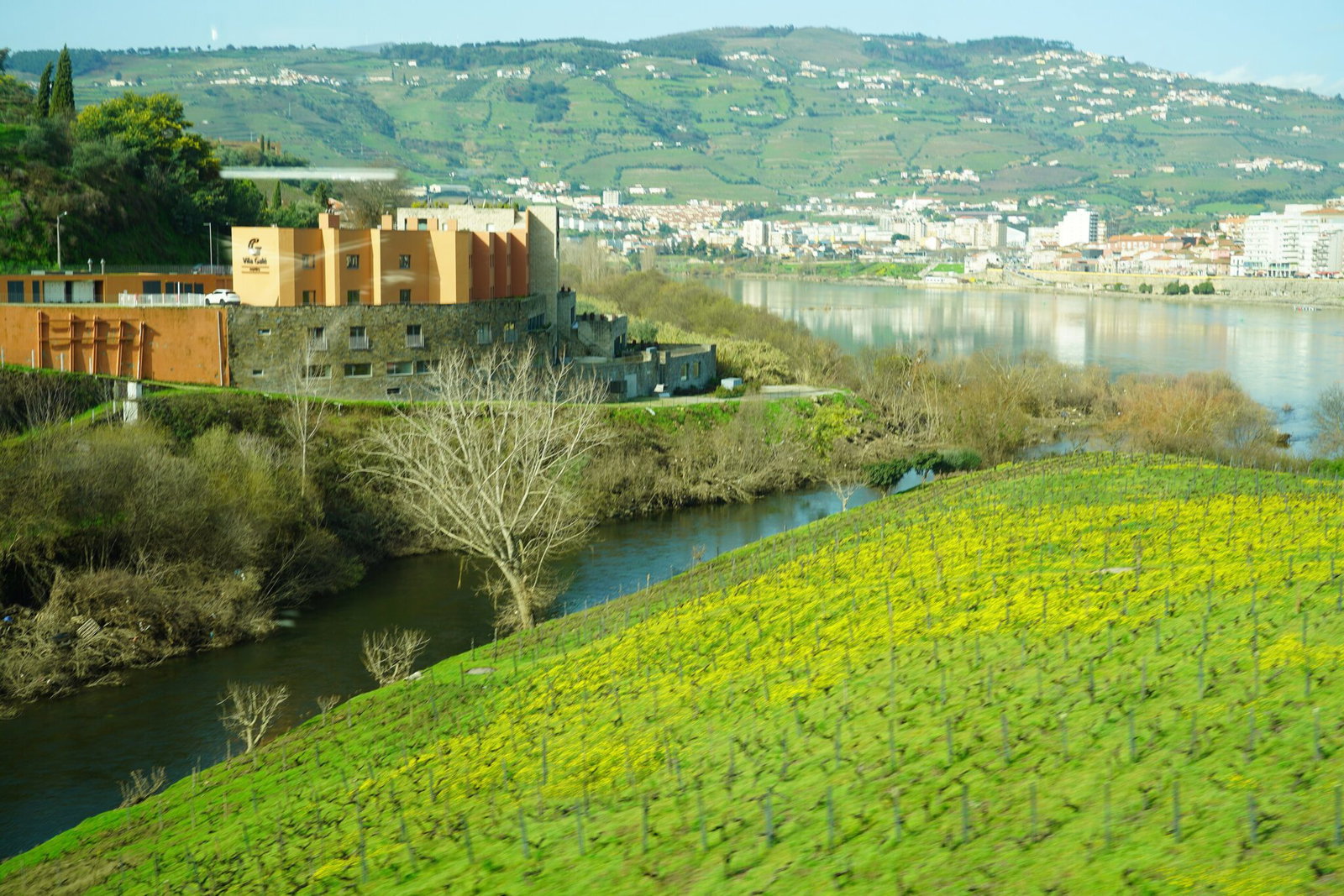
Worth knowing before you commit to a date. From November through March the vines are bare, the terraces read as stone rather than green, and many smaller quintas cut their opening hours or close to visitors entirely. The valley is beautiful in winter in a stark way, and the river cruises still run, but if you are picturing rows of heavy fruit you will be looking at empty wires.
Late spring is the compromise. May and June give you full green terraces, long light and open quintas, without the harvest crowds or the harvest prices. Getting there is straightforward in any season, and the routes from Porto to the Douro Valley are covered separately, train being the one most people underrate.

A Note from Susan
"Everyone asks me about summer and I keep telling them to come in late May or September instead. The weather is fabulous, you can still swim in September, and you are not queueing for everything. And do not write off January. It rains, yes, but the pool is heated, the city is yours, and a wet afternoon in Porto with a glass of something is a great afternoon."
— Susan, Founder of Espais Roca
Porto Events Calendar for 2026 and 2027
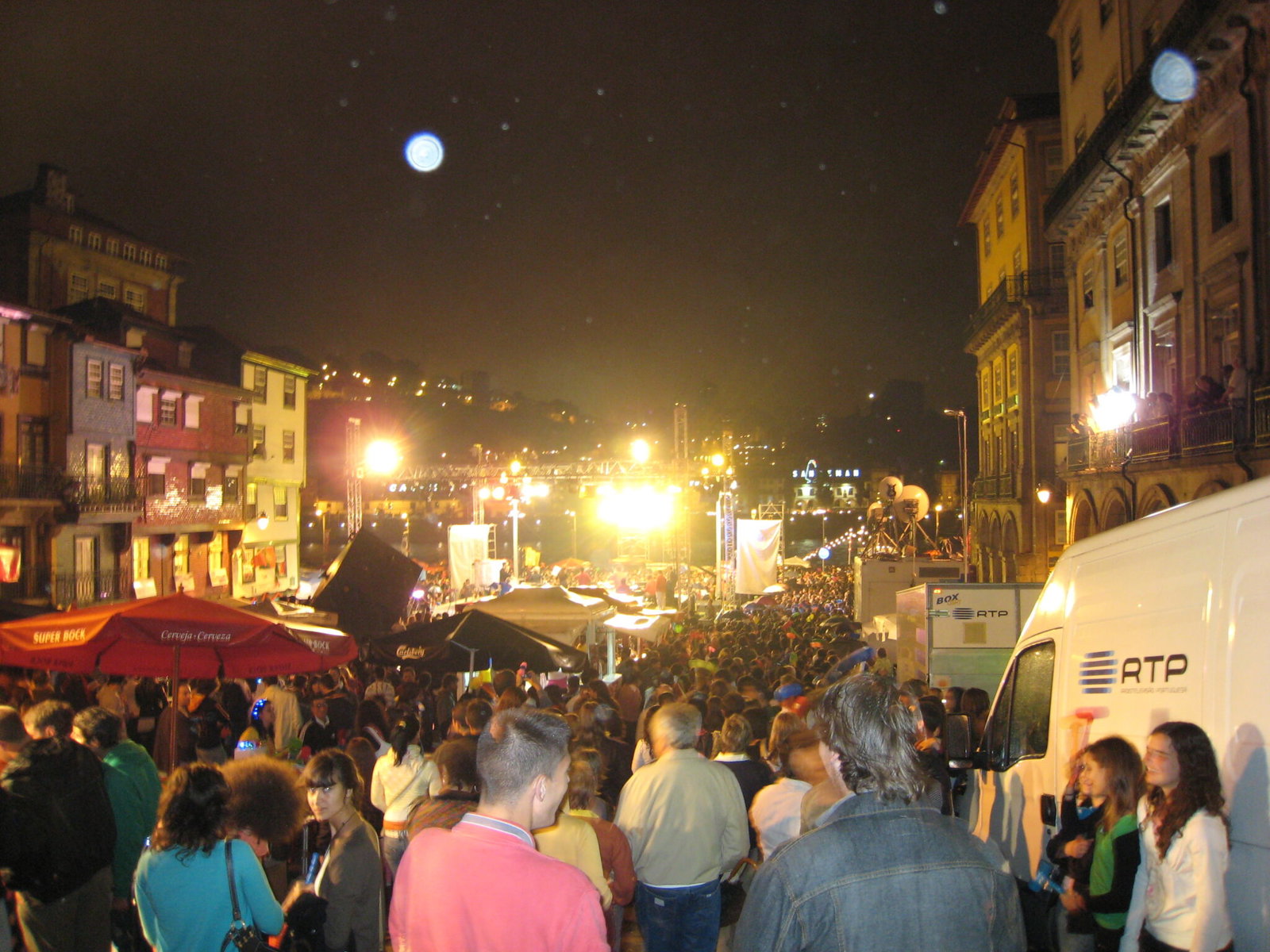
Some of Porto’s calendar is fixed to the day and some of it moves with Easter or gets announced a few months out. The fixed dates below you can plan a year ahead. The moveable ones are dated where the date is calculable.
| Event | 2026 | 2027 | What it is |
|---|---|---|---|
| Carnival | 17 February | 9 February | Shrove Tuesday, moves with Easter |
| Easter | 5 April | 28 March | Processions; some sights close |
| São João | 23–24 June | 23–24 June | The city’s biggest night, fixed annually |
| Douro vindima | September | September | Grape harvest; exact dates set by the year’s ripening |
| São Martinho | 11 November | 11 November | Magusto: roast chestnuts and new wine |
| Christmas lights | Late Nov – early Jan | Late Nov – early Jan | Switch-on date announced each autumn |
| New Year’s Eve | 31 December | 31 December | Free concert and fireworks at Aliados |
Music festival line-ups and dates are published closer to the time; confirm before booking flights around one.
5. São João Is the One to Plan Around
On the night of 23 June the whole city goes outside, hits strangers on the head with squeaky plastic hammers, eats grilled sardines in the street and watches fireworks over the Douro at midnight. It is not a spectator event; there is no way to attend it politely from the edge. Accommodation for that week sells out months in advance and rates rise accordingly, so if it is on your list, read up on how São João actually works and book early.
November’s São Martinho is the quiet opposite and worth catching if you are here on the 11th: roasted chestnuts on street corners, the year’s new wine, and no crowds at all. The rest of the year’s programme is tracked in our Porto events calendar.

"The accommodation offers everything and a little more than you might expect. Absolutely perfect. The staff is simply super attentive, polite and helpful. We were there in October and the interplay of climate and heating was good. The pool was an absolute highlight and the daily breakfast service in the villa was simply a perfect start to the day. All the tips on places to eat in Porto were a hit and the excursion booked through the hotel was worth every euro. A dream."
— Markus Z, October stay, via
Where to Stay in Porto Whatever the Season
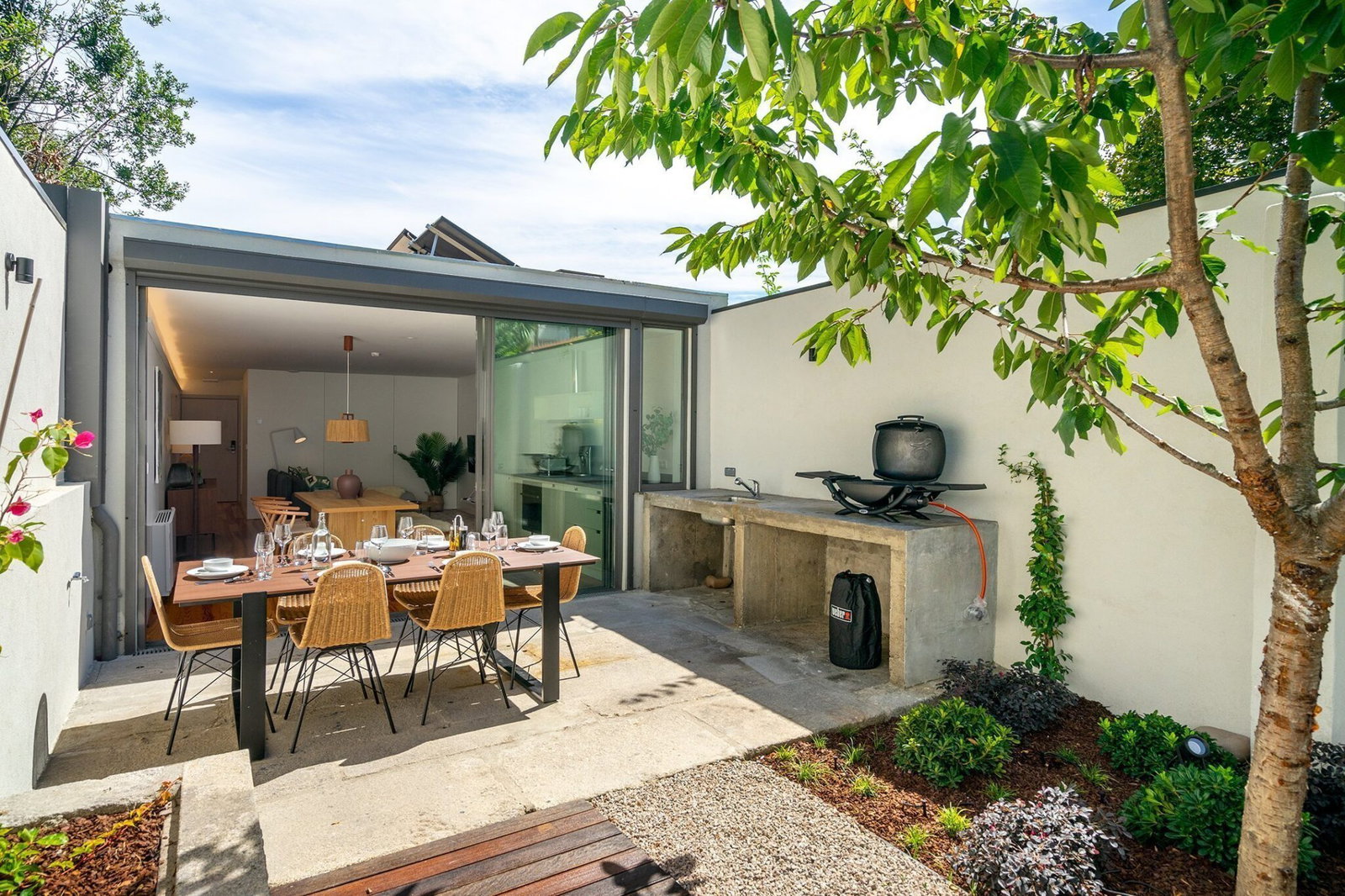
Season changes what matters in a hotel here. In August you want somewhere cool and quiet to retreat to in the afternoon. In December you want to not mind that it is raining. Canto de Luz is built for both: a restored boutique maison on Rua do Almada in the old town, seven suite types, and a heated outdoor saltwater pool that stays open 09:30 to 19:30 right through the winter.
Breakfast is homemade and changes daily, which matters more than it sounds on a wet morning, and the street is quiet enough to sleep on despite being a few minutes from Trindade metro. Rates start at €99 a night.
Frequently Asked Questions
What Is the Best Time to Visit Porto?
Late May to early July, or September. Those months give you highs of 20 to 25°C, under 90mm of rain and 224 to 274 hours of sunshine, without August’s crowds or rates. May is the driest of the shoulder months at 89.6mm.
What Is the Rainy Season in Porto?
October through March, peaking in December at 181mm and November at 172mm. Porto is the wettest major city with a Mediterranean climate. October catches people out because it is still mild at 20.7°C but already gets 158.3mm of rain.
What Is the Weather Like in Porto in October?
Mild and wet. Average high 20.7°C, low 12.2°C, 158.3mm of rain and 184 hours of sunshine. It is warmer than most of northern Europe in October but noticeably wetter than September, which gets only 71.9mm.
How Hot Does Porto Get in Summer?
Warm rather than hot. August averages a high of 25.7°C and July 25.3°C, with overnight lows around 15.9°C. The Atlantic keeps Porto several degrees cooler than inland Portugal, which is why air conditioning is uncommon here.
What Is Porto’s Weather Like in December?
Mild but wet and dark. Highs of 14.4°C, lows of 6.9°C, 181mm of rain and just 124 hours of sunshine across the month. It is the wettest month of the year, and also when the Christmas lights are up across the city.
Is the Sea Warm Enough to Swim In at Porto?
Only really in high summer. The Atlantic on this coast stays cool year round and is at its warmest in late August and September, after a full summer of heating. Surfers wear wetsuits here in every month, including August.
When Is the Douro Valley Grape Harvest?
Through September, occasionally starting in late August or running into early October depending on the ripening. Picking is done by hand because the terraces are too steep for machinery, and some quintas still foot-tread in granite lagares.
Which Month Has the Fewest Crowds in Porto?
January and February. Rates are at their lowest, restaurants need no booking and the main sights are quiet. The trade is 147.1mm of rain in January and only about four hours of daylight sun, so plan indoor options.
Does It Snow in Porto?
Effectively never. The coldest month, January, still averages a high of 13.8°C and a low of 5.2°C. Snow falls in the mountains inland and in the Douro’s higher reaches, but the city itself sits at sea level on the Atlantic.
Stay at Canto de Luz
A restored boutique maison in Porto’s old town with a heated outdoor pool open all year, homemade breakfast included and seven suite types. From €99 a night.
Check AvailabilityClimate figures: Instituto Português do Mar e da Atmosfera, 1981–2010 normals for Porto (sunshine and humidity 1961–1990). Photographs via Wikimedia Commons. CC BY 4.0: Michael Gaylard, Joseolgon. CC BY 2.0: Reiner Ehlers, Paulo Gomes, Sergei Gussev, Bex Walton, Hugo Cadavez. CC BY-SA 4.0: Joana Martins. CC BY-SA 2.0: Rosino, Ray Swi-hymn.