At A Glance
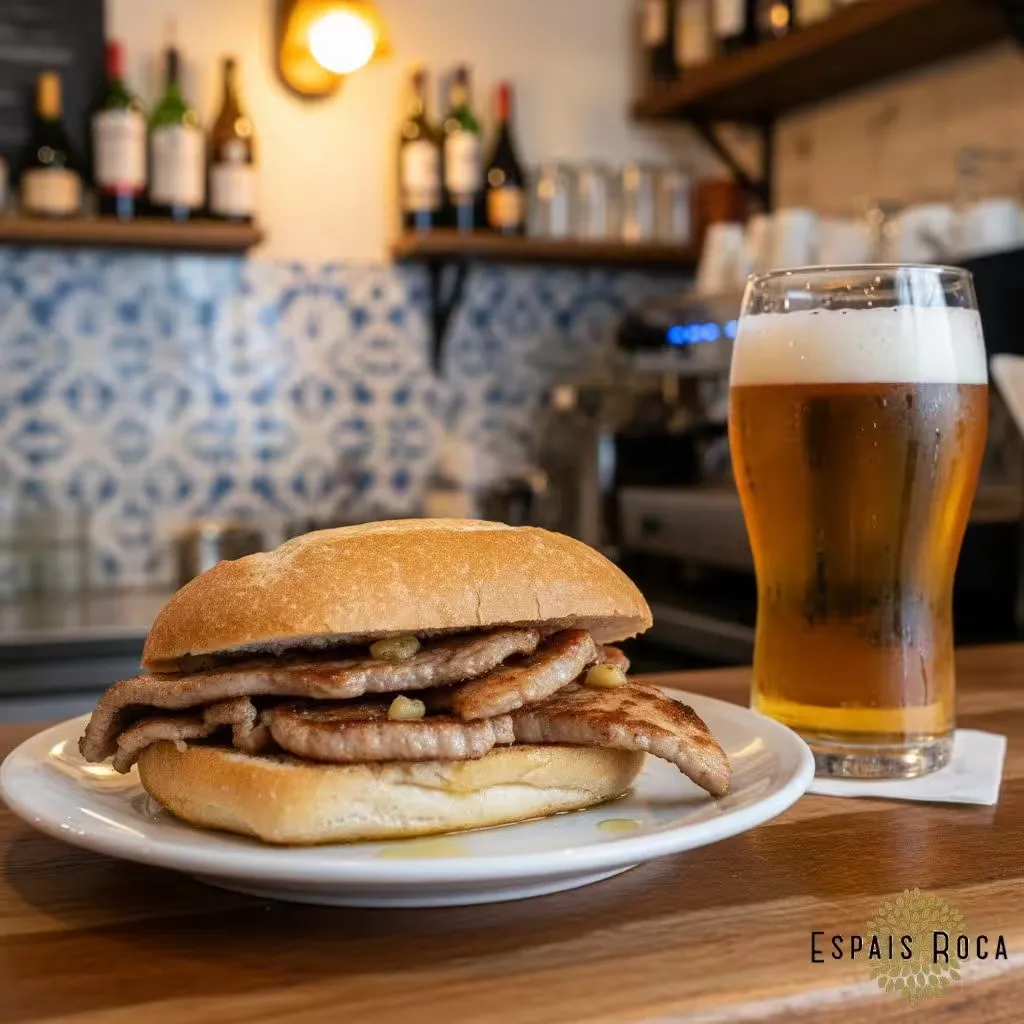
A bifana is Porto’s working-lunch sandwich: thin pork slices marinated in garlic, white wine and paprika, served hot on a soft papo-seco roll with mustard or piri-piri.
- Originated in the Alentejo as a working-class meal; Porto’s version is bolder, spicier and proudly its own
- Costs €3–€4 a sandwich at most spots; pair with a small Super Bock for under €6 total
- The 5 best places below are all within a 12-minute walk of Canto de Luz on Rua do Almada
- Classic order: uma bifana com mostarda, eaten standing at the counter with a small beer
- Conga (since 1976) is the city’s most famous bifana spot; Casa Guedes does a gourmet roast-pork version
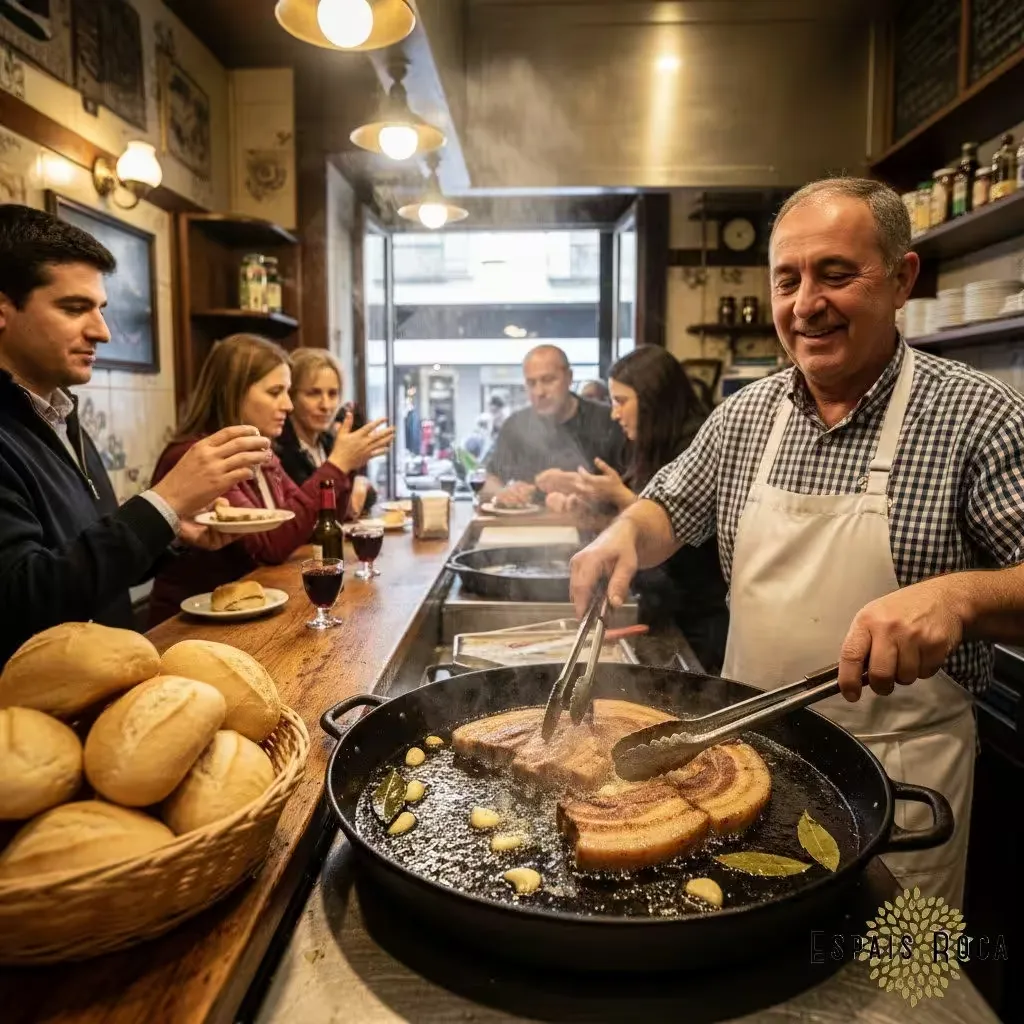
If francesinha is Porto’s celebration sandwich, the bifana is its working lunch. Thin slices of pork, marinated in garlic, white wine and paprika, simmered until tender, then tucked into a warm papo-seco roll with a slick of mustard or piri-piri. It costs about €3 a sandwich, takes ninety seconds to make, and you eat it standing at the counter with a small beer. It is the most honest food in the city.
I send guests off to a bifana whenever they tell me they want to eat like a local rather than a tourist. The recipe came up from the Alentejo decades ago and Porto adopted it, made it spicier, and never looked back. You will find one at a tasca near every metro station, but a small handful of places have made it their reputation. The 5 below are the ones I keep recommending after years of guests reporting back.
Below is what a bifana actually is, how to order one without sounding lost, and where to find the best examples within a short walk of Canto de Luz. If you want to take it further, I have included a short note at the end on the chef-led market tour and tapas class I host on site, where the bifana’s marinade gets a proper explanation alongside the rest of Porto’s street-food canon.
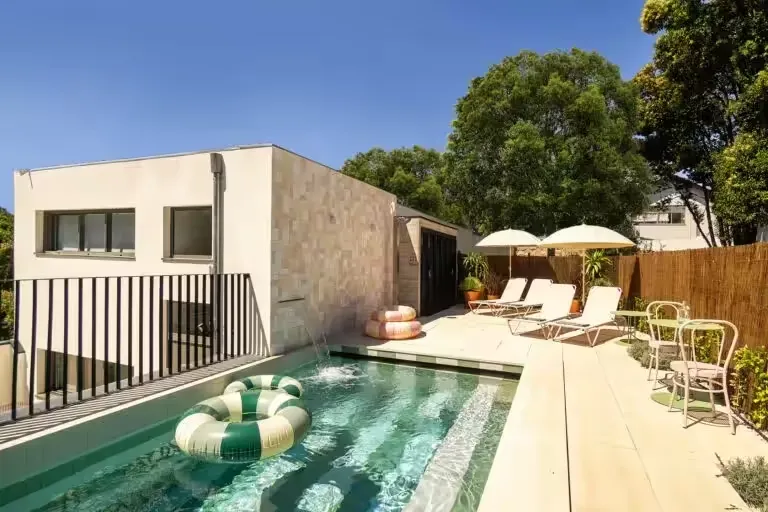
Staying in Porto? Canto de Luz is on Rua do Almada in the old town, walking distance to most of what is in this guide.
What is a bifana, really?
A bifana is thin-cut pork (usually shoulder or loin), marinated for several hours in white wine, garlic, paprika, bay leaves and salt, then simmered or quickly fried in its own marinade. It goes hot into a soft papo-seco roll that has just enough crust to hold the juices. Mustard, piri-piri sauce or both go on top. That is it. No cheese, no salad, no side. The whole thing fits in your hand and is gone in three minutes.
It was invented as a quick meal for farm workers in the Alentejo, the rural pork-producing region south of Lisbon. By the time it reached Porto it had picked up more paprika, more garlic and more heat, and locals will tell you the northern version is a different sandwich altogether. Visit Portugal still ranks it among the country’s defining street foods, alongside the francesinha and the bolinho de bacalhau.
The point of a bifana is its honesty. Three ingredients done well, served fast, eaten standing up. There is no fashion to it.
1. Conga – Casa das Bifanas: the city’s most famous
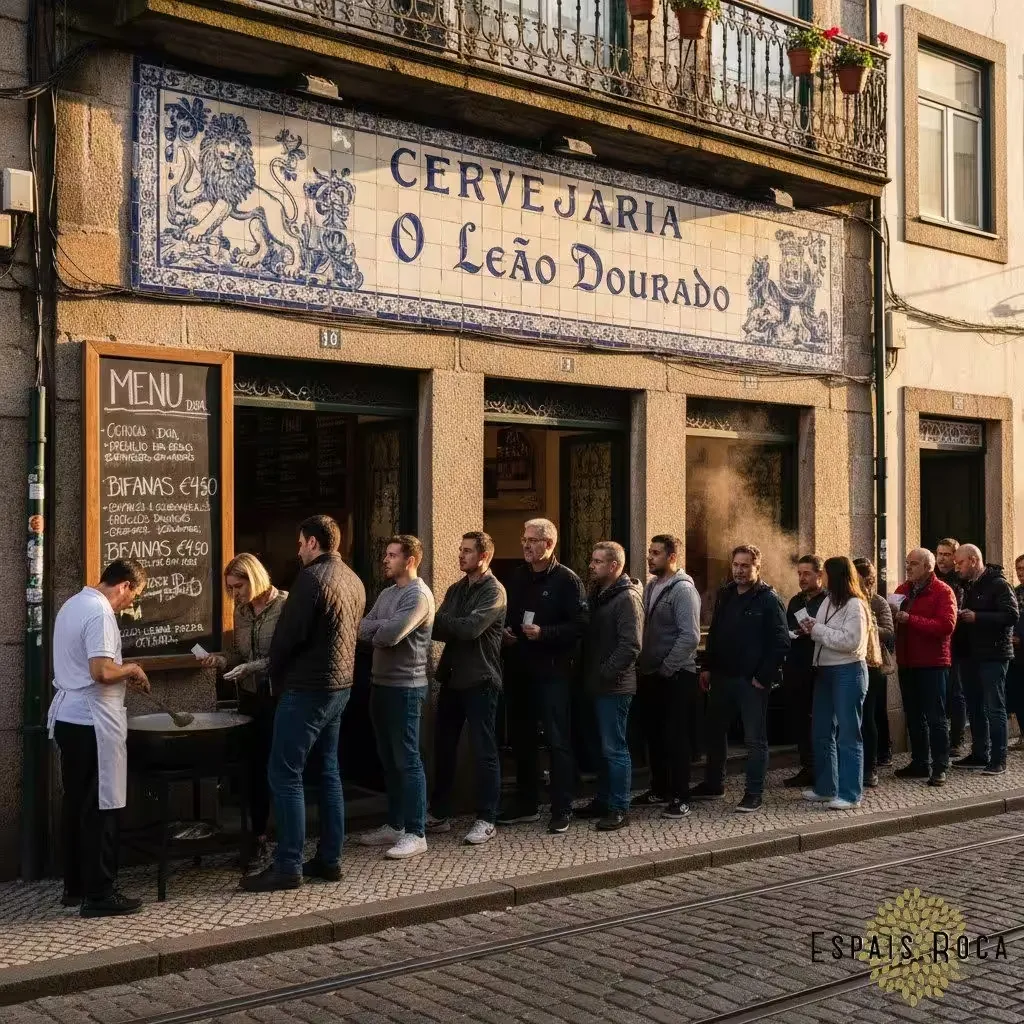
Conga has been on Rua do Bonjardim since 1976 and is the spot most often named when locals are pressed to pick a single favourite. The marinade recipe is a closely guarded secret blend of paprika, garlic and what is rumoured to be a touch of cinnamon. The pork is flavour-packed and tender; the bread is fresh; the service is fast even when the bar is two-deep.
Order at the counter, eat standing, drink a small Super Bock. It is about a 10-minute walk from Canto de Luz down Rua do Almada and across Avenida dos Aliados.
- Address: Rua do Bonjardim 318, 4000-115 Porto
- Hours: Mon–Sat 11:30am–10:00pm; closed Sundays
- Price: Bifana around €3.50; small beer €1.50
- Walk from Canto de Luz: Approximately 10 minutes
- Payment: Cards and Apple Pay accepted; a little cash useful at peak
- Tip: Order at the counter and eat standing for the full local experience
2. O Astro Cervejaria Petisqueira: bold, mustard-heavy and friendly
O Astro sits next to the Campã bus and train station, which makes it both a useful first stop and a useful last one. The bifana here is more aggressively seasoned than Conga’s, with a generous mustard slick and chilli sauce that locals love. It is a busy, lively cervejaria where regulars catch the football on the screen above the bar.
Worth the journey east if you are catching a long-distance train, or as a deliberate side-trip on a longer day in the city.
- Address: Rua da Estação 16, Porto (next to Campã station)
- Hours: Mon–Wed 11am–9pm; Thu–Fri until 10pm; Sun 4:30pm–10pm; closed Saturdays
- Price: Around €3.50–€4 with mustard and chilli
- Walk from Canto de Luz: 25 minutes; faster by metro to Campã
- Best for: Stop on the way to or from a train
3. Casa Guedes: the gourmet roast-pork version
Casa Guedes is technically a bifana de pernil (slow-roasted pork shoulder sandwich), which is the more luxurious cousin of the marinated kind. The pork is slow-roasted until it falls apart, piled high on a fresh roll. The famous “#14” pairs the roast pork with melted Brie and caramelised onions on a brioche, which is heretical to bifana traditionalists but extremely satisfying. There are four locations in Porto including a rooftop near São Lázaro.
Expect a queue at lunchtime, especially in summer. Worth it.
- Main address: Praça dos Poveiros 130, Porto
- Hours: Daily, 11am–midnight (varies by location)
- Price: Classic pernil sandwich €5–€6; #14 with Brie around €7
- Walk from Canto de Luz: Approximately 12 minutes
- Best for: A more substantial sit-down version
Stay in Porto’s old town with me
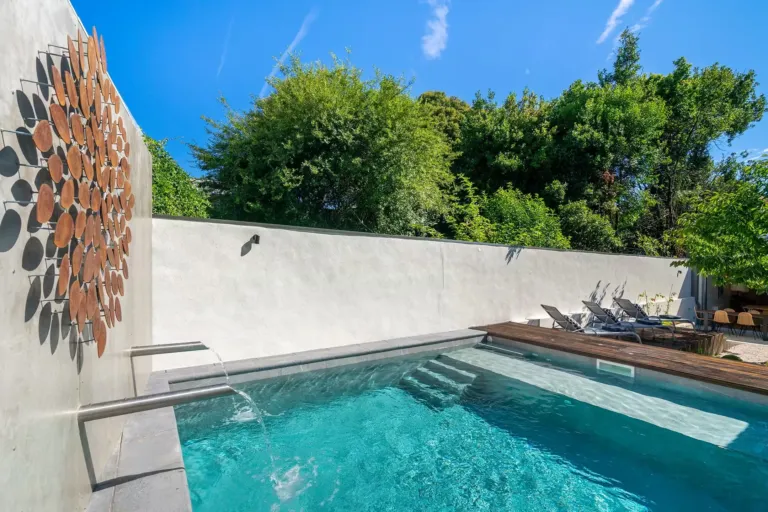
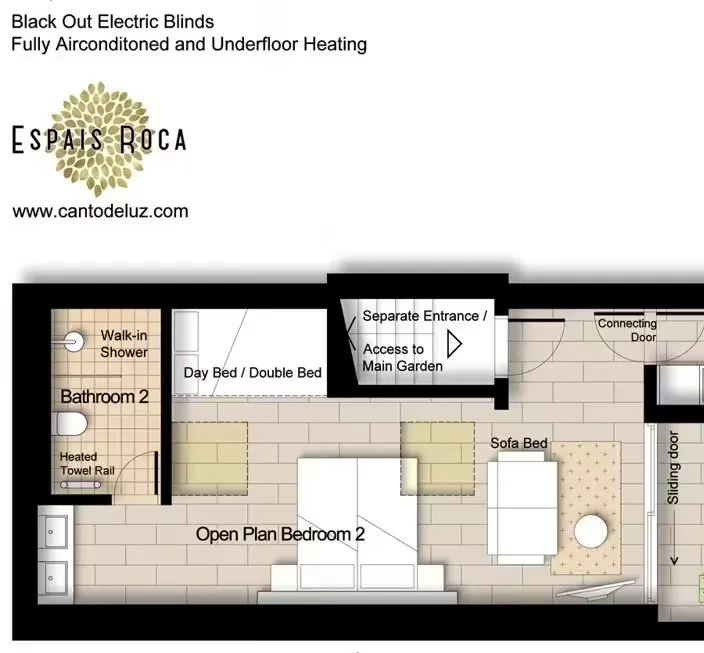
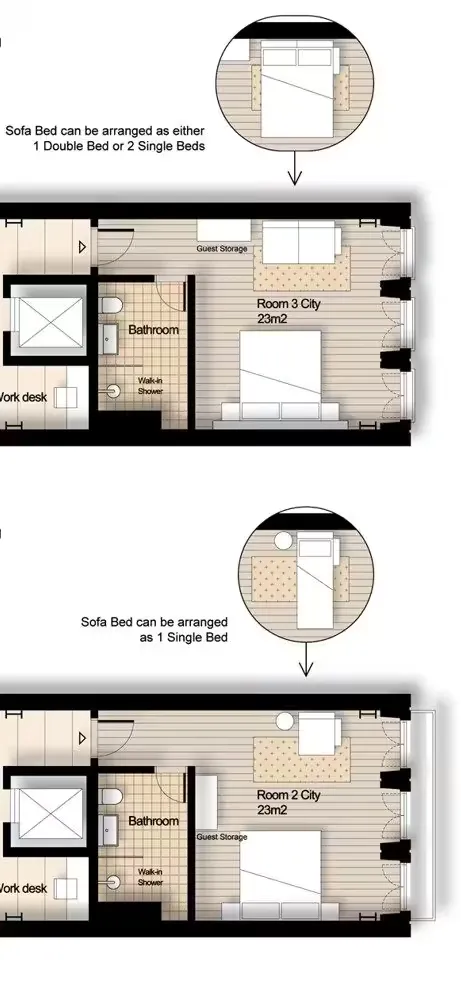
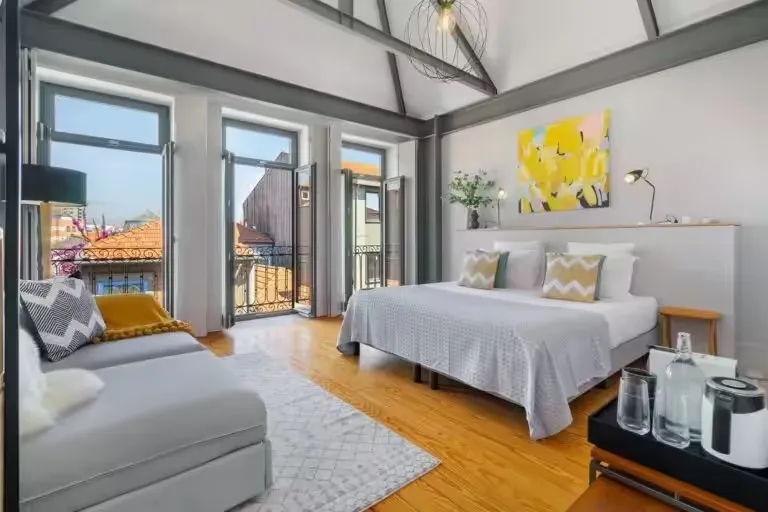
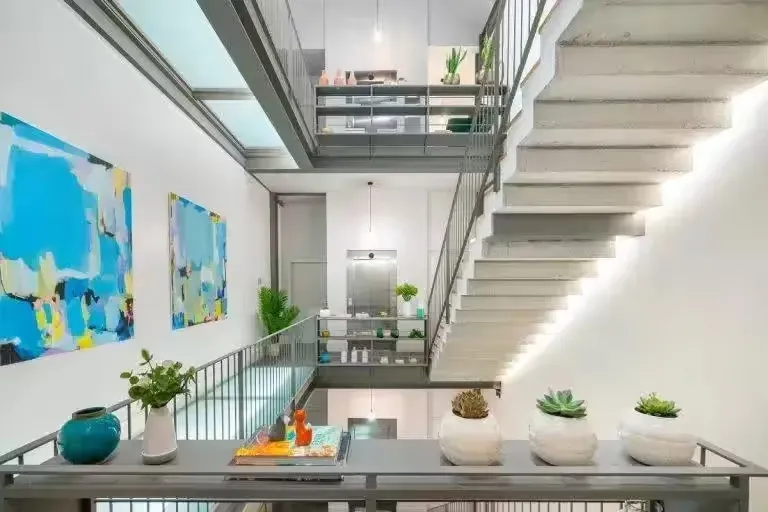
Canto de Luz is a beautifully restored boutique maison on Rua do Almada, with a heated outdoor pool, a daily-changing homemade breakfast and the Canto Cooking school on site. From €99 a night.
4. Café Santiago: a great bifana hidden behind the francesinha fame
Café Santiago is best known for its francesinha, but the bifana is one of the city’s great underrated sandwiches. Tender pork, properly seasoned, served on a fresh roll with a side of crisp chips for an extra euro or two. Lively dining room, Porto regulars at the next table, no reservations.
If you arrive at lunchtime, order a bifana while you wait for a francesinha table; the staff will not blink.
- Address: Rua de Passos Manuel 226, 4000-382 Porto
- Hours: Mon–Sat 12pm–10:45pm; closed Sundays
- Price: Bifana around €4–€5 with chips
- Walk from Canto de Luz: Approximately 9 minutes
- Tip: Bifana while waiting for a francesinha is the locals’ move
5. A Cozinha do Manel: the home-cooked sit-down version
A Cozinha do Manel is a proper traditional restaurant, away from the central queues, with a small dining room and grandmother-style cooking. Their bifana is grilled rather than simmered, served on a thick slice of country bread with a glass of vinho tinto. It is a quieter, sit-down version of the dish, better suited to an unhurried lunch than a quick counter stop.
Worth a 15-minute walk from the old town for a less touristy experience.
- Address: Rua do Heroísmo 215, Porto
- Hours: Tue–Sat 12:30pm–3pm and 7:30pm–10pm; Sun 12:30pm–3pm; closed Mondays
- Price: Around €7–€9 as a sit-down plate with sides
- Walk from Canto de Luz: Approximately 15 minutes
- Best for: A relaxed sit-down meal rather than a counter stop
How to order a bifana like a local
Porto bifana etiquette is simple but worth knowing. Walk in, head to the counter, catch the eye of whoever is running the bar, and order in three or four words.
- Uma bifana, por favor. — One bifana, please.
- Com mostarda or com piri-piri — with mustard, or with chilli sauce. Most locals say both.
- Para aqui means to eat here; para levar means to take away. Saying neither defaults to here.
- Pair it with a imperial (small Super Bock or Sagres beer) or a Sumol de laranja if you are not drinking.
- Eat at the counter standing up. Sitting down at a table is fine but it is the tourist move at most tascas.
- Total bill including a beer is usually €5–€6.
Take the bifana home: the marinade explained
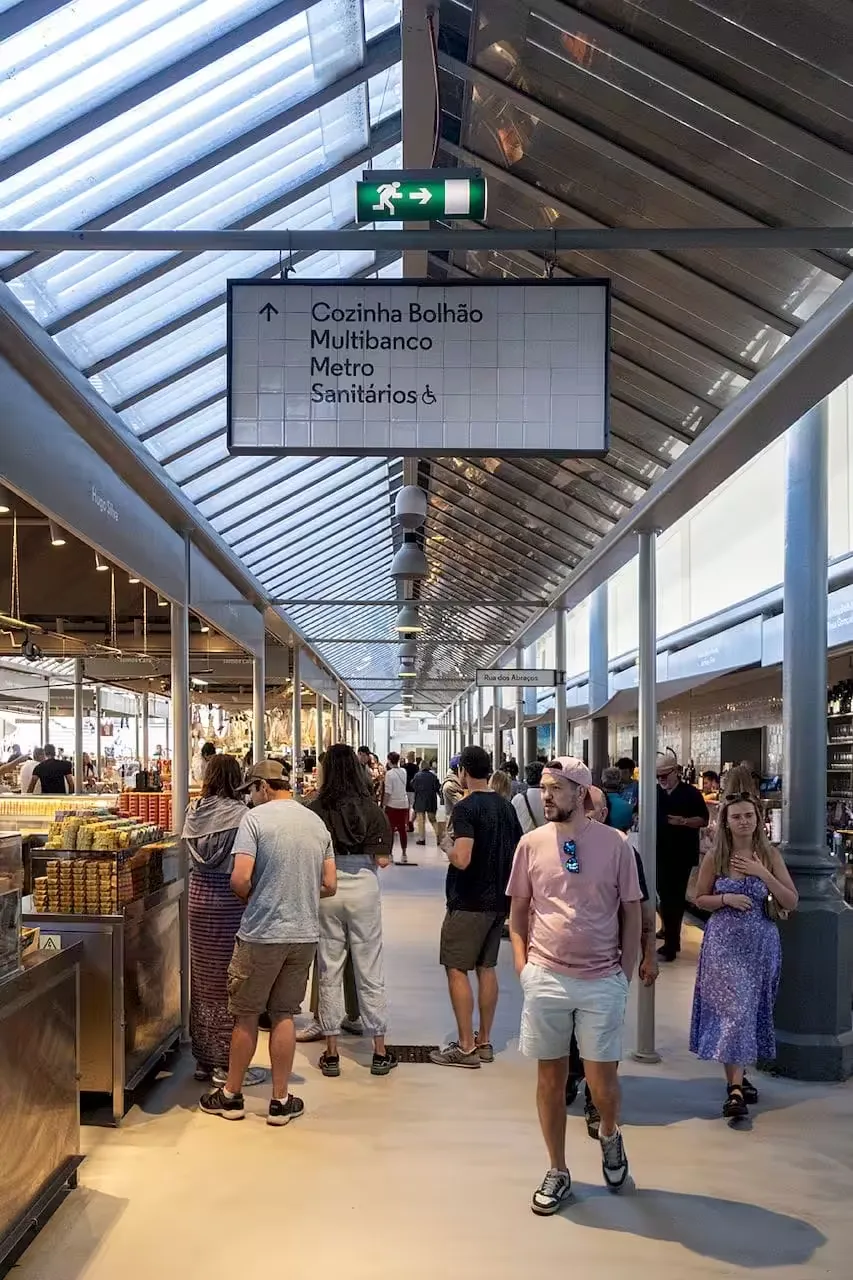
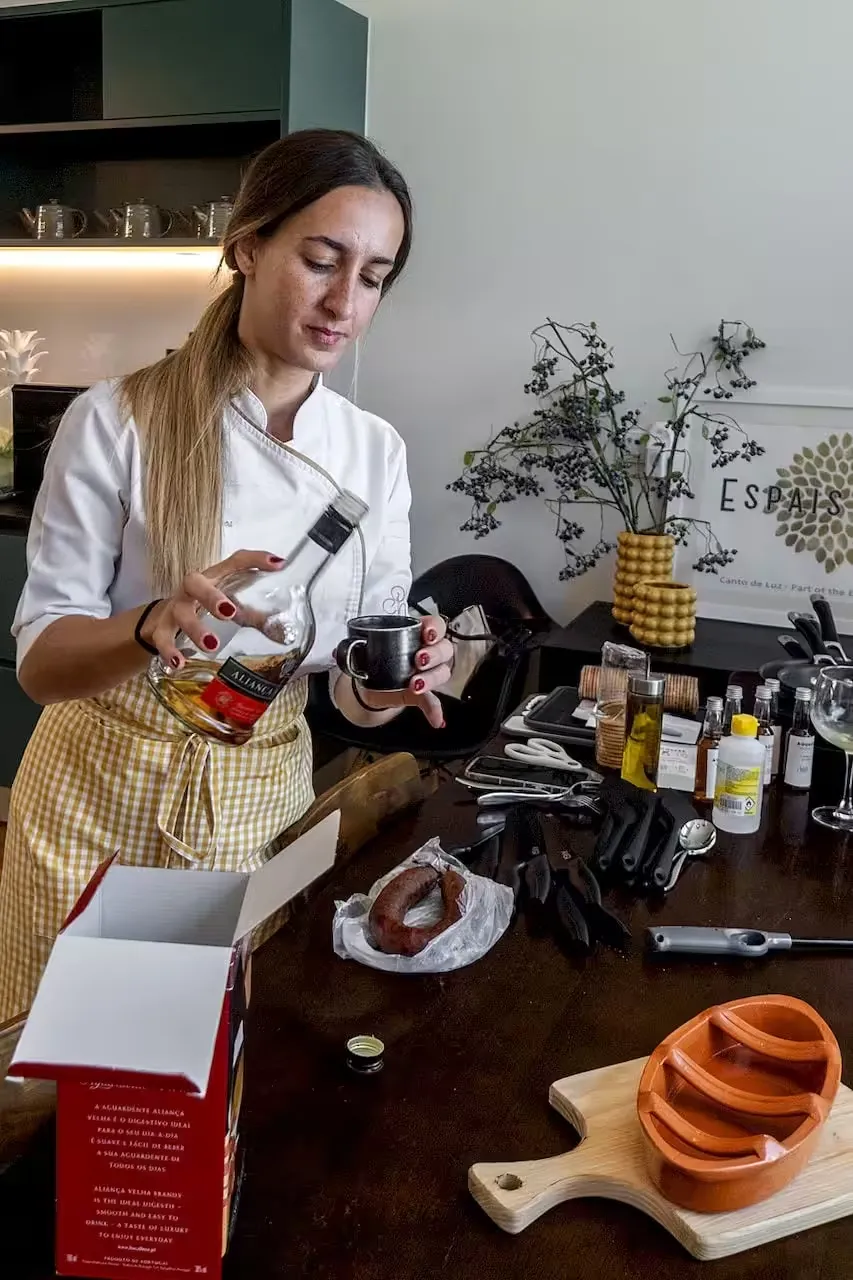
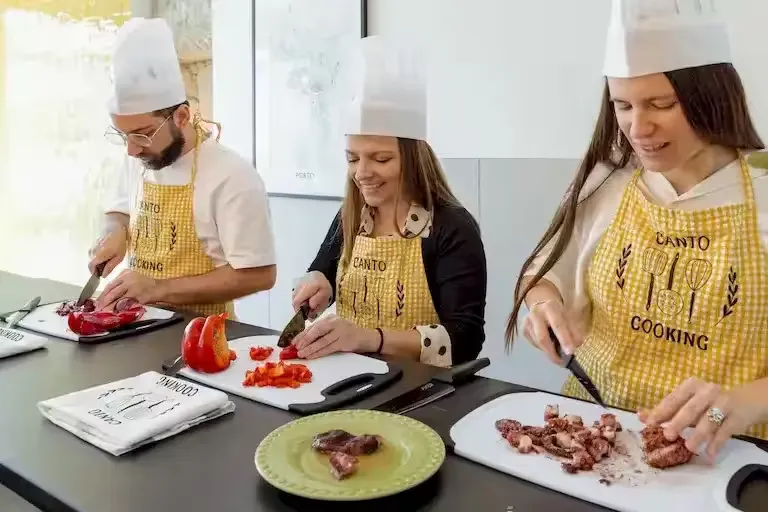
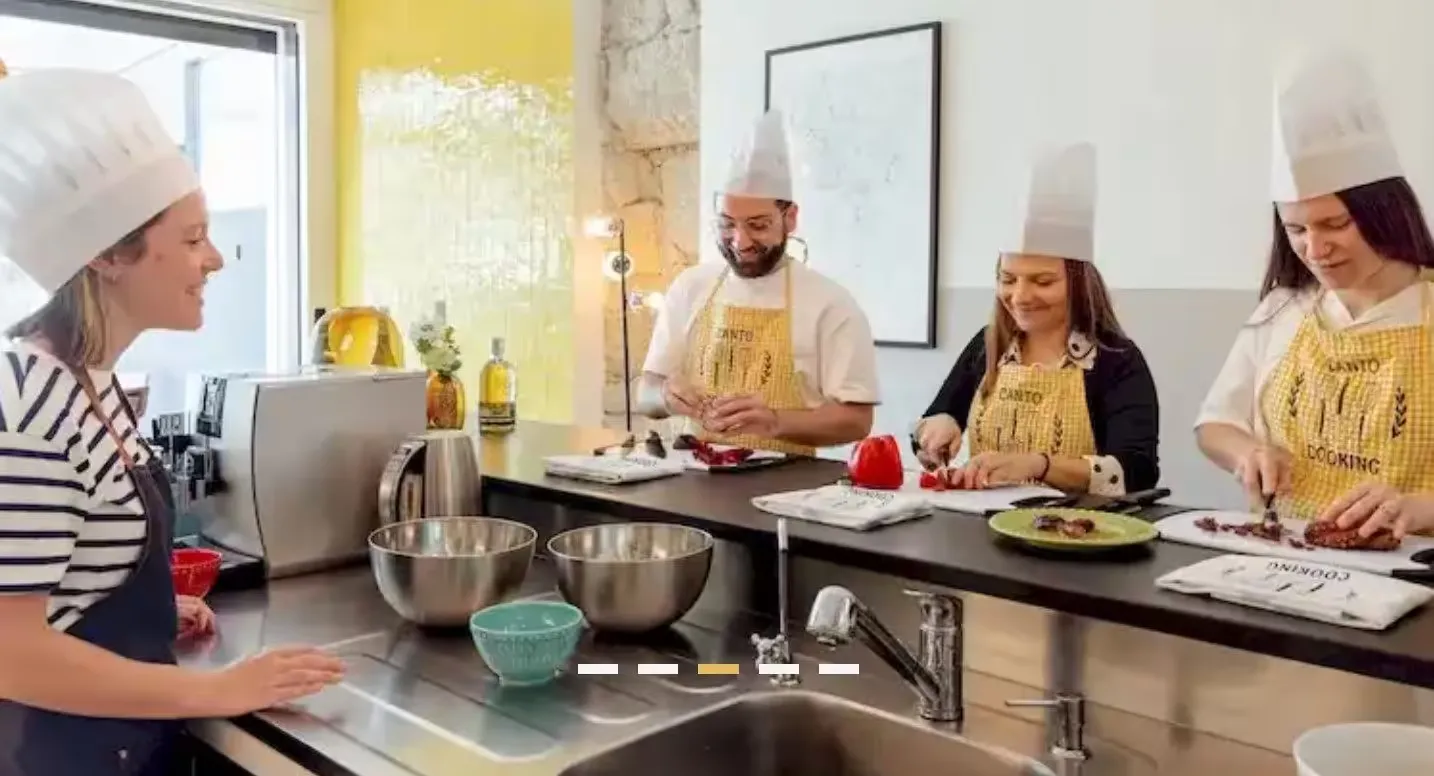
If a bifana wakes up your interest in Portuguese marinades and slow-cooked pork, the chef-led market tour and tapas class I host at Canto de Luz is the next step. The class starts at Mercado do Bolhão, where the chef walks you through how Portuguese cooks pick pork, garlic and paprika, then heads back to my kitchen at Canto de Luz where you cook a tapas lunch yourself with a glass of Douro Valley wine. You can also book it as part of a cooking school stay in Porto.
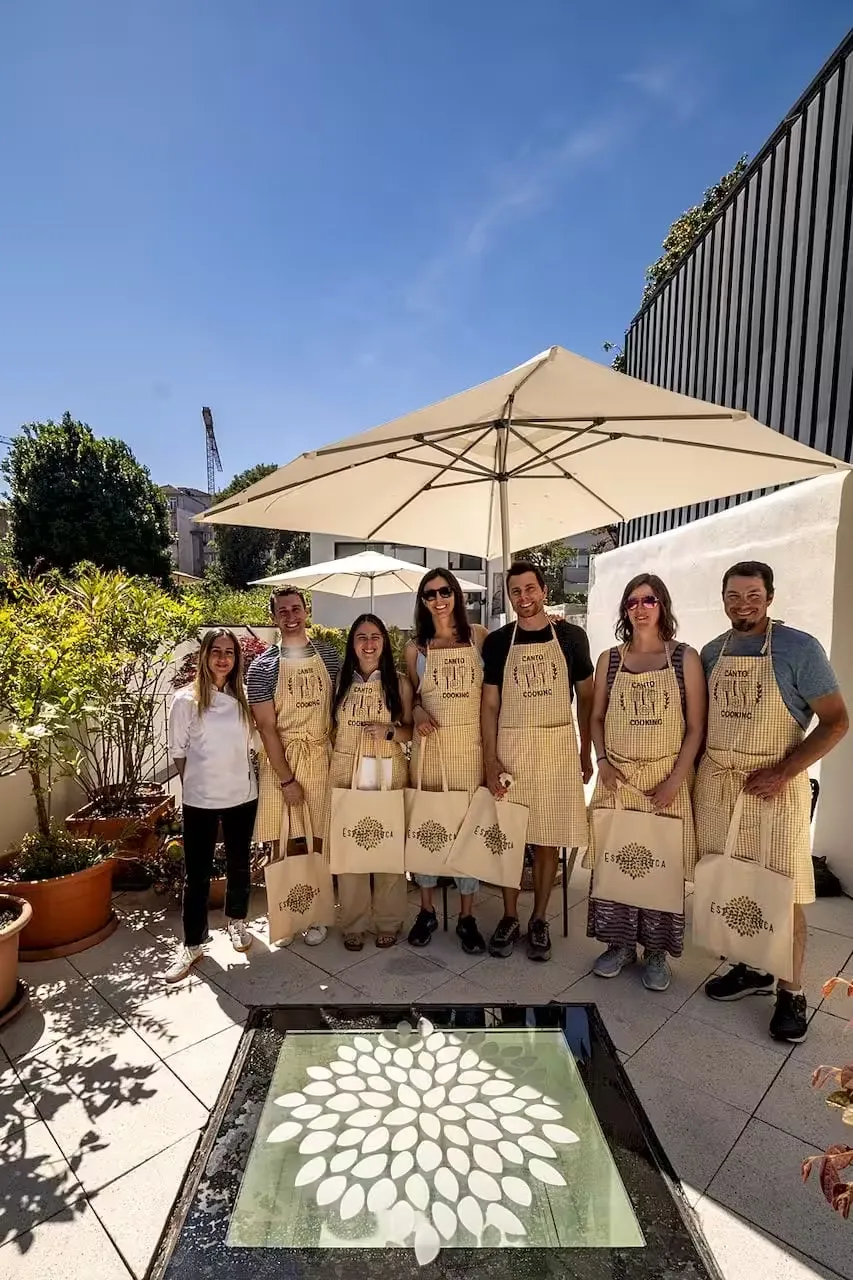
Groups are kept to six. You leave with a recipe pack including a proper bifana marinade and a small bottle of Portuguese aguardente. A portion of every ticket supports a Porto NGO working with people sleeping rough.
Cook the city for yourself with Canto Cooking
Join a chef-led market tour at Mercado do Bolhão followed by a hands-on Portuguese tapas class with Douro Valley wine, hosted in my kitchen at Canto de Luz. Small groups of six. Recipe pack included.

A note from Susan
“When new guests ask me where to find the “real” Porto food, I always answer with a bifana. It costs three euros, takes ninety seconds, and tells you everything about how this city eats: directly, generously, with garlic.”
More to explore in Porto
- Best Traditional Food in Porto: 7 Iconic Dishes to Try
- hands-on cooking class in Porto
- Mercado do Bolhão
- best bakeries in Porto
- top restaurants in Porto

“Lovely place. When you come through the front door, you’ll be happy to see that everything matches the gorgeous photos online. Zuzanna provided us with recommendations and a to-do list for our three day stay. We basically did everything she suggested! The ladies who host and cook for breakfast are the sweetest and great cooks! I cleaned my plate! You won’t regret staying here.”
— Nailah Anderson, via
Frequently asked questions
What is a bifana?
A bifana is a Portuguese sandwich of thin pork slices marinated in garlic, white wine and paprika, simmered or quickly fried, then served hot on a soft papo-seco bread roll. It is usually finished with mustard or piri-piri chilli sauce.
How much does a bifana cost in Porto?
A standard bifana costs around €3 to €4 at the spots covered here. A small beer adds about €1.50, so total is usually €5 to €6. Casa Guedes’ gourmet pernil sandwich runs higher, €5 to €7.
Bifana vs francesinha — what is the difference?
A bifana is a simple, marinated pork sandwich on a soft roll, usually eaten standing at a counter. A francesinha is a much heavier hot dish: layered cured meats and steak between bread, covered in melted cheese and a beer-tomato sauce, eaten with a knife and fork. They are different categories of food.
Where is the most famous bifana in Porto?
Conga – Casa das Bifanas on Rua do Bonjardim, in business since 1976, is the most often-cited choice. Its secret marinade and fast counter service have made it the city’s definitive bifana spot.
What should I drink with a bifana?
A small Super Bock or Sagres beer is the classic pairing because the bitterness cuts through the marinade. Sumol de laranja is the standard non-alcoholic choice. A small glass of vinho verde or a young Douro red also works.
Are there vegetarian bifanas?
Not traditionally, no. The bifana is fundamentally a pork sandwich. Some modern places offer mushroom or jackfruit alternatives, but if you want a vegetarian sandwich in Porto you are better off with a traditional francesinha vegetariana at a place like Vaccarum, or one of the daily specials at a vegetarian-friendly restaurant.
Do I need to know Portuguese to order one?
No. Most counter staff speak basic English, especially in the central spots. Knowing uma bifana, com mostarda, por favor is a polite touch and locals appreciate the effort.
Stay where the food is
Canto de Luz sits on Rua do Almada in Porto’s old town, walking distance to almost everything in this guide. Heated outdoor pool, daily-changing homemade breakfast, and the Canto Cooking school on site. From €99 a night.
Check availability