

Porto, Portugal’s vibrant second city, is celebrated for its historic charm, architectural beauty, and world‑famous food and wine. As you begin your journey through the city, one landmark stands out among the rest — the iconic São Bento train station. More than just a transportation hub, this stunning railway station is a living piece of history, famous for its intricate tilework and cultural significance. Whether you’re arriving in Porto by train, commuting within the city, or simply passing through, São Bento Station offers a uniquely immersive experience — and once you’re nearby, don’t miss exploring top places to eat and drink in Porto right now to complete your visit with a taste of the city.
Getting Around Porto by Train
Navigating Porto’s train network is easy when you understand the essentials. In this guide, we cover the key train stations in Porto, must-know tips for buying tickets, and when it makes sense to use the train versus renting a car. Our goal? Helping you travel smarter — whether you’re staying local or planning day trips beyond the city.
Should You Take the Train or Rent a Car?
If your trip keeps you within Porto, you won’t need a car. The city center is walkable, and public transport options like metro, buses, and Uber are reliable and affordable.
However, for day trips to nearby cities such as Braga, Guimarães, Aveiro, Coimbra, or even Lisbon, taking the train is often the most efficient and eco-friendly choice.
Planning to explore the Douro Valley, Amarante, or more remote regions? Renting a car might offer greater flexibility and access to scenic routes not served by train.
Main Train Stations in Porto
Porto is served by three primary train stations, each with its own role and location benefits:
- São Bento Train Station – Right in the city center, ideal for tourists and short regional trips.
- Campanhã Train Station – The main hub for long-distance and high-speed trains, with metro connections to São Bento.
- Vila Nova de Gaia Station – Serves the south bank of the Douro River and nearby towns.
1. Porto – São Bento
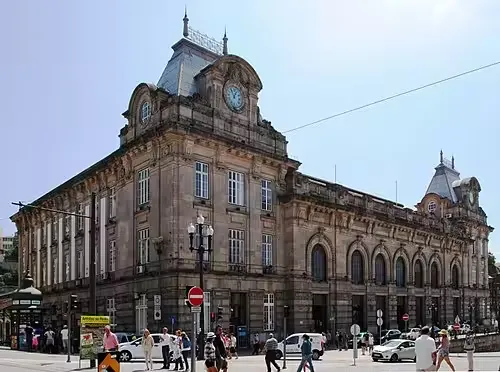
Opened in 1916, São Bento Train Station is more than just a place to catch a train—it’s a masterpiece of architecture and a cultural landmark in the heart of Porto. Located in the vibrant downtown district, São Bento puts you right in the middle of the city’s action. Whether you’re exploring nearby attractions or planning a regional day trip, this centrally located train station offers easy access to Porto’s most exciting destinations.
Where Can You Go from São Bento Station?
Planning to visit Guimarães, Braga, or the picturesque Douro Valley? São Bento is the ideal departure point for these unforgettable journeys. With several regional lines radiating out from the station, it’s a convenient gateway to northern Portugal’s charming towns and scenic landscapes—all within a couple of hours by train.
São Bento is especially convenient for tourists who want to stay close to Porto’s historic core. Its location near many top attractions, restaurants, and cultural landmarks makes it one of the most popular train stations in Porto.
When Not to Use São Bento Station
While São Bento excels for regional travel, it’s not the right station for long-distance routes. If you’re planning to travel to Lisbon, Spain, or destinations along the North or Minho Lines, you’ll need to transfer to Campanhã Train Station. Campanhã serves as Porto’s main hub for high-speed and intercity trains, with direct access to international and southern routes.
Travel Tip: You can easily get from São Bento to Campanhã in under 10 minutes via the urban train or metro—so planning your trip between stations is simple.
Exploring the Artistic Beauty of São Bento’s Iconic Azulejos: Porto’s Must-See Landmark
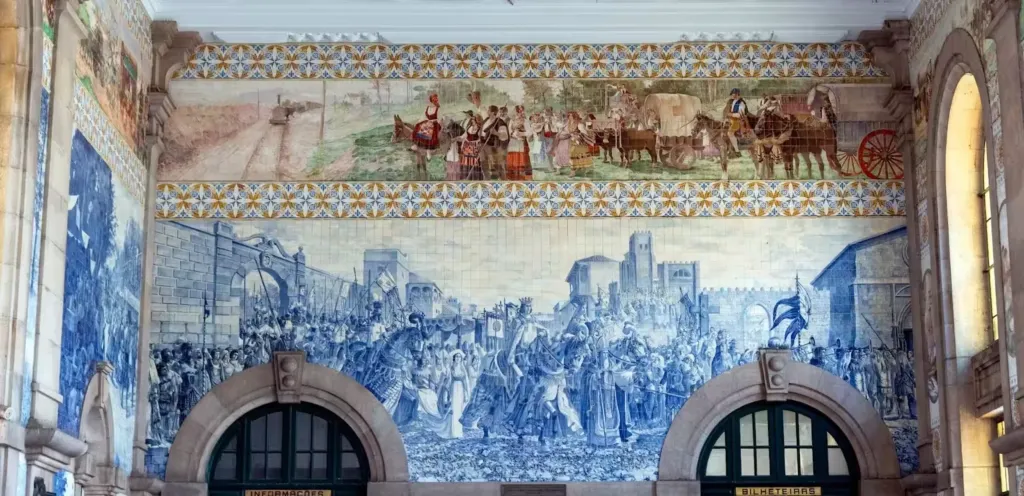
What truly sets São Bento Train Station apart is its breathtaking interior, featuring over 20,000 traditional Portuguese azulejos—blue-and-white ceramic tiles—that cover the main hall. These intricate murals depict key moments from Portugal’s history, such as the Battle of the Arcos, offering a visual journey through the country’s past. Even if you’re not catching a train, São Bento is worth a visit just to admire its artistic and architectural beauty.
This iconic train station serves several types of trains, including Regional, InterRegional, and Urban services. Regional trains are perfect for day trips to nearby towns, while InterRegional trains connect travelers to cities further afield. For local travel within Porto or short suburban commutes, Urban trains offer fast and frequent options.
With its ideal location, historical significance, and convenient connections, São Bento isn’t just a train station—it’s a cultural experience and a must-see stop for any visitor to Porto.
2. Porto-Campanhã
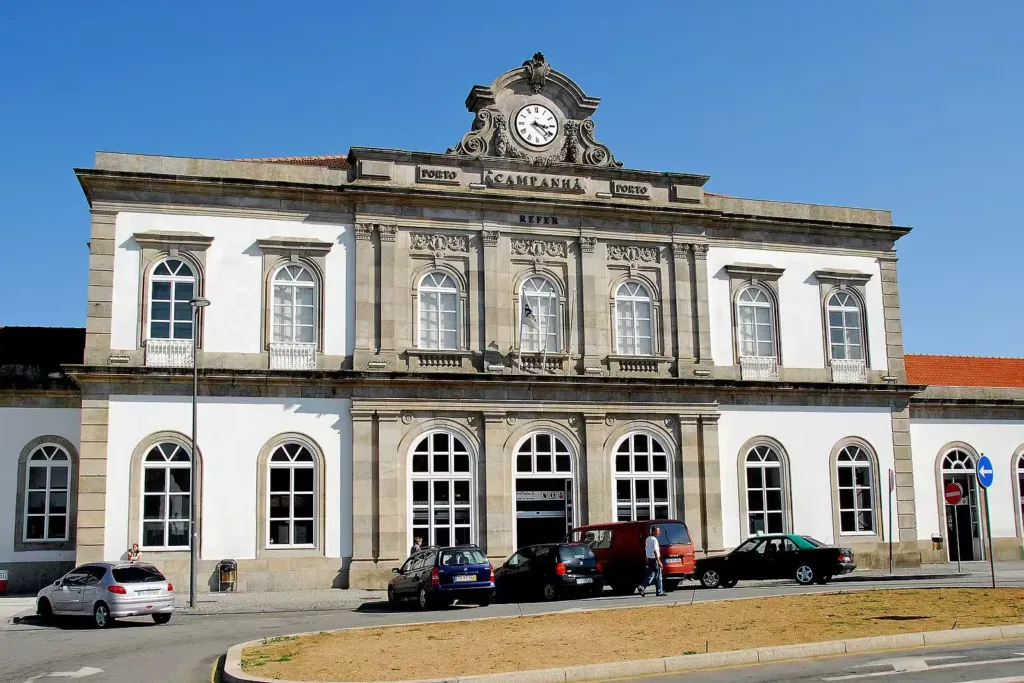
Located on the eastern side of Porto, Campanhã Train Station is one of the city’s busiest and most important transport hubs. Perfectly positioned with easy access to the city center, this major train station is where many long-distance routes begin or pass through. From high-speed trains arriving from Lisbon to international connections heading toward Spain, Campanhã links Porto to the wider Iberian Peninsula.
For travelers staying in the outer neighborhoods or the city’s northern and eastern districts, Porto-Campanhã offers unmatched convenience. It’s especially useful for those planning extended trips or arriving from afar. Designed for efficiency, the station moves at a fast pace—commuters and tourists alike navigate its platforms with purpose, catching their next train with minimal delay.
If you’re heading beyond Porto, Campanhã is the train station to know—streamlined, well-connected, and built for speed.
Connectivity
Campanhã Train Station is one of Porto’s best-connected transport hubs, making it easy to travel within the city and to destinations beyond. Fully integrated into Porto’s public transportation network, the station is served by multiple metro lines, city buses, and taxis. Metro Line A (Blue) offers a direct route between Campanhã and the city center, stopping at key points like Aliados and São Bento Train Station.
In addition to metro access, Campanhã is a major terminal for both regional and suburban trains, making it a smart choice for travelers exploring northern Portugal.
Located in the northern part of Porto, this train station is easily accessible from popular neighborhoods like Boavista, Matosinhos, and Foz. Whether you’re heading to the coast, the city center, or transferring to a long-distance route, Campanhã ensures a smooth and efficient travel experience.
Train Services
Porto-Campanhã serves as a major hub for a wide range of train services, offering both long-distance connections and local commuter routes, including:
Alfa Pendular:
Alfa Pendular offers a fast and comfortable high-speed connection between Porto and key cities like Lisbon and Coimbra. It’s the top choice for travelers looking for a smooth and time-saving ride along Portugal’s primary rail line.
Intercidades:
Intercidades trains provide comfortable and dependable travel to cities such as Braga, Aveiro, and Faro. Ideal for both business and leisure, they offer a smooth and efficient way to explore Portugal.
Regional Trains:
Regional trains connect Porto with smaller towns and cities across northern Portugal, offering a budget-friendly way to travel short distances to places like Vila Nova de Gaia, Espinho, and Póvoa de Varzim.
InterRegional:
InterRegional trains link mid-distance destinations throughout Portugal, offering convenient service between major cities and smaller towns. They’re a great option for travelers venturing beyond Porto’s main urban centers.
Urban Trains:
Porto-Campanhã is also a key hub for urban train lines that link the city with nearby municipalities such as Maia, Valongo, and Gondomar. As part of the Porto metropolitan rail network, these routes offer a convenient way for both commuters and visitors to navigate the greater Porto region.
Additional Features and Services
Porto-Campanhã is designed to make your journey as smooth and comfortable as possible. The station features a selection of shops, cafés, and restaurants—perfect for grabbing a quick snack or enjoying a relaxed meal before departure. Travelers can also take advantage of on-site luggage storage and a staffed ticket office for ticket purchases and pickups.
For those continuing their journey beyond Porto, Campanhã is well-connected to other transport options, including intercity buses, taxis, and even the city’s historic tram network. These connections make it a convenient hub for both short trips and extended travel across Portugal and beyond.
In short, Porto-Campanhã stands as the city’s key railway terminal for regional and long-distance travel. Whether you’re heading south to Lisbon, discovering the north of Portugal, or venturing into Spain, the station provides the connectivity, services, and comfort needed for a hassle-free experience.
3. Vila Nova de Gaia – Devesas

Vila Nova de Gaia-Devesas is the oldest station among Porto’s key rail hubs, dating back to 1863. Located in the center of Vila Nova de Gaia—just across the Douro River from Porto—Devesas holds both historical and logistical importance for the region. While it’s not as centrally placed as São Bento or Campanhã, its heritage and strategic position still make it an essential stop for both residents and travelers.
History and Significance
Vila Nova de Gaia-Devesas, the region’s oldest station, is rich in heritage and has played a pivotal role in shaping northern Portugal’s rail network. Positioned along the vital North Line, it continues to provide key connections to major destinations like Lisbon and beyond, maintaining its relevance in Porto’s broader transportation system.
Although São Bento is the more popular choice for central Porto travelers, Devesas offers a strategic advantage for those based in Vila Nova de Gaia or heading south. Its direct access to the North Line makes it a convenient option, allowing travelers to bypass the city center while still enjoying efficient connections.
Location and Accessibility
Situated in Vila Nova de Gaia, this station is easily accessible for those staying in Gaia or nearby neighborhoods. Its close proximity to the scenic Douro River waterfront means travelers can reach it with a pleasant stroll along the river or from nearby landmarks. For guests lodging near Gaia’s renowned wine cellars or around Cais de Gaia, the station offers a practical and efficient departure point for further travel.
When it comes to local transportation, Vila Nova de Gaia-Devesas is well-served. It’s connected by several local bus lines and lies within easy reach of Gaia’s metro system. Taxis are also readily available, ensuring smooth access to and from the station across the city and surrounding regions.
Train Services
Vila Nova de Gaia-Devesas functions as a key terminus for several major train services, making it an accessible and strategic departure point for travel across Portugal. Services include:
- Alfa Pendular: Offering high-speed service to Lisbon and other major cities along Portugal’s main north-south axis, Alfa Pendular trains provide a swift and comfortable ride. Departing from the more relaxed Devesas station, they’re a great alternative to the busier São Bento hub.
- Intercidades: These long-distance trains connect Vila Nova de Gaia with important destinations such as Coimbra, Aveiro, and Faro. Perfect for travelers exploring beyond Porto, Intercidades offers a smooth and dependable journey across the country.
- Regional Trains: Ideal for reaching nearby northern towns and cities, these trains link Porto with places like Vila do Conde, Espinho, and Póvoa de Varzim. They’re a great option for travelers wanting to explore more of the local coastal or inland regions.
- InterRegional: Bridging the gap between major cities and smaller towns, InterRegional trains provide comfortable and budget-friendly service to destinations like Guimarães and others across the north. They’re perfect for travelers seeking a balanced travel option.
- Urban Trains: Part of Porto’s suburban rail network, Urban trains departing from Devesas offer quick and economical access to the greater Porto area. Whether you’re commuting or sightseeing nearby, these trains make getting around easy and efficient.
Amenities and Services
Though rich in history, Vila Nova de Gaia-Devesas station is well-equipped with modern facilities designed to offer travelers a comfortable and convenient experience. From ticket counters and cozy waiting areas to a modest selection of shops and cafés, the station ensures everything you need for a relaxed journey is close at hand. While it may be smaller than Porto’s larger terminals, Devesas delivers all the essentials for a smooth and hassle-free departure.
Porto Train Routes: Exploring the City’s Main Railway Lines & Destinations
Porto’s rail system is impressively interconnected, with seven primary train lines that extend throughout Portugal and even reach into Spain. Whether you’re venturing to the medieval charm of Guimarães, the scenic Douro Valley vineyards, or the cultural centers of Lisbon and Vigo, there’s a route tailored for your travel plans. Here’s a breakdown of each line, its main stops, and the highlights that make each journey special.
1. Minho Line: Gateway to Northern Portugal & Spain
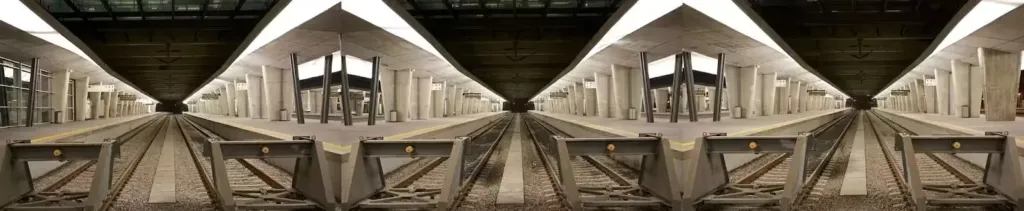
Duration: Porto to Vigo, Spain – Approx. 6 hours (with potential train changes)
Stops Worth Visiting: Barcelos, Viana do Castelo
Departs From: Porto-Campanhã
The Minho Line is an ideal route for those eager to discover Portugal’s northern coast. In less than three hours, it takes you to Viana do Castelo, a coastal gem known for its beautiful beaches, rich history, and the vibrant Neopop Festival. For those looking to venture farther, the line continues all the way to Vigo, Spain, offering a convenient cross-border travel option.
2. Douro Line: The Scenic Route Through Portugal’s Wine Country
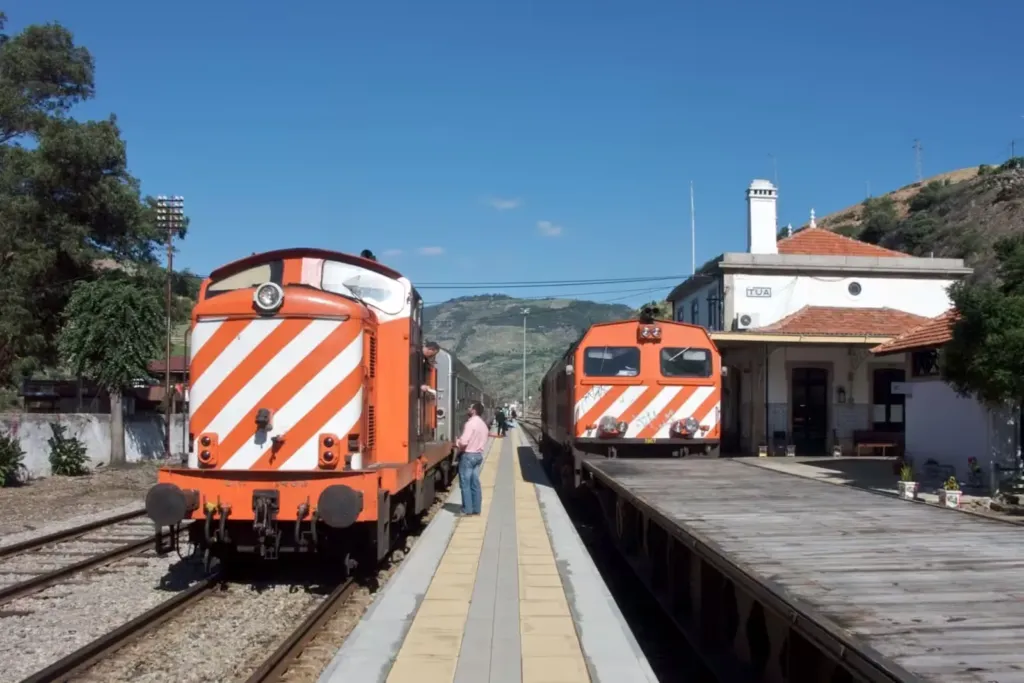
Duration: Porto to Pocinho – Approx. 3 hours 30 minutes
Stops Worth Visiting: Penafiel, Marco de Canaveses, Régua, Pinhão, Tua
Departs From: Porto-São Bento, Porto-Campanhã
This route delivers one of Portugal’s most scenic rail experiences, tracing the Douro River through the heart of the iconic Douro Valley wine region. Stops like Régua and Pinhão are highlights, inviting travelers to tour vineyards, enjoy river cruises, and savor the region’s famous Port wine.
3. Braga Line: Fast & Easy Travel to Portugal’s Religious Capital
Duration: Porto to Braga – Approx. 1 hour 20 minutes
Stops Worth Visiting: Trofa, Famalicão, Braga
Departs From: Porto-São Bento, Porto-Campanhã
Braga, renowned for its deep historical roots and religious landmarks, is just a short ride from Porto—perfect for a day trip. Discover the iconic Bom Jesus do Monte, wander through the picturesque old town, and immerse yourself in the energy of one of Portugal’s liveliest cities.
4. Guimarães Line: A Journey to Portugal’s First Capital
Duration: Porto to Guimarães – Approx. 2 hours
Stops Worth Visiting: Vizela, Guimarães
Departs From: Porto-São Bento, Porto-Campanhã
Guimarães, known as the birthplace of Portugal, offers a scenic train journey through the countryside before welcoming you to its enchanting medieval atmosphere. Don’t miss a visit to Guimarães Castle and the beautifully preserved historic center, both recognized as UNESCO World Heritage Sites.
5. Caíde / Marco de Canaveses Line: Exploring Portugal’s Countryside
Duration: Porto to Marco de Canaveses – Approx. 1 hour 30 minutes
Stops Worth Visiting: Vila Meã, Marco de Canaveses
Departs From: Porto-São Bento, Porto-Campanhã
This rail route journeys through Portugal’s scenic countryside, ending in Marco de Canaveses—the hometown of legendary Portuguese-Brazilian singer Carmen Miranda, who earned a star on Hollywood’s Walk of Fame. The area also boasts picturesque landscapes and charming traditional architecture.
6. Aveiro Line: Discover Portugal’s “Venice”
Duration: Porto to Aveiro – Approx. 1 hour 20 minutes
Stops Worth Visiting: Miramar, Ovar, Canelas, Aveiro
Departs From: Porto-Campanhã, Vila Nova de Gaia-Devesas
The Aveiro Line is perfect for those looking to explore the charming town of Aveiro, often dubbed the “Venice of Portugal.” Known for its vibrant Moliceiro boats, stunning Art Nouveau buildings, and the beloved local sweet ovos moles, this route offers a laid-back escape with plenty of visual and cultural delights.
7. North Line: The Fastest Route to Lisbon & Beyond
Duration: Porto to Lisbon – Approx. 3 hours
Stops Worth Visiting: Aveiro, Coimbra, Santarém, Lisbon
Departs From: Porto-Campanhã, Vila Nova de Gaia-Devesas
The North Line is Portugal’s primary railway artery, linking Porto with Lisbon and extending even further. Along the way, passengers can stop in Coimbra, renowned for its historic university, before continuing south to Lisbon. From Lisbon, international connections like the Sud Expresso make it easy to travel onward into Spain and France.
Choosing the Right Train in Portugal: A Traveler’s Guide
Portugal’s rail network offers a variety of train types, each catering to different travel needs. Whether you’re commuting between major cities or discovering charming local towns, understanding the available services can help you make the most of your journey. Here’s an overview of the main train categories and how to book them.
Intercidades (IC) – Comfortable Long-Distance Travel
Intercidades trains connect key cities like Lisbon, Porto, Braga, and Guimarães, offering a reliable and comfortable option for long-distance trips. Onboard amenities include spacious seating, free Wi-Fi, and a buffet bar.
If you’re cycling through Portugal, IC trains allow one bicycle per passenger, with designated racks in second-class coaches (limited to two bikes per carriage).
Alfa Pendular (AP) – Premium High-Speed Rail
The Alfa Pendular is Portugal’s flagship high-speed service, linking major urban centers such as Braga, Porto, Coimbra, and Lisbon. These trains feature onboard meals, cafeterias, Wi-Fi, entertainment, and restrooms.
Upgrade to Conforto Class (First Class) for added benefits like complimentary drinks, reading material, earplugs, power outlets, and access to the CP Lounge at Lisbon Oriente Station.
Do note: While these trains are marketed for speed, delays are not uncommon, and the tilting motion of the train may cause discomfort to those prone to motion sickness. Bicycles must be dismantled and packed as luggage before boarding.
Regional & InterRegional (R, IR) – Scenic and Slower Routes
Regional and InterRegional services are perfect for those who want to explore Portugal’s countryside and smaller towns. Though slower than high-speed trains, they offer a more relaxed pace and often serve less-touristy destinations. Routes connect cities like Lisbon, Porto, and Coimbra while making multiple stops along the way.
Urbanos (U) – Local Commuter Lines
Urban trains serve short-distance routes within metropolitan areas like Porto and Lisbon. They’re a convenient and budget-friendly option for day trips to nearby towns such as Aveiro, Braga, Marco de Canaveses, and Guimarães.
Urbanos trains also allow free bicycle transport (one per person). If you’re starting from São Bento Station and traveling beyond the Porto area, you may need to transfer at Campanhã Station.
Internacional (INC) – Cross-Border Travel
For those looking to venture beyond Portugal, international trains offer limited but valuable connections. One key route runs from Porto to Vigo, Spain, providing a scenic and seamless cross-border experience.
How and Where to Buy Train Tickets in Portugal
1. Online Booking – The Most Convenient Option
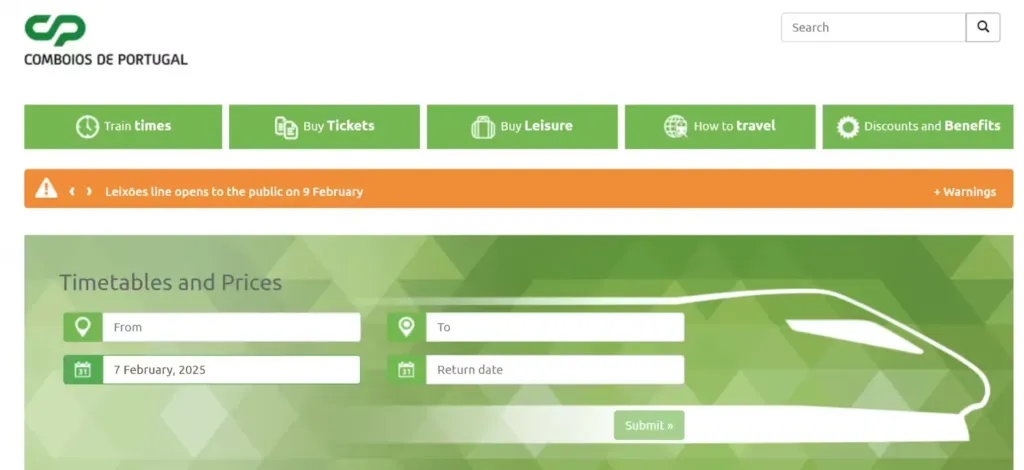
Train tickets can be easily purchased online through the Comboios de Portugal (CP) official website or their mobile app. To get started, you’ll need to create an account by entering your name, date of birth, and travel details. You can also add a phone number to receive your ticket via SMS.
If you’re traveling with family, there’s no need for multiple accounts—just add family members under your profile for convenience.
Payment options include PayPal, credit cards, and debit cards. As for ID verification, both passports and driving licenses are generally accepted when requested.
2. Mobility Center at São Bento Station
If you’d rather speak to someone in person, visit the Centro da Mobilidade (Mobility Center) at São Bento Station. You’ll find it to the right of the main entrance. The center provides ticket sales, metro and bus passes, and helpful information on navigating public transport.
3. Ticket Vending Machines – Quick and Easy
All train stations in Porto are equipped with automated ticket machines, easily recognizable by the green Comboios de Portugal logo. These machines accept cash, coins, and debit cards, making ticket purchases quick and convenient.
If you’re traveling between Campanhã and Espinho, you can also use your Andante card—the same card used for Porto’s metro and bus systems.
4. Comboios de Portugal Ticket Offices
Staffed ticket offices are available at all major train stations in Porto, where you can buy train tickets and get travel assistance. These offices are easily identified by a green Comboios de Portugal banner. Keep in mind, however, that they only sell train tickets—metro and bus tickets must be purchased separately.
Final Tips for Traveling by Train in Portugal:
- Book ahead – Especially for Alfa Pendular and Intercidades services, where early reservations can unlock discounted fares.
- Double-check schedules and platforms – Timings can vary, and certain trips may require transfers.
- Validate before boarding – On Urban trains, always validate your ticket at the machine before getting on.
- Watch for delays – Despite being marketed as high-speed, Alfa Pendular trains can experience delays, so build in some flexibility.
- Take the scenic route – Lines like the Douro and Minho offer some of the most beautiful train journeys in the country.
With a clear understanding of Portugal’s train services and booking options, you’ll be well-prepared to enjoy a smooth, scenic, and efficient travel experience—whether you’re bound for Lisbon, exploring the Douro Valley, or venturing into Spain.
Book Your Hotel in Porto
Experience Boutique Luxury at Canto de Luz, Porto
Nestled in the heart of Porto, Canto de Luz Boutique Hotel offers an elegant escape combining refined French hospitality with sleek, modern design. Following a meticulous five-year restoration, this serene guesthouse now includes:
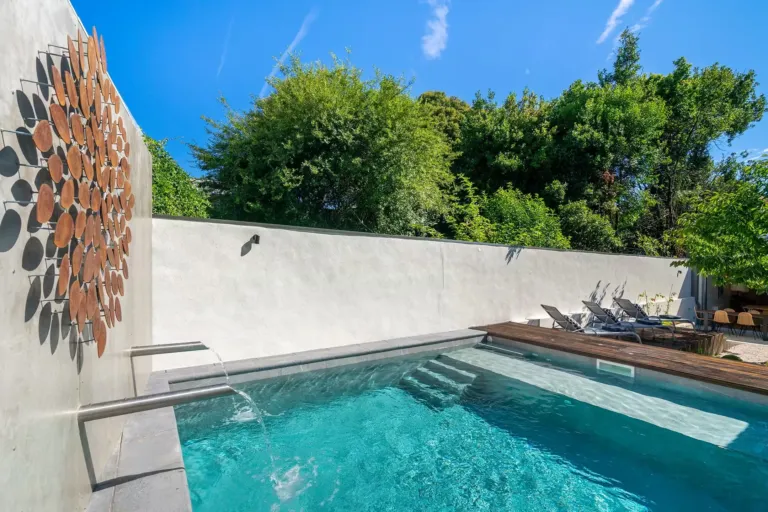
Villa Almada – A stylish private two-bedroom villa with its own pool
Duplex Garden Villas – One-of-a-kind, one-bedroom retreats with private patios
Heated Saltwater Pool – Perfect for year-round relaxation
Signature Organic Breakfast – Made fresh daily with locally sourced ingredients
Though just steps away from Porto’s main attractions, Canto de Luz remains a peaceful sanctuary from the city’s energy. All rooms are thoughtfully equipped with Samsung Art TVs, Netflix, Nespresso machines, air conditioning, and luxury Rituals toiletries for an indulgent stay.
Why Stay at Canto de Luz?
- Intimate boutique atmosphere with contemporary elegance
- Central yet calm location in the heart of Porto
- Renowned organic breakfast, made fresh every morning
- Exclusive villas and private garden hideaways
Book your stay today and discover the perfect blend of comfort, style, and tranquility in Porto!