

Porto, Portugal’s second-largest city, is not only famed for its rich history, stunning architecture, and vibrant culture but also for its highly efficient and accessible Porto Public Transport system. Navigating this picturesque city is made effortless through its metro, bus, tram, and bike-sharing services, each designed to cater to both locals and tourists. Whether you’re exploring the bustling city center, visiting historical landmarks, or traveling to the scenic coast, Porto’s public transport system offers a seamless and affordable way to get around.
This essential guide explores the ins and outs of Porto’s public transport, providing you with all the information you need to make the most of your travels across the city. From the metro’s extensive reach to the scenic trams and funiculars, let’s dive into the public transport modes available for easy travel in Porto.
For art and culture enthusiasts, Porto’s public transport will also take you to some of the city’s finest museums and galleries. If you’re interested in exploring Porto’s vibrant artistic scene, check out our guide on The Best Museums and Galleries in Porto, where you’ll find some must-visit spots that are easily accessible by public transport.
1. Porto Metro: Fast, Convenient, and Modern

Porto’s metro system, which began operation in 2002, is widely regarded as one of the most efficient public transport systems in Portugal. With six different lines connecting the city center to suburbs and neighboring towns, the metro offers fast, affordable, and comfortable travel options. The metro is particularly ideal for visitors who need to cover larger distances or travel to more remote parts of the city quickly.
Metro Lines and Coverage
Porto’s metro system comprises six primary lines, each of which is color-coded and has a specific set of stations and routes:
- Line A (Blue): This is the oldest and longest line of Porto’s metro, running from Estádio do Dragão, home to FC Porto, in the eastern part of the city to Senhor de Matosinhos in the west, close to the beach. It serves many of Porto’s commercial districts, residential areas, and public spaces, making it ideal for tourists.
- Line B (Red): This line connects Póvoa de Varzim, a coastal town in the north, with Trindade station in the city center, passing through important locations like Campanhã (Porto’s central train station). Line B provides easy access to the suburbs and connects key cultural landmarks in the city.
- Line C (Green): Starting from the northern neighborhoods, Line C heads south toward the Campanhã station. It is the shortest line but provides vital connections to the central hub for travelers looking to transition to other lines.
- Line D (Yellow): Running from Hospital de São João in the northeast to the Oporto Campanhã station, Line D is important for commuters, as it connects both residential areas and transportation hubs. This line passes through some of the key historical and cultural areas of Porto, including São Bento station, which is famous for its ornate blue-and-white tile murals.
- Line E (Purple): Known as the airport line, it connects São Bento and Trindade to Porto Airport (Francisco Sá Carneiro Airport). For tourists arriving in Porto, this line is crucial as it offers a direct and quick link to the airport.
- Line F (Orange): The newest addition to Porto’s metro system, Line F extends from Campanhã station and is currently under construction. Once completed, it will further expand the metro network’s coverage and accessibility.
These lines connect various parts of Porto with surrounding suburban areas, making it easier for both locals and tourists to navigate the city.
Metro Stations and Accessibility

Porto’s metro stations are equipped with modern amenities, ensuring ease of access for all passengers, including those with mobility issues. Most stations are wheelchair accessible and include elevators and escalators. Large signs in multiple languages are visible throughout the stations, making it convenient for non-Portuguese-speaking tourists.
The most notable metro stations in Porto are:
- São Bento: Famous for its historic tiles, this central station connects multiple metro lines and is located near several key attractions, such as Porto Cathedral and Ribeira.
- Trindade: This station acts as a central interchange for several metro lines, making it a key hub in the city.
- Campanhã: A major transport center, connecting metro, train, and bus services. It is ideal for visitors traveling in from other parts of Portugal or abroad.
- Estádio do Dragão: Home to FC Porto, this station is located near the city’s stadium and provides easy access to one of Porto’s most iconic venues.
Ticketing and Pricing
Metro tickets in Porto are affordable, with prices based on the number of zones you travel through. The pricing structure works on a zone-based system, where a single journey typically costs between €1.20 to €2.50.
To make traveling easier, the Andante card is a rechargeable smart card that works for metro, bus, and tram travel. This card can be reloaded at any metro station or via vending machines located around the city. Prices for Andante cards start at around €0.60 for the card itself, with top-up amounts for your travel.
If you’re staying in Porto for a few days, consider getting an Andante Tour card, which offers unlimited travel on the metro and buses for a specific number of days, starting from €6.00 for a 24-hour pass.
If you want details about Porto Metro Explore: Porto Metro Map: A Complete Guide to Navigating Porto’s Public Transportation System
2. Porto Buses: Connecting the City and Suburbs

While the metro is excellent for covering long distances, Porto’s bus system plays a crucial role in reaching areas that aren’t well-served by the metro. With a fleet of over 300 buses, the city’s bus network is extensive and connects the city center to neighborhoods, suburban areas, and even nearby towns.
Bus Routes and Coverage
The bus system in Porto is operated by STCP (Sociedade de Transportes Colectivos do Porto) and features various routes, each of which serves different parts of the city and suburbs.
- Central Routes: Buses running through the city center serve popular destinations, including Aliados Avenue, Ribeira, São Bento, and Foz, offering easy access to the main shopping streets, tourist areas, and cultural hubs.
- Suburban Routes: STCP buses also serve the outlying areas and neighboring towns such as Matosinhos, Vila Nova de Gaia, and Matosinhos, making it possible to explore the outer districts without relying on taxis or rental cars.
- Night Buses: Porto’s night buses provide service when the metro and regular bus services are no longer running. With 13 routes, the night buses cover key areas, ensuring that travelers can get back to their accommodation at any hour.
- Tourist Buses: These buses are designed specifically for tourists, providing hop-on-hop-off services that connect the main tourist attractions in Porto. These buses are a great way to get a panoramic view of the city while visiting landmarks such as Palácio da Bolsa, Livraria Lello, and Casa da Música.
Bus Ticketing and Pricing
Buses accept both single-journey tickets and multi-ride passes, which can be purchased at ticket vending machines, metro stations, or directly from the bus driver. The price for a single journey typically costs around €1.20 for regular routes. If you’re traveling frequently, the Andante card can also be used for bus travel, making it convenient and cost-effective.
If you’re planning to visit several tourist attractions, the Andante Tour card may be a good option, as it offers unlimited travel on both the metro and buses for a fixed number of days.
3. Porto Trams: A Journey Through History

The tram system in Porto is not only a way of getting around but also a unique historical experience. Porto has several vintage trams that have been in operation since the late 19th century, offering a nostalgic view of the city as you travel through its iconic streets.
Tram Routes and Coverage

There are three main tram routes in Porto:
- Line 1 (Ribeira – Foz): This tram runs along the scenic Douro River, from the Ribeira district in the city center to the Foz area, where the river meets the Atlantic Ocean. The route offers stunning views of Porto’s historic waterfront and famous landmarks like Dom Luís I Bridge and the Porto Cathedral. This tram line is the most popular for tourists due to its picturesque nature.
- Line 18 (Batalha – Infante): This is a shorter route but still takes you through several historical areas of Porto, including the Batalha district and Infante. This tram is ideal for those interested in seeing some of the city’s lesser-known but equally beautiful neighborhoods.
- Line 22 (Carreira 22): This modern route links the historic center with other major tourist attractions such as São Bento station, Ribeira, and Cais da Ribeira, providing an easy connection to key areas of interest.
Tram Ticketing and Pricing
Tram rides in Porto typically cost around €3.50 per journey. You can purchase tickets from the tram conductor or use the Andante card to access trams. While the tram is more expensive than the bus or metro, the experience of traveling through Porto’s charming streets and taking in the views of the Douro River makes it worth the cost.
4. Uber: Convenient and Affordable Travel in Porto

Uber is one of the most popular ride-hailing services available in Porto, offering a convenient and affordable way to get around the city. Whether you’re heading to the airport, exploring Porto’s historic neighborhoods, or simply need a quick ride, Uber provides an easy-to-use solution for both locals and visitors.
Why Choose Uber in Porto?
- Transparent Pricing: Uber offers fixed, upfront pricing, so you know exactly what you’ll pay before you even get in the car. This eliminates the uncertainty that can sometimes come with taxi fares, ensuring you avoid surprise charges.
- Convenient Booking: With the Uber app, you can book a ride with just a few taps on your smartphone. No need to hail a taxi or wait for a ride at a taxi stand—Uber drivers come directly to you.
- No Cash Needed: Payments are made directly through the app, which means you don’t need to worry about carrying cash or exchanging currency during your trip.
- Safety and Comfort: Uber drivers in Porto undergo background checks, ensuring a safe and comfortable journey. You can also choose from different vehicle types, including larger vehicles for group travel.
Uber Fares in Porto
- Short Rides within the City Center: Rides within Porto’s city center typically cost between €5 and €8 (around £4.10 to £6.50), making Uber a budget-friendly choice for short distances.
- Airport to City Center: If you’re traveling from Porto Airport (Francisco Sá Carneiro Airport) to the city center, Uber fares are usually between €20 and €30 (around £16.50 to £25), which is cheaper than a traditional taxi.
How to Book an Uber in Porto
- Download the Uber app on your smartphone.
- Open the app and input your destination.
- Choose the type of ride you want and confirm your booking.
- Track your driver’s arrival and enjoy a comfortable and reliable ride.
Bolt: Fast, Affordable, and Reliable Rides in Porto
Bolt is another popular ride-hailing service in Porto, offering a reliable, affordable, and quick way to travel around the city. Whether you’re headed to a meeting, a night out, or sightseeing, Bolt provides an efficient way to get around without the hassle of traditional taxis.
Why Choose Bolt in Porto?
- Affordable Pricing: Bolt offers competitive prices, making it one of the most affordable transportation options in Porto. Its pricing is generally lower than that of traditional taxis, especially for shorter rides.
- Upfront Pricing: With Bolt, you get an upfront fare estimate, so you know how much your ride will cost before you even get in the car. There are no hidden fees, making it easier to budget for your travels.
- Easy Booking: You can easily book a ride through the Bolt app, which is available on both Android and iOS. Simply open the app, set your destination, and wait for your ride to arrive.
- No Cash Involved: Payment for rides is processed through the Bolt app, so there’s no need for cash or cards during the ride. This makes it easy and convenient, especially for tourists.
Bolt Fares in Porto
- City Center Rides: For a short ride within the city center, expect to pay around €5 to €8 (roughly £4.10 to £6.50), similar to Uber’s pricing.
- Airport to City Center: Bolt fares from Porto Airport to the city center are usually between €20 and €30 (around £16.50 to £25), providing an affordable alternative to taxis.
How to Book a Bolt Ride in Porto
- Download the Bolt app from the App Store or Google Play.
- Enter your destination and select your ride option.
- Confirm your booking and track the driver’s arrival.
- Enjoy a smooth and cost-effective ride to your destination.
5. Funicular dos Guindais: A Scenic Journey Through Porto’s Steep Hills

The Funicular dos Guindais, also known as The Guindais Funicular, is one of Porto’s most charming and unique transportation options. This funicular offers both a convenient and scenic way to travel across the city’s steep hills, allowing you to enjoy stunning views while avoiding the effort of walking up or down the hills.
The Funicular connects two of Porto’s most iconic areas: the Ribeira neighborhood on the banks of the Douro River and Batalha, located at the higher, historical part of the city. This short but enjoyable journey offers breathtaking views of Porto’s scenic landscape, its iconic bridges, and the city’s rich architectural heritage.
The Route: Connecting Ribeira and Batalha
The route of the Funicular dos Guindais is a simple yet spectacular one, traversing a steep incline that helps connect two very different parts of Porto. Ribeira, the lower neighborhood, is a UNESCO World Heritage site and one of the oldest areas in Porto. Its narrow streets, colorful buildings, and riverside location make it a popular spot for both locals and tourists to explore. At the opposite end of the funicular is Batalha, a higher part of the city offering panoramic views of the surrounding landscape, including the Dom Luís I Bridge and the old city walls.
- From Ribeira: The funicular begins at the Ribeira Negra stop, where passengers board the tram-like vehicle that heads uphill. As you travel, you can admire the views of Porto’s medieval city walls and the scenic Douro River, which winds its way through the city, with various wine cellars and historic buildings lining the riverbanks.
- To Batalha: If you’re traveling upwards, the journey takes you to Rua da Batalha, a lively area known for its historic landmarks, including churches, plazas, and some of Porto’s most iconic viewpoints. The station at the top of the hill provides passengers with easy access to attractions like the São João National Theatre and the Igreja de São José das Taipas (Church of Saint Joseph of the Steps).
The reverse journey from Batalha to Ribeira is equally picturesque, giving you a chance to see the city from a different perspective. Either way, this funicular ride is one of Porto’s must-do experiences for both tourists and locals alike.
A Historical Mode of Transport
The Funicular dos Guindais is more than just a convenient mode of transportation; it also has a rich history behind it. The funicular was first inaugurated in 1891, making it one of Porto’s oldest and most beloved transport systems. The original purpose of the funicular was to help people navigate the steep slopes between Ribeira and Batalha, which were difficult to traverse by foot, especially for those carrying goods or traveling in the era before modern transportation.
Over the years, the funicular has undergone renovations to keep it up to date with modern standards. After being closed for several decades, the Funicular dos Guindais was renovated in 1994, restoring it to its former glory and making it a reliable, accessible, and iconic part of the city’s public transport system. The renovation preserved much of the funicular’s historic charm while modernizing the infrastructure to improve the ride’s comfort and safety.
The Funicular dos Guindais is a prime example of how Porto blends its rich history with modernity, allowing visitors to experience a piece of the past while enjoying the present-day conveniences of urban transport.
Why Take the Funicular dos Guindais?
There are several reasons why taking the Funicular dos Guindais should be a top priority when visiting Porto:
- Scenic Views: The most obvious highlight of taking the funicular is the scenic views it provides. The journey offers spectacular vistas of the Dom Luís I Bridge, Porto’s medieval city walls, and the charming wine cellars along the riverside. Whether you’re ascending or descending the steep hill, you’ll enjoy fantastic opportunities for photos and a unique perspective of the city.
- Effortless Travel: Porto’s hilly landscape can be daunting for visitors, especially when walking up steep slopes. The funicular provides an easy way to travel between Ribeira and Batalha, saving you the physical exertion of climbing the hill, which can be challenging in the hot summer months.
- History and Culture: The funicular is not just a mode of transport but a journey into Porto’s past. Its historical significance and connection to the city’s development make it a cultural experience in itself. Riding the funicular gives you the chance to immerse yourself in Porto’s heritage while traveling between two of its most important districts.
- Affordable Experience: For just €3.50 (approximately £2.89) for a one-way ticket, the funicular offers an affordable way to explore Porto. This price makes it a budget-friendly option for tourists who want to get from one part of the city to another without breaking the bank. The funicular is particularly popular among visitors who want to explore both Ribeira and Batalha without the hassle of walking up the steep hill.
- Accessibility: The funicular offers a comfortable, smooth ride, which is accessible to a wide range of travelers, including those who may have difficulty walking long distances or climbing steep inclines. It provides an excellent option for people with mobility challenges who still want to enjoy the beautiful views of Porto.
Ticket Price and Operating Hours
- Ticket Price: A one-way ticket for the Funicular dos Guindais costs €3.50 (around £2.89). This is the cost for a single ride, either uphill or downhill.
- Operating Hours: The Funicular operates daily, but the exact times may vary depending on the season. It’s recommended to check the current operating schedule ahead of time, especially if you plan to visit during the off-season or holidays.
Location: Where to Catch the Funicular
The Funicular dos Guindais departs from the R. da Ribeira Negra 314 station, located in the heart of the Ribeira district. From there, passengers can enjoy a scenic journey upwards to Rua da Batalha, the destination station. The funicular provides a direct route between these two districts, making it easy for visitors to access some of Porto’s top attractions.
- Ribeira: This historic district is Porto’s oldest and most picturesque area, where narrow cobblestone streets lead down to the Douro River, surrounded by colorful buildings, traditional houses, and iconic riverside restaurants. Ribeira is the perfect starting point for exploring Porto, especially if you’re interested in the city’s rich history and beautiful architecture.
- Batalha: At the top of the funicular, Batalha is known for its wide streets, plazas, and cultural attractions. Here, you can visit notable sites like the Igreja de São José das Taipas (Church of Saint Joseph of the Steps) and the São João National Theatre, while also enjoying panoramic views of Porto’s skyline and the surrounding hills.
6. Boats and Other Means of Transport in Porto

As you discover Porto, immerse yourself in the mesmerizing harmonies of its landscape, architecture, and art – easily accessible via various transportation modes that intricately intertwine, allowing you to stumble upon hidden gems and experience the soul of this multifaceted city. Catching a tram or bus is just the tip of the iceberg when it comes to getting around Porto – enthusiasts of the outdoors, foodies, and culture vultures will adore the quirky quartet of boat tours, walking expeditions, bicycle jaunts, and more that really get under the city’s skin. These include scenic boats on the Douro River, the cable car in Vila Nova de Gaia, the historic Guindais Funicular, and the popular tuk-tuk tours.
Imagine zipping through Porto’s winding streets, taking in the tile-covered buildings and majestic bridges, and learning the stories behind the city’s most iconic landmarks – that’s what these transport options promise. Porto’s visitors have a serious crush on alternative modes of transport – let’s explore what makes them so irresistible.
Boats on the Douro River: A Scenic Experience
At the very heart of Porto lies the Douro River, a silently directing the city’s fate with its historic significance and current influence. Porto’s stunning landscapes take center stage as Douro boats welcome visitors aboard for a leisurely cruise, exchanging function for nostalgia. Explore Porto from a different perspective – like floating along the river, where the city’s iconic landmarks seem to reveal themselves at every bend.
Douro River Cruises: A Relaxing Journey
Boats on the Douro River are not just a way to get from point A to point B—they are an attraction in themselves. The river cruises typically begin from one of two docks: the Ribeira side, located on Porto’s historic riverside, or from Vila Nova de Gaia, which is situated on the opposite bank of the river. From these points, the boat cruises travel along the Douro, passing through some of Porto’s most scenic spots.
- Round Trip to the Coast: One of the most popular boat routes involves a round trip up the Douro River, followed by a journey to the coast. This gives passengers a chance to admire the scenic views of the city.. The cruise often goes up the river before heading towards the mouth of the Douro, where it meets the Atlantic Ocean.
- The Seven Bridges Tour: One of the most famous boat tours on the Douro takes visitors under the iconic seven bridges of Porto. The Dom Luís I Bridge, the Ponte da Arrábida, and the Ponte Infante Dom Henrique are just a few of the incredible bridges that span the river. Seeing these grand structures from the water provides a unique perspective and is one of the highlights of a Douro River cruise.
- Sunset Cruises: For an extra-special experience, many river cruises are scheduled around sunset, allowing visitors to enjoy the golden light over the city. Watching the sun dip below the horizon while cruising on the Douro River is one of the most memorable experiences in Porto. The sunset cruises provide a tranquil, scenic setting for enjoying Porto’s architecture, vineyards, and vibrant colors.
The boats are typically equipped with comfortable seating and sometimes even indoor areas for shelter, allowing you to relax and enjoy the ride no matter the weather. The cruises are often guided with informative commentary about the city’s history and landmarks, enhancing the experience for those interested in learning more about Porto’s cultural heritage.
Cable Car in Vila Nova de Gaia: A Panoramic Ride

Another unique way to see Porto from a different angle is to take a cable car that runs from the docks of Vila Nova de Gaia to the Jardim do Morro.
The Vila Nova de Gaia Cable Car
The Vila Nova de Gaia Cable Car is a short but scenic journey that connects the quayside in Gaia to the top of the hill, near the Jardim do Morro park. The park offers breathtaking views of Porto’s skyline, the Dom Luís I Bridge, and the Douro River.
- Views of Porto: As you ascend in the cable car, you’ll be treated to stunning views of Porto’s iconic riverside, including the traditional wine cellars of Vila Nova de Gaia, where the famous port wine is produced. The aerial views of the city center, the riverbanks, and the vineyards stretching along the hillsides are simply unforgettable.
- A Different Perspective: Unlike most transportation in Porto, the cable car allows you to experience the city from above, providing a bird’s eye view of the urban landscape. The contrast between the modern skyline and the historic buildings adds to the charm of this unique ride.
- Ideal for Photography: If you’re looking to capture the beauty of Porto, the cable car offers incredible photo opportunities. Whether it’s the view of the Dom Luís I Bridge at sunset, the winding streets of Porto, or the river’s sparkling waters, the cable car gives you plenty of chances to snap memorable photos.
The cable car ride typically lasts around 5 minutes, making it a quick and accessible way to enjoy the scenic views of Porto from a high vantage point.
Guindais Funicular: A Historical Ride
The Funicular dos Guindais, also known as the Guindais Funicular, is another scenic and historic way to travel between Porto’s steep hills. The funicular, which first opened in 1891 and was renovated in 1994, connects the Ribeira district at the riverbank with the Batalha neighborhood at the top of the hill.
A Journey Through Porto’s History
The Guindais Funicular is one of the oldest forms of transport in Porto and offers a unique, historical experience. The funicular is designed to help visitors travel between the lower Ribeira district, known for its narrow streets and historical buildings, and Batalha, a more elevated district with panoramic views of the city.
- Scenic Views: As you travel on the funicular, you’ll be treated to stunning views of the Dom Luís I Bridge, Porto’s medieval walls, and the scenic Douro River. The journey itself is quite short—just a few minutes—but it’s filled with impressive sights that highlight Porto’s natural beauty and architectural heritage.
- A Step Back in Time: The funicular’s historical significance is an important part of Porto’s cultural identity. Whether you’re a history buff, a thrill-seeker, or simply looking for a change of pace, this sturdy old transportation system from yesteryear delivers, enthralling visitors with its captivating duality.
The ride costs just €3.50 for a one-way journey, making it an affordable and enjoyable way to explore Porto’s steep hills without the exertion of walking.
7. Tuk-Tuks: A Fun and Guided Way to Explore Porto
In Porto, adventure-seekers will love the spirited tuk-tuks that zip through the streets, packed with up to 8-10 passengers itching to explore. Tuk-tuks are like having your own personal magic carpet – they weave in and out of bustling streets, whizzing past sights and sounds that’ll leave you grinning from ear to ear.
A Guided Tuk-Tuk Tour Around Porto
By far the most exhilarating way to explore Porto’s city center, tuk-tuks provide an electrifying journey past beloved monuments and quiet back streets, leaving you with unforgettable memories.
- Electric and Thermal Engines: The tuk-tuks are available in both electric and thermal engine versions, so visitors can choose a more environmentally friendly option if they prefer.
- Guided Commentary: One of the main attractions of taking a tuk-tuk tour is the guide’s commentary. The drivers are often knowledgeable locals who provide interesting historical insights and stories about the places you visit. This adds a layer of depth to the sightseeing experience and gives you a better understanding of the city’s culture and history.
- Ideal for Small Groups: Tuk-tuks are perfect for small groups, whether it’s a couple, a family, or a group of friends. They can be more convenient than larger buses or trams, as they can navigate the narrow streets and alleys of Porto, taking you to places that might be harder to reach by other means of transport.
- Personalized Experience: Unlike traditional bus tours, tuk-tuk rides offer a more personalized experience. With your input, the driver can craft a personalized tour that suits your style, from stop choices to pacing, making every moment count
Whether you’re looking for a relaxing ride through Porto’s picturesque streets or a fun and informative guided tour, the tuk-tuk offers a great way to explore the city in style.
Best Hotel To Stay At Porto

Nestled in one of Porto’s most picturesque and vibrant areas, Canto de Luz is an exceptional guest house that offers a tranquil escape with easy access to the city’s most iconic landmarks. Perfect for those seeking an intimate, homely atmosphere while enjoying modern amenities, Canto de Luz is a charming and stylish boutique accommodation in Porto, Portugal.
At Canto de Luz, guests can choose from a variety of thoughtfully designed spaces that cater to different preferences and group sizes. The accommodations include:
- Maison Suites – City View or Garden Balcony
The Maison Suites offer beautiful city or garden views, filling the rooms with natural light and tranquility. These suites are particularly popular with couples, thanks to their cozy, intimate ambiance. For those traveling with children, the sofa bed provides an additional sleeping space for 1 or 2 kids. - Studio Apartments – Urban Retreat (+ Patio) or City Retreat
Ideal for longer stays or those who enjoy having a little more independence, the Studio Apartments come with fully equipped kitchens and a washer/dryer, making them a perfect option for guests who prefer to prepare their meals. The Urban Retreat has a charming patio, providing a peaceful outdoor space to unwind after a day of exploring the city. - Duplex Garden Retreat Villas
These luxurious one-bedroom villas are the epitome of privacy and comfort. Offering sumptuous luxury, they are designed with relaxation in mind, featuring fully equipped kitchens, spacious living areas, and beautiful garden views. The perfect getaway for those seeking both elegance and intimacy. - Two-Bedroom Urban Retreat Apartment
the perfect spot to catch up and enjoy quality time together. If you’re traveling with a group, this is the way to go. You’ll get the luxury of a hotel stay, plus the freedom and space of a private home – it’s the ultimate compromise. - Luxury Villa Almada (2-Bedroom) + Private Pool
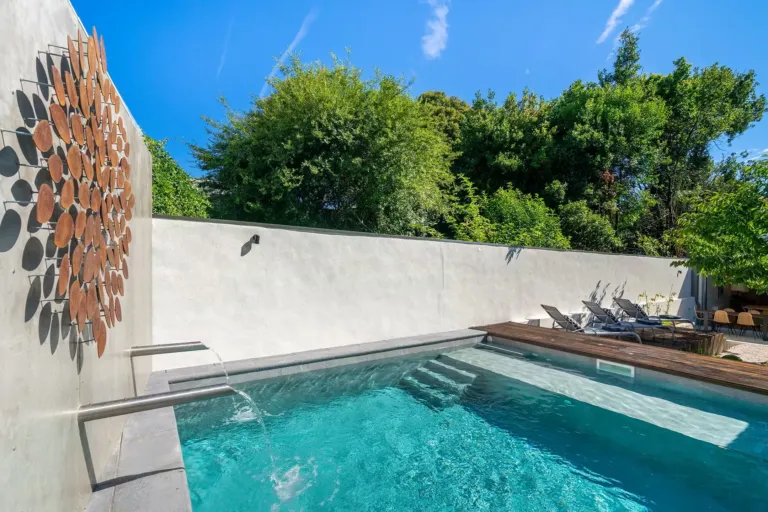
For those seeking an even more exclusive experience, the Luxury Villa Almada offers two spacious bedrooms, a private pool, and the utmost in comfort and elegance. This villa ensures a luxurious, self-contained experience in the heart of Porto. - Whole Maison for Exclusive Use by Your Group
For larger groups or those seeking complete privacy, the whole Maison is available for exclusive use. This provides a fully immersive experience for groups or families looking for a more tailored stay.
Why Choose Canto de Luz?
At Canto de Luz, a luxurious atmosphere balances beautifully with warmth and attention, making every stay feel truly special. Step outside our cozy guest house and you’re smack in the middle of Porto’s historic hub – just a stone’s throw from the romantic Douro River and the charming Ribeira district. Unwind in comfort after a day of adventure, surrounded by lush greenery and timeless elegance that will transport you to a state of serenity.
With its attention to detail, whether in the carefully curated interior design or the wide range of accommodations available, Canto de Luz offers a personalized experience, ensuring that every guest feels truly at home. Slipping into a cozy guest house is like finding a warm hug in the midst of bustling Porto – a tranquil retreat from the frenzy of larger hotels.