


Rancho à Portuguesa is a heartwarming soup that has been a staple in Portuguese homes for generations. Originating from the northern Minho region, this dish is more than just a soup—it’s a complete meal. Combining potatoes, beans, cabbage, pork, sausages, and small pasta or rice, it delivers a rich, comforting flavor perfect for colder days or family gatherings.
This classic dish reflects the Portuguese love for simple, fresh ingredients cooked together to create a meal that satisfies both body and soul. Whether you’re new to Portuguese cuisine or a seasoned fan, making Rancho à Portuguesa at home is a wonderful way to bring a taste of Portugal into your kitchen.
Why you’ll love it:
- Hearty and filling – a perfect one-pot meal
- Packed with fresh vegetables, beans, and protein
- Family-friendly and ideal for gatherings
- Authentic flavors from the Minho region of Portugal
For those looking to explore more traditional Portuguese dishes, check out the best traditional food in Porto for inspiration and culinary gems that capture the essence of Portuguese cuisine.
The History and Origin of Rancho à Portuguesa
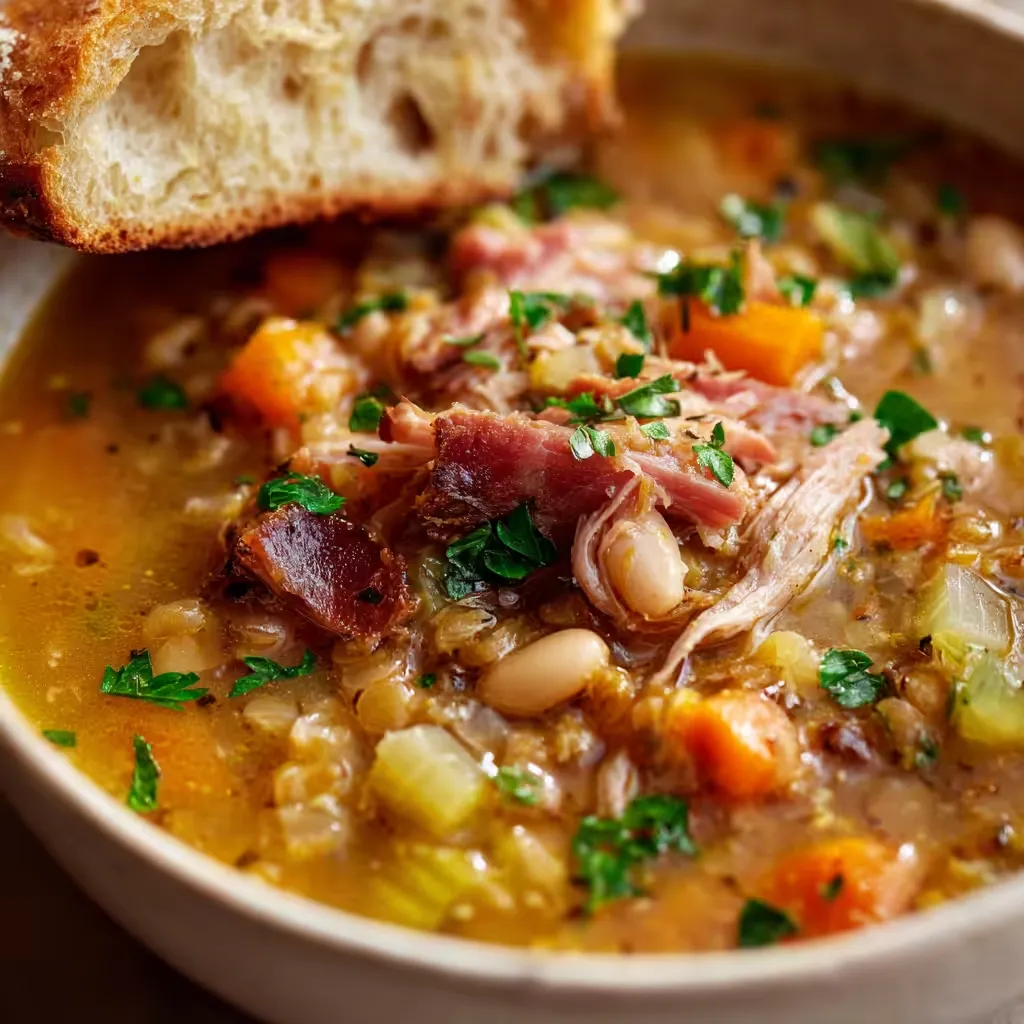
Rancho à Portuguesa is a classic Portuguese dish with deep roots in the Minho region, in the northwest of Portugal. Known for its fertile lands and hearty rural cuisine, Minho produced meals that needed to be filling and nourishing for hardworking locals. Rancho emerged as a practical yet delicious solution—a dish that combined simple, locally available ingredients into a rich, comforting stew that could feed an entire family.
Origins in Minho and Beyond
- Minho’s Influence: The cool, wet climate of Minho was perfect for growing staples like potatoes, cabbage, and beans—all key components of Rancho. Pork and sausages were common in local households, adding the rich flavors that define the dish today.
- Peasant Roots: Initially, Rancho was a humble peasant dish, made from leftovers or whatever ingredients were on hand. Slow-cooked together, it created a thick, satisfying soup that provided warmth and sustenance.
- Spread Across Portugal: While Minho is its birthplace, variations of Rancho developed across northern Portugal. The core concept—a hearty stew of meat, vegetables, and pasta or rice—remained, but each region added its local twist.
Cultural Significance
Rancho à Portuguesa is more than a meal; it is a symbol of community and togetherness. Traditionally served during family gatherings, festivals, and local celebrations, it embodies the spirit of sharing.
- Dish for Gatherings: Its ability to feed large groups made it ideal for communal meals, especially in colder seasons or after long days of work.
- Festive Connections: In many parts of Portugal, Rancho is still prepared during village festivals or religious holidays, reinforcing its role as a dish that brings people together.
Variations Across Portugal and Abroad
As Portuguese communities spread globally—to Brazil, Canada, the United States, and beyond—Rancho evolved while keeping its essence intact:
- Different meats or sausages, depending on local availability.
- Added vegetables or spices for unique regional flavors.
- Variations in thickness, from a soup-like consistency to a hearty stew.
Despite these changes, Rancho à Portuguesa remains a comforting, shared meal that carries the legacy of Portugal’s culinary heritage.
How to Make Rancho à Portuguesa (Step-by-Step Process)
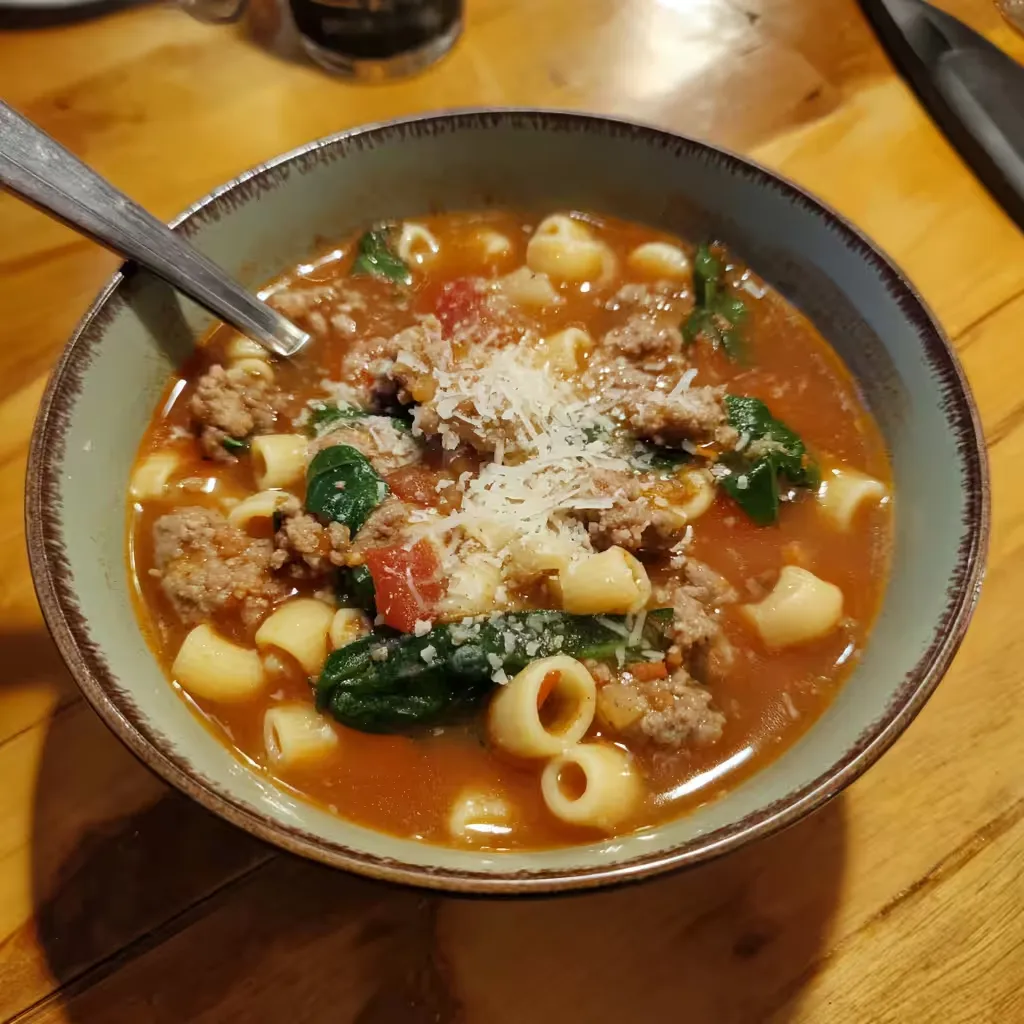
Rancho à Portuguesa is a traditional Portuguese comfort dish known for its rich flavors and hearty ingredients. This thick stew-like soup combines beans, pasta, vegetables, and different cuts of meat, making it a filling meal that’s perfect for colder days or family gatherings. It’s a dish deeply connected to Portugal’s food culture and is often served in traditional taverns or discovered during a food and wine tour in Porto, where visitors can experience authentic regional dishes.
If you want to recreate this comforting Portuguese classic at home, follow this simple recipe that serves about four people.
Ingredients
- 250 g dried legumes (such as chickpeas or white beans), soaked for several hours or overnight
- 150 g macaroni pasta
- 500 g beef (stewing beef or a mix of different cuts)
- 1 chorizo sausage, sliced into thick rounds
- 200–250 g bacon or pork belly, cut into large cubes
- 1 large onion, finely chopped
- 3 garlic cloves, crushed or minced
- 100 ml white wine
- 1 teaspoon paprika (preferably smoked paprika)
- 1 bay leaf
- Olive oil
- Salt and freshly ground black pepper to taste
- Optional: 4 medium potatoes, peeled and diced
Instructions
1. Prepare the legumes
Start by soaking the chickpeas or beans in water for several hours or overnight. This helps soften them and reduces cooking time. Once they’re ready, rinse them and set them aside.
2. Cook the base
Heat a generous drizzle of olive oil in a large pot over medium heat. Add the chopped onion, garlic, and bay leaf. Cook gently for about 5–7 minutes until the onion becomes soft and fragrant.
3. Add the meats
Next, add the beef cubes, sliced chorizo, and bacon or pork belly. Sprinkle the paprika, salt, and black pepper over the meat and stir everything together so the spices coat the ingredients evenly. Let the meat cook for a few minutes until it begins to brown slightly.
4. Deglaze and simmer
Pour in the white wine and scrape the bottom of the pot to release the browned bits, which add extra flavor. Add the soaked legumes and enough water to cover everything. Bring the pot to a gentle boil, then reduce the heat and allow it to simmer slowly for about 30–40 minutes.
5. Add potatoes and pasta
If you’re using potatoes, add them at this stage so they cook together with the pasta. Stir in the macaroni and add a splash of hot water if the stew becomes too thick. Cook for another 8–10 minutes until the pasta is tender.
6. Final seasoning
Taste the stew and adjust the salt and pepper if needed. The final texture should be thick and hearty but still slightly soupy.
7. Serve
Remove the bay leaf and ladle the Rancho into bowls. Serve it hot with crusty bread on the side to soak up the flavorful broth.
Tips for the Best Rancho à Portuguesa
Let it cook slowly
A gentle simmer helps all the flavors blend beautifully.
It tastes even better the next day
Like many traditional stews, Rancho develops even deeper flavor after resting overnight.
Experiment with meats
You can add smoked sausages, ham hocks, or other pork cuts, depending on what you have.
Don’t forget the bread
Crusty Portuguese bread is perfect for dipping into the rich broth.
Different Ways Rancho à Portuguesa Is Made Across Portugal
One of the things that makes Rancho à Portuguesa so special is that no two versions are exactly the same. Although the dish originated in the Minho region in northern Portugal, every region — and often every family — prepares it a little differently. Over the years, cooks have adapted the recipe based on local ingredients, personal preferences, and even modern dietary trends.
From richer meat-packed versions in the north to lighter interpretations in other areas, Rancho has evolved while still keeping its comforting and rustic character.
How the Recipe Changes by Region
The Classic Minho Style
In Minho, where Rancho first became popular, the recipe is usually hearty and quite rich. Traditional versions often include generous portions of pork belly, veal trotter, and homemade chouriço. Chickpeas and macaroni are typically used, creating a thick stew that’s almost closer to a hearty casserole than a soup.
Locals often say the texture should be thick enough that a wooden spoon can almost stand upright in the pot — a sign of a properly made Rancho.
Variations in Other Parts of Portugal
As the dish spread across the country, small differences started appearing.
In central Portugal, beans are sometimes used instead of chickpeas, and potatoes are frequently added to make the dish even more filling.
Further south, you may find lighter versions where rice replaces pasta. This change is often linked to local grain traditions and the warmer climate.
Coastal areas occasionally introduce subtle seafood influences. Some cooks use fish stock or even add small seafood elements to reflect the ingredients available in their region.
Vegetarian and Plant-Based Versions
Although Rancho à Portuguesa has traditionally been made with several types of meat, modern diets have inspired vegetarian and vegan adaptations. While these versions aren’t considered traditional, they’ve become increasingly popular, especially in cities and among younger home cooks.
A plant-based Rancho can still deliver plenty of flavor by using hearty vegetables and bold seasonings.
Common substitutions include:
- Mushrooms, sweet potatoes, or turnips instead of meat
- Smoked paprika or plant-based sausage for a similar smoky flavor
- Vegetable broth to create a rich base
- Greens like kale or collard greens for extra nutrition
Even without the meat, these variations still capture the comforting spirit of the dish.
Faster Modern Versions for Busy Kitchens
Today’s home cooks sometimes adapt traditional recipes to fit modern schedules. Rancho is no exception, and there are several ways people simplify the process while keeping the flavors intact.
Some common shortcuts include:
- Using canned chickpeas or beans instead of dried ones
- Choosing just one type of meat instead of several
- Cooking the stew in a pressure cooker or Instant Pot
- Adding pre-cut frozen vegetables to reduce preparation time
These small adjustments make Rancho easier to prepare on busy weeknights while still delivering the same warm, satisfying meal.
The Role of Family Traditions
Perhaps the most meaningful variations come from family traditions. In many Portuguese households, Rancho is a recipe that has been passed down through generations, with each cook adding their own personal touch.
Some families add their own spice mix, while others prefer homemade sausages or swap white wine for red. A few might even include a pinch of chili flakes to give the dish a bit of extra warmth.
For many people in Portugal, Rancho is more than just food. It’s a reminder of family gatherings, holiday meals, and long Sunday lunches when everyone gathers around the table to share a comforting bowl of something made with care.
Pro Tips for Making the Best Rancho à Portuguesa
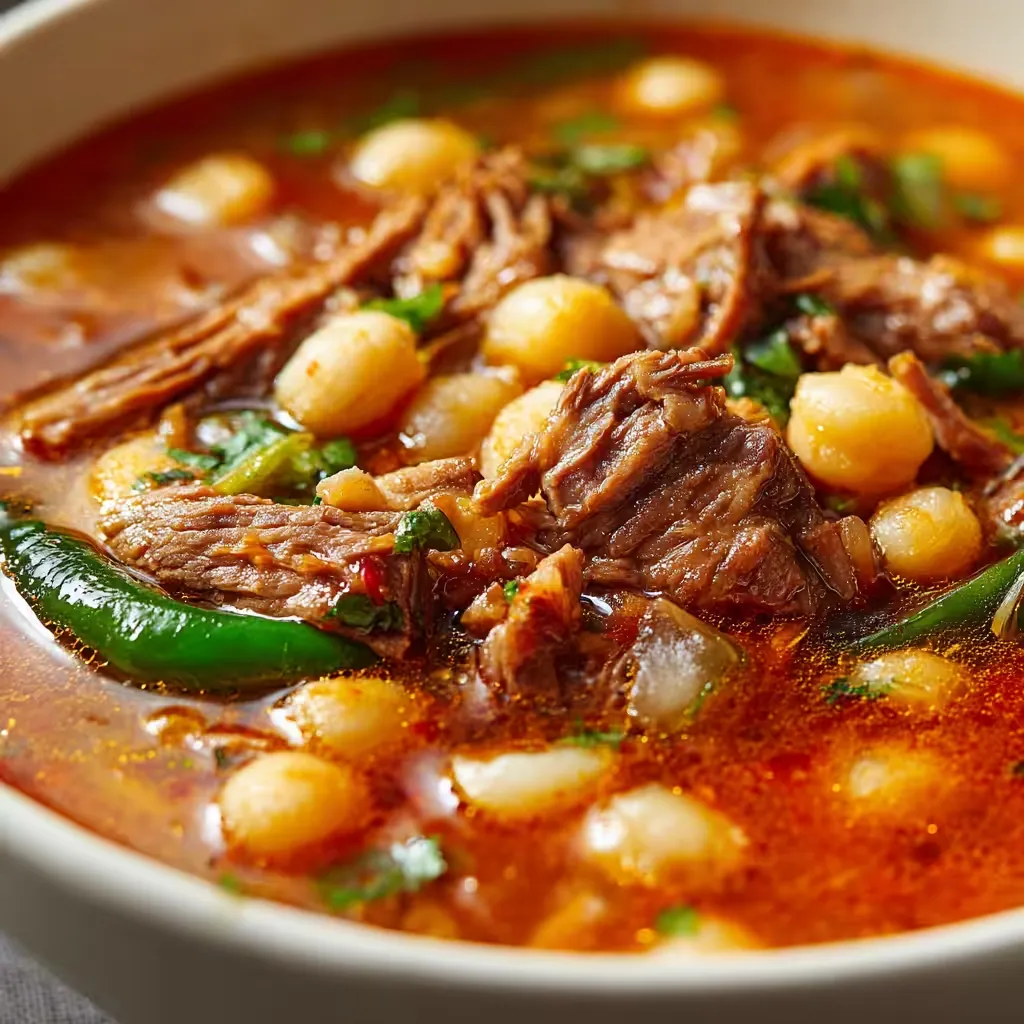
Rancho à Portuguesa is a simple dish at heart, but a few cooking tricks can really improve the final result. Because it combines beans, meat, pasta, and vegetables, balancing the texture and flavor is key. If you keep these tips in mind, you’ll end up with a rich, comforting stew that tastes just like a homemade Portuguese classic.
1. Let the stew cook slowly
One of the biggest secrets to a good Rancho is patience. Instead of rushing the cooking process, allow the stew to simmer gently on low heat. Slow cooking helps the meat become tender and allows all the ingredients to blend together, creating a deeper flavor.
2. Add the pasta near the end
Pasta cooks quickly, especially in a hot stew. If you add it too early, it can become too soft or even fall apart. To keep the texture just right, stir in the pasta during the final stage of cooking and check it frequently.
3. Taste and adjust the seasoning
Because Rancho contains beans, pasta, and broth, it sometimes needs a little extra seasoning to bring everything together. Taste the stew as it cooks and adjust the salt, pepper, or spices if necessary.
4. Keep the right consistency
Rancho should be thick and hearty, but it shouldn’t be dry. If the stew starts to look too dense while cooking, simply add a small amount of hot water or broth. This will help maintain a nice, rich texture.
Storing and Reheating Rancho
5. It often tastes better the next day
Like many traditional stews, Rancho becomes even more flavorful after resting overnight. The ingredients absorb the broth and the flavors blend together beautifully.
6. Store it properly
After the stew cools down, place it in an airtight container and keep it in the refrigerator. It will usually stay fresh for about three to four days.
7. Freezing for later
Rancho can also be frozen if you want to save some for another meal. For the best texture, it’s a good idea to freeze the stew without pasta and add freshly cooked pasta when reheating.
8. Reheat gently
When warming it up again, heat the stew slowly on the stove and add a splash of water or broth if it has thickened too much.
Easy Ways to Customize the Flavor
9. Add a bit of heat
If you enjoy spicy food, a pinch of chili flakes or a small dash of hot sauce can give the stew a little extra warmth.
10. Include leafy greens
Adding greens like kale or spinach near the end of cooking is an easy way to add color and extra nutrition.
11. Try different legumes
Chickpeas are traditional, but white beans or even lentils can work well if that’s what you have available
Helpful Kitchen Tools
12. Use a heavy pot
A sturdy pot or Dutch oven distributes heat evenly and helps the stew cook slowly without burning.
13. A good knife makes prep easier
Since you’ll be cutting meat, sausage, and vegetables, a sharp knife will make the preparation much faster.
14. Stir with a wooden spoon
A wooden spoon works well for thick stews like Rancho and won’t scratch your cookware.
Want to Master More Traditional Portuguese Dishes?
If diving deep into Portugal’s rich culinary heritage excites you, there’s no better way to begin than with Rancho à Portuguesa—a rustic, hearty stew that embodies comfort and tradition. But why stop there? Join a hands-on Portuguese Tapas Class + Bolhão Market Tour, where you’ll source fresh ingredients, cook with a professional chef, and enjoy classic Tapas dishes like flame-grilled chourizo and codfish pancakes—all inside a boutique kitchen in central Porto.
Portuguese Tapas Class + Bolhao Tour

Start the day with a guided tour of the world-famous Mercado do Bolhão, one of Porto’s culinary landmarks. Learn how to choose the freshest local ingredients that make Portuguese cuisine so memorable. Then, enjoy a short walk to Boutique Maison Canto de Luz, where you’ll be welcomed with a barista coffee and a fresh Pastel de Nata.
Main Course – Hands-On Cooking Workshop
Watch a professional chef in action, then dive into preparing your own dishes. You’ll learn how to create traditional Portuguese Tapas (or Tapiscos) like:
- Flame-Grilled Chouriço
- Fresh Clams in White Wine & Lemon
- Codfish Pancakes (Pataniscas de Bacalhau)
- Regional vegetarian and vegan favourites
Dessert – Sit, Sip, and Celebrate
After cooking, it’s time to enjoy your delicious creations with a crisp glass of Douro Valley wine. Want more wine? Additional glasses are available for purchase.
Bonus Takeaway
Every guest leaves with a goodie bag containing:
- Printed recipes
- A travel-friendly bottle of Aguardente (Portuguese brandy) to replicate the flaming chouriço trick at home
Why You’ll Love It
Whether you’re a seasoned foodie or a curious traveler, this immersive class is the perfect way to:
- Explore Porto’s culinary culture
- Refine your cooking skills
- Create unforgettable memories—and meals
If Rancho warmed your heart, this Tapas Tour will light your culinary spirit.
Experience Porto’s Food Culture While You Stay

Porto is widely known as the gastronomic capital of Portugal, making it the perfect destination for travelers who want to explore authentic Portuguese cuisine and traditions. Staying somewhere that celebrates local food culture can make the experience even more memorable, and Canto de Luz offers exactly that.
Why Stay at Canto de Luz
- Prime location – Situated in Porto’s historic center, within walking distance of major sights.
- Unique boutique experience – A carefully restored property with stylish suites, apartments, and luxury villas.
- Peaceful atmosphere – Set slightly away from busy streets, offering a quiet and relaxing environment.
- Heated outdoor saltwater pool – Perfect for unwinding after exploring the city.
- Exceptional breakfast – A homemade, organic breakfast that changes daily using fresh ingredients from local markets like Mercado do Bolhão.
Discover Porto’s Food Culture
Porto is often considered the gastronomic capital of Portugal, making it the perfect destination for food lovers who want to explore authentic Portuguese cuisine and traditions.
At Canto de Luz, guests can experience the local food culture in several ways:
- Legendary homemade breakfast served daily in the Orangerie and garden terrace.
- Canto Cooking culinary school, where you can learn Portuguese dishes and traditions.
- Market and food tours that introduce visitors to Porto’s local ingredients and culinary history.
- Wine and port tastings with tapas, featuring wines from the Douro Valley.
This makes it an ideal place to stay if you want not only comfortable accommodation but also a deeper experience of Porto’s famous food and wine culture.
Booking: You can check availability and reserve your stay directly on the Canto de Luz website or BOOK NOW.