At A Glance
Most visitors are better off staying in Porto and going out to the Douro Valley for the day. The train takes about 2h25 to Pinhão, and everything worth doing in the valley fits into daylight hours.
- Douro Valley hotels are mostly converted quintas around Pinhão and Peso da Régua.
- The main things to do there are quinta tours, tastings, river cruises and viewpoints.
- Two quinta visits and lunch is a full day. There is no third day of activities.
- Valley hotels cost more per night and dinner is usually the hotel restaurant.
- Stay in the valley if the wine is the whole trip. Otherwise base in Porto.
The Douro Valley starts about 100km east of Porto. You can sleep in it at a converted wine estate, or you can sleep in Porto and go out for the day on a train that takes roughly two and a half hours. Douro Valley hotels are the more expensive option and the one most people picture, but for the majority of trips a Porto base works better, and the journey out there is short enough to make that a real choice rather than a compromise.
Below is what there actually is to do in the valley, how long each of those things takes, and a straight comparison of the two options. If you have already decided on the valley, our Douro Valley guide goes into more detail on the sights themselves.
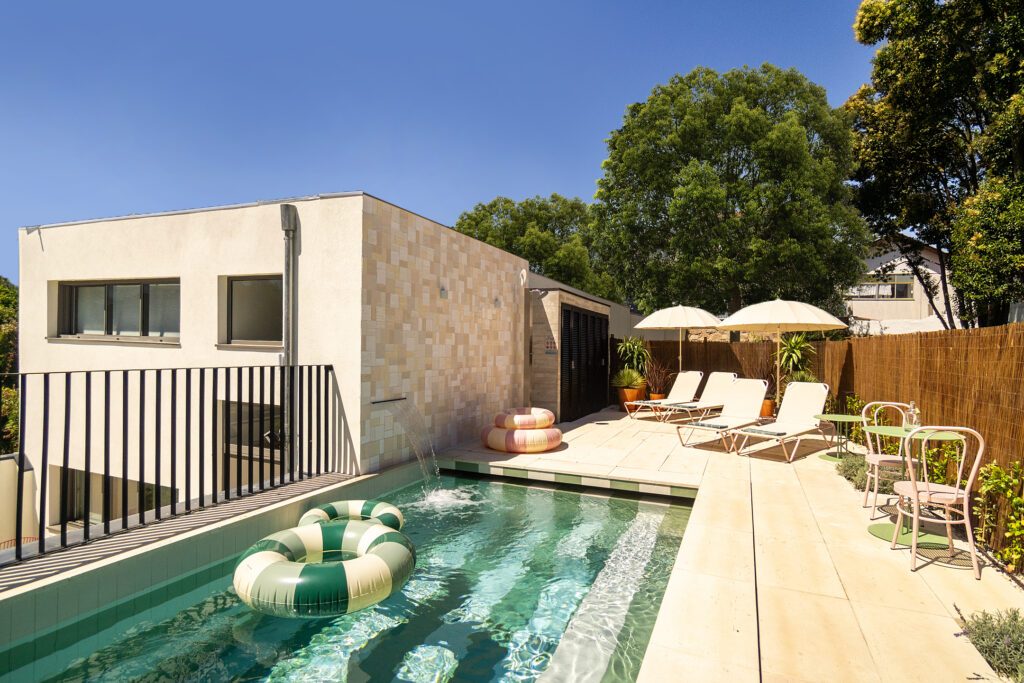
Basing yourself in Porto? Canto de Luz is ten minutes on foot from São Bento, where the Douro trains leave. Heated pool, homemade breakfast, from €99 a night.
Check Availability →What There Is to Do in the Douro Valley
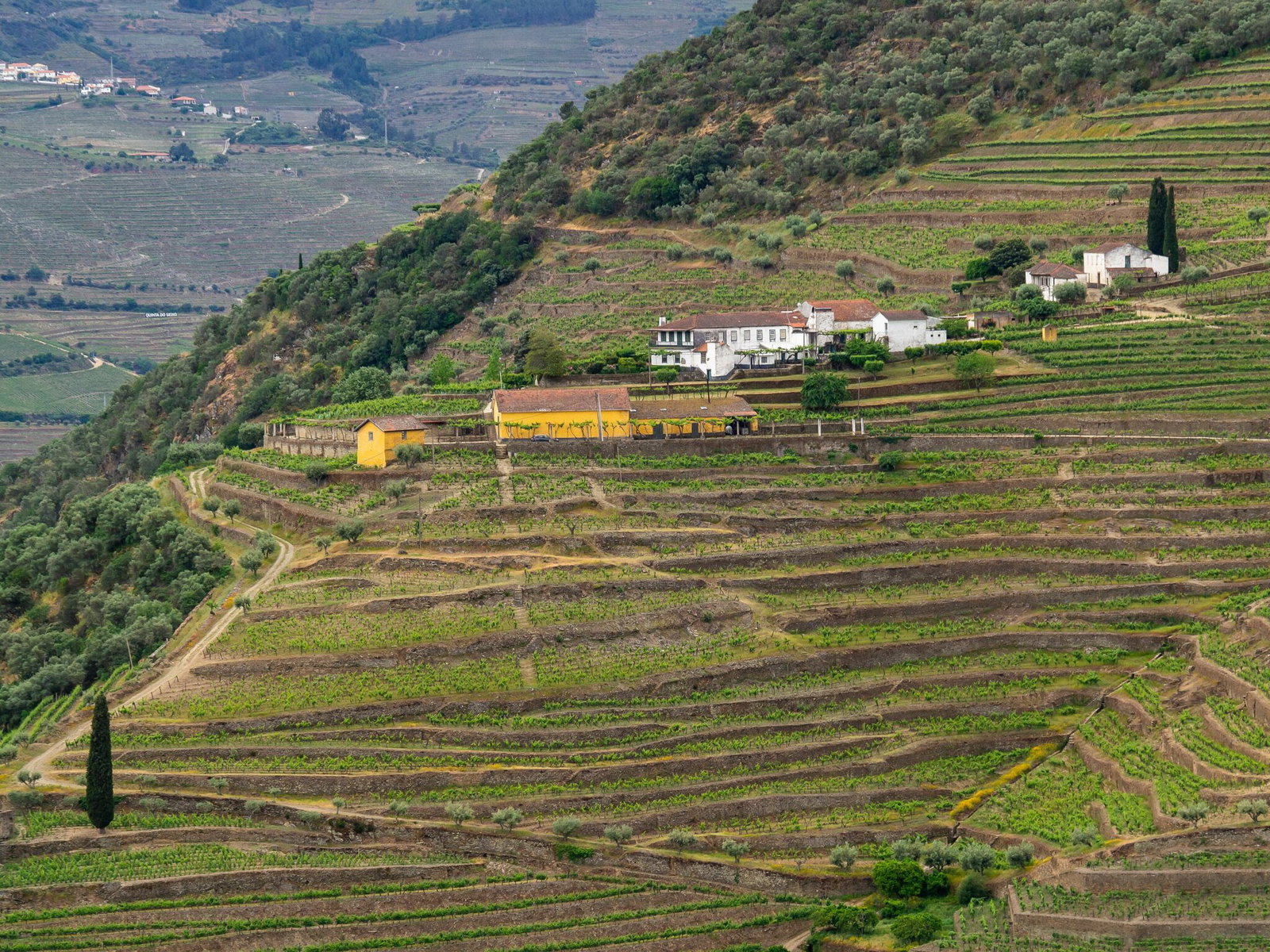
This is the part worth being clear about before you book anything, because the list is shorter than the scenery suggests. The Douro is a working farming region, not a resort. Five things account for almost every visitor day.
1. Quinta Tours and Wine Tastings
The main activity. A quinta is a wine estate, and the ones that take visitors run a walk through the vineyard and cellar followed by a seated tasting of three to five wines. Most pour both Port and unfortified Douro reds, because the region produces as much table wine as fortified.
A visit runs about ninety minutes. Two in a day is the right number and three is a rush. All of them need booking in advance, and most sit up steep tracks that require a car, a taxi or an estate transfer.
2. Pinhão and Peso da Régua
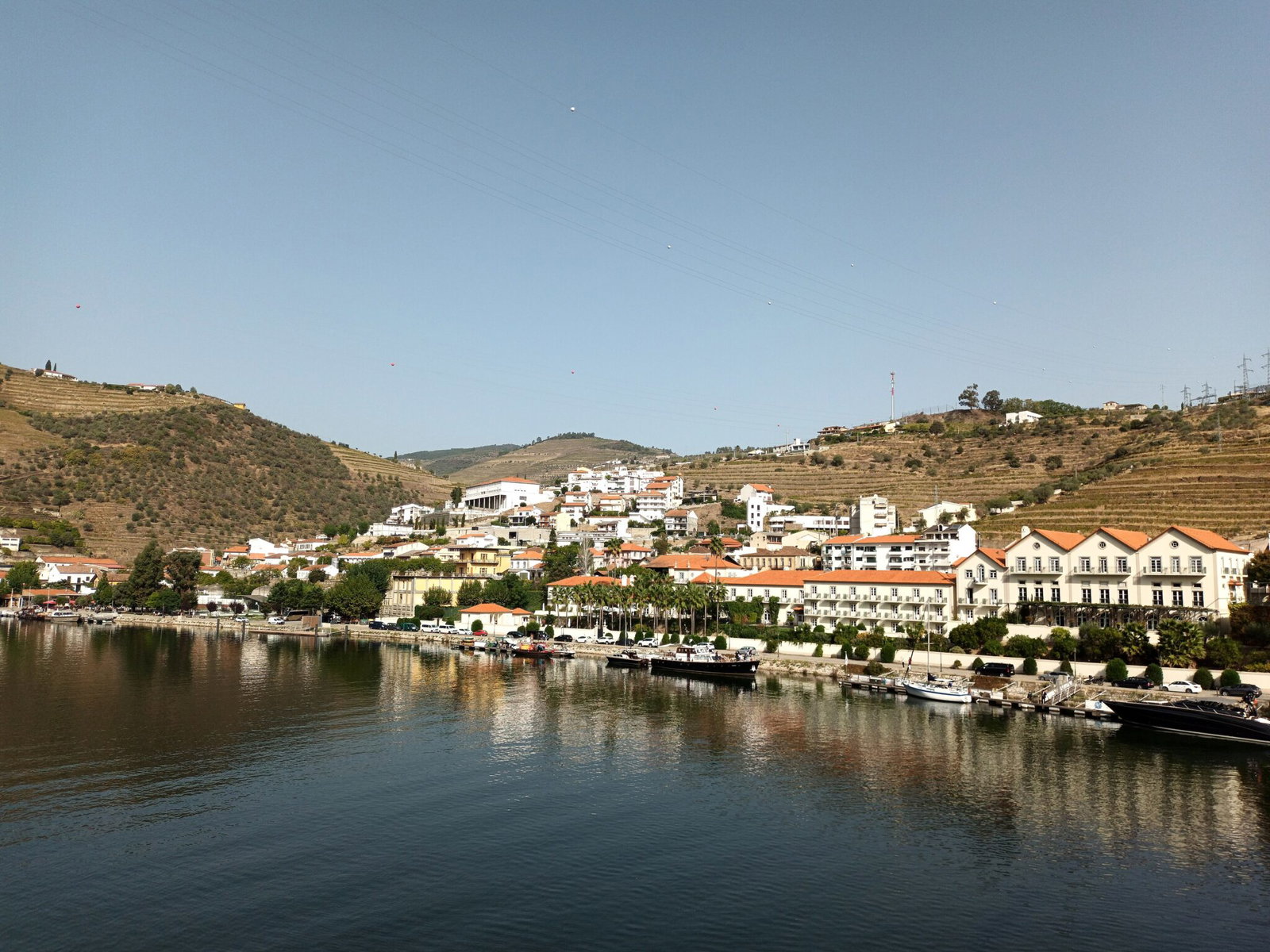
These are the two towns you will actually stand in. Pinhão is a village at the centre of Cima Corgo, the largest sub-region at 19,000 hectares. Its railway station has blue azulejo panels showing the harvest, and that plus the riverfront is about twenty minutes of sightseeing.
Peso da Régua is bigger and is the working capital of the wine trade, with the Museu do Douro on the quay covering the history of the 1756 demarcation. Between them they are a half day, not a full one.
3. River Cruises on the Douro
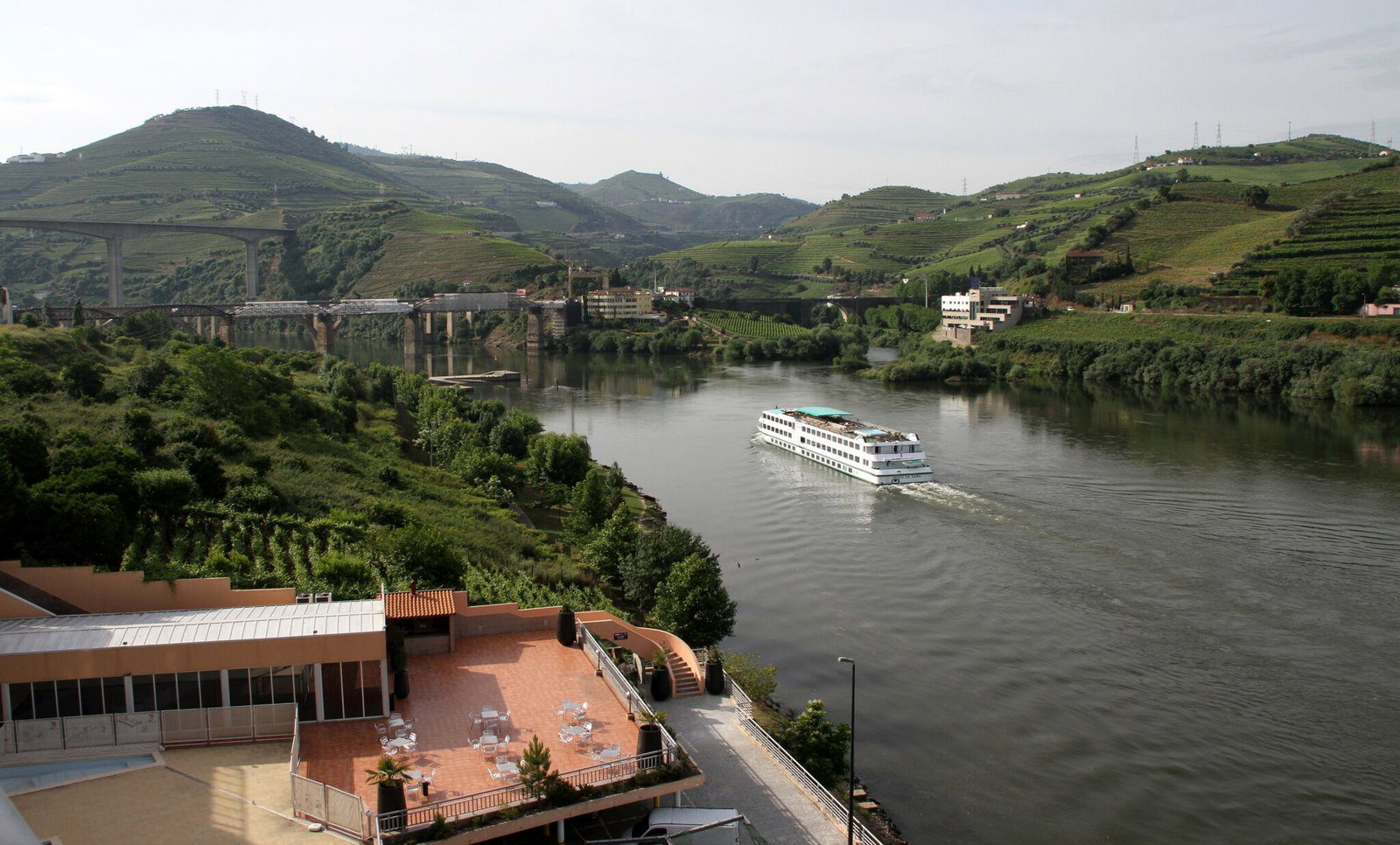
Boat trips run from Régua and Pinhão, from an hour up to a full day sailing back towards Porto. Seeing the terraces from the water is a genuinely different view from the road, and it is the one activity that improves on a longer stay because the all-day sailings need a whole day.
Most operators run one-way with a train or coach return. Check whether lunch is included and whether the return leg is the train, because the train is the better half of that journey.
4. Miradouros and Viewpoints
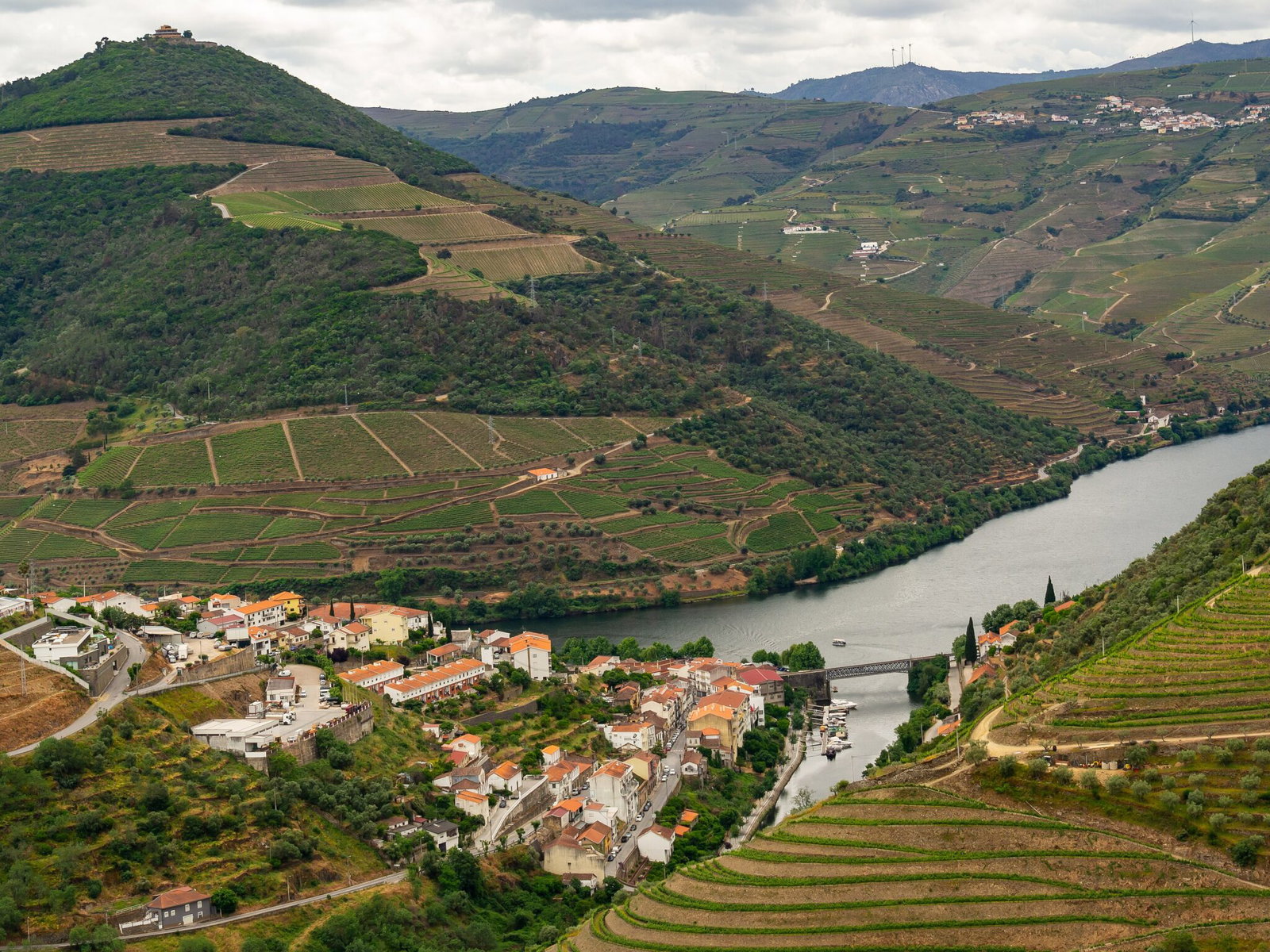
The valley is covered in signposted viewpoints, and they are free. São Leonardo de Galafura above Régua and Casal de Loivos above Pinhão are the two most photographed. They need a car or a taxi, since none of them are walkable from a station.
Each one is a fifteen-minute stop. They are worth doing and they do not fill a day, which is the recurring theme of planning time in the Douro.
5. The September Harvest
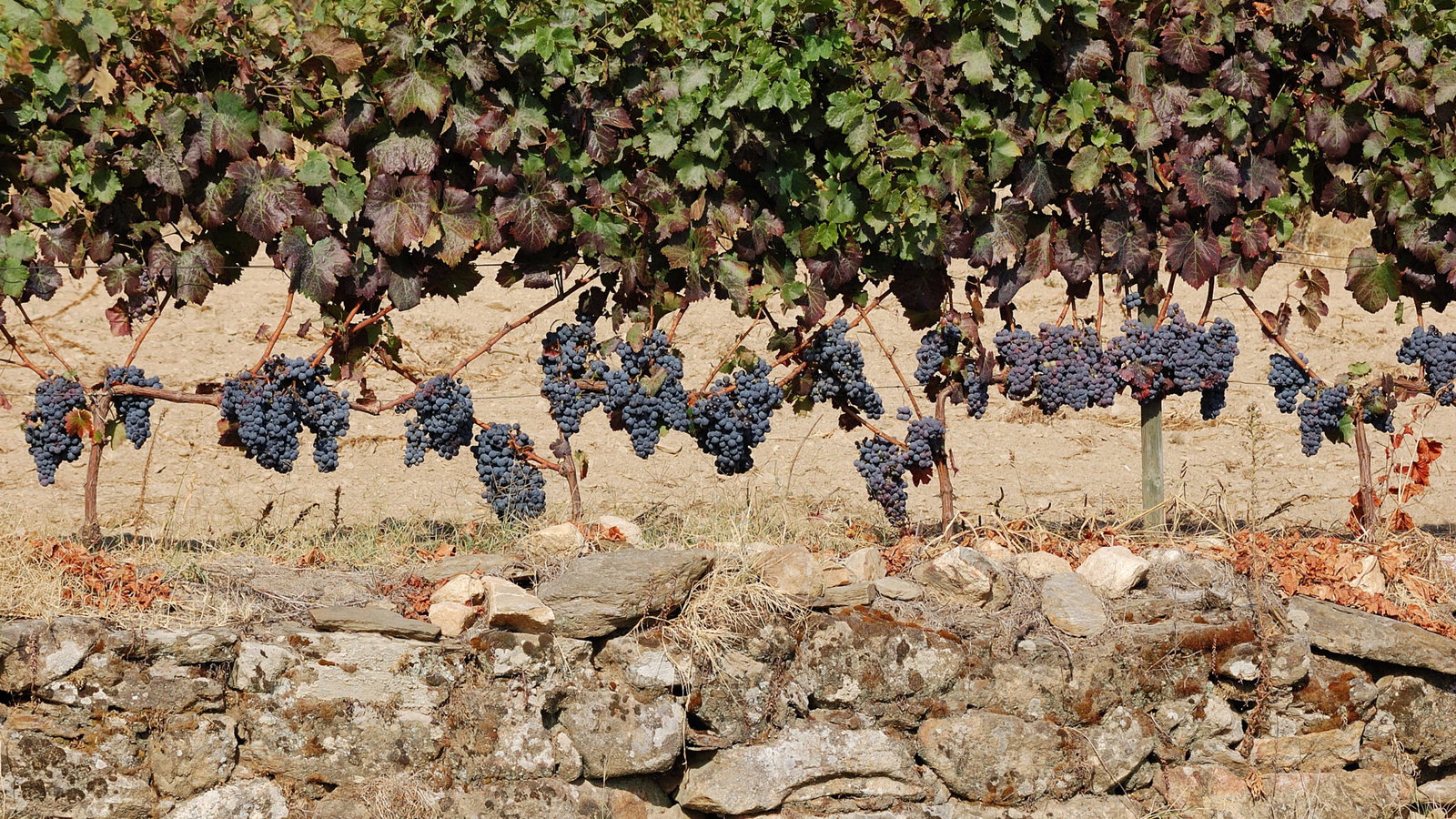
The one time of year that genuinely rewards a longer stay. Picking runs through September, done by hand because the terraces are too steep for machinery, and some estates still foot-tread grapes in granite lagares and let guests join in.
It is also the busiest and most expensive month, and quintas book out furthest ahead. If harvest is the reason for the trip, a valley stay makes more sense than at any other point in the year.
How Long Each Douro Valley Activity Takes
Laid out against a clock, the case for a day trip becomes clearer. This is what a realistic day in the valley holds.
| Activity | Time needed | Needs a car or transfer? |
|---|---|---|
| Quinta tour and tasting | About 1h30 each | Usually yes |
| Museu do Douro, Régua | About 1 hour | No, it is by the station |
| Pinhão station and riverfront | About 20 minutes | No |
| One-hour river cruise | 1 hour | No, boats leave from both towns |
| Full-day cruise towards Porto | 6 to 7 hours | No |
| A miradouro stop | About 15 minutes | Yes |
| Lunch at an estate | About 1h30 | Usually yes |
Two quinta visits, lunch between them and a viewpoint on the way back is a full and satisfying day. Adding a second day means either a river cruise or two more quintas. Adding a third means repeating yourself, unless it is September or you are driving out to Douro Superior towards the Spanish border.
Douro Valley Hotels: What a Valley Stay Gets You
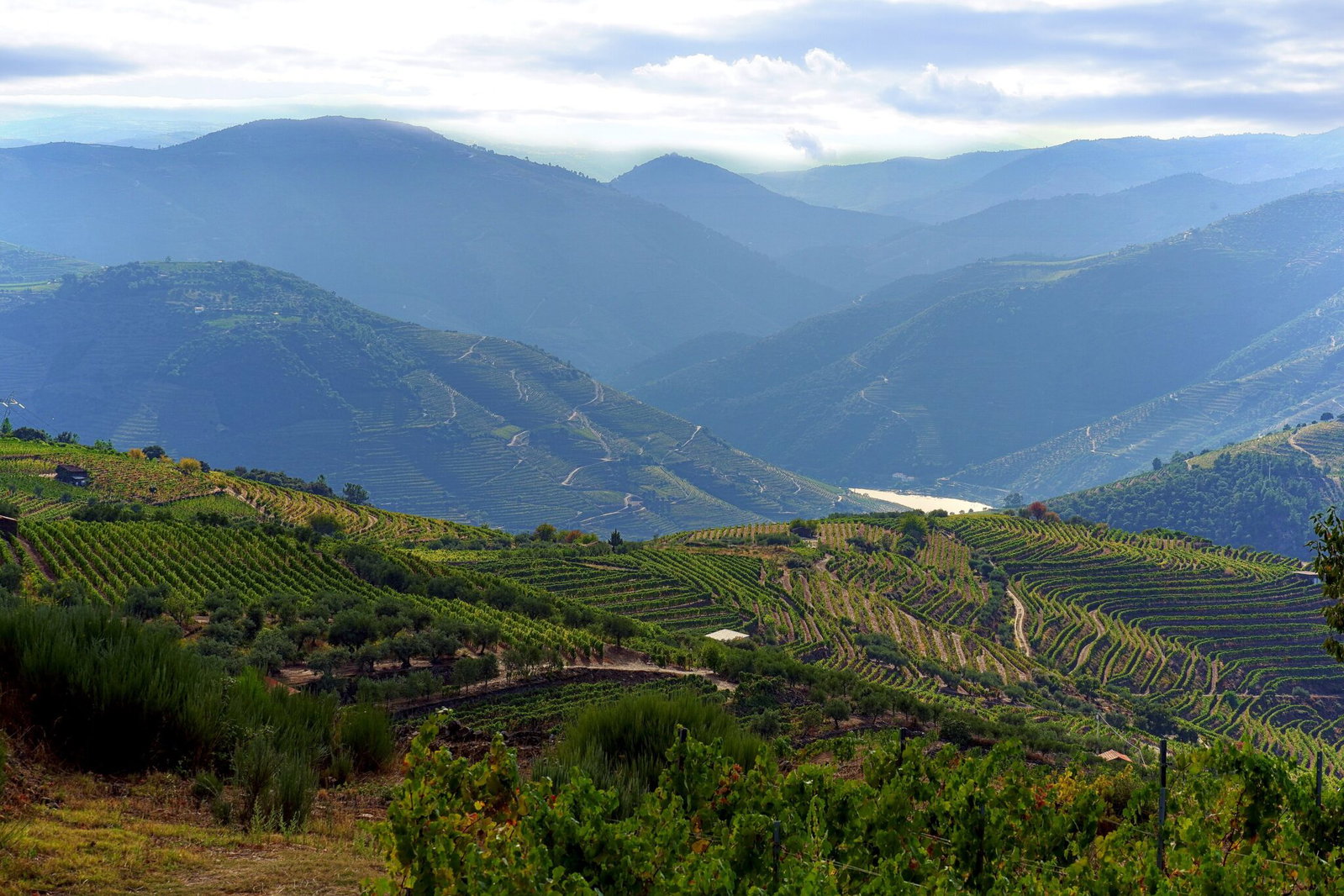
Douro Valley hotels are almost all converted quintas, clustered in Cima Corgo around Pinhão and in Baixo Corgo near Régua. Douro Valley luxury hotels sit in the same two areas, generally on the higher slopes with the longer views.
What a night there buys you is the valley outside visitor hours: mist coming off the river at breakfast, the terraces in evening light, and tastings at the estate you are sleeping at. None of that is available on a day trip, and for some trips it is worth the premium on its own.
What A Valley Stay Adds
- Vineyard views from the room rather than from a bus window
- Tastings on site, often outside normal visitor hours
- The valley at dawn and dusk with no day-trippers in it
- Short transfers to neighbouring quintas
- A pool with a view, which matters in a 35°C August
What A Valley Stay Costs You
- A higher nightly rate than the equivalent in Porto
- Dinner at the hotel most nights, because estates sit away from villages
- A car, or dependence on the hotel for every transfer
- Limited alternatives if it rains
- Reduced hours or closures at smaller quintas from November to March
Douro Valley Hotels vs a Porto Base: The Comparison
| Staying in the Douro Valley | Staying in Porto | |
|---|---|---|
| Getting to quintas | 15 to 40 minutes by car | About 2h25 by train each way |
| Evening options | Hotel restaurant, or a drive | Hundreds of restaurants on foot |
| Nightly cost | Higher, and dinner is captive | Lower, and you choose where to eat |
| Transport needed | Car or hotel transfers | Trains, and nobody has to stay sober |
| If it rains | Few indoor alternatives | A whole city of them |
| In winter | Many quintas shut or reduce hours | City runs normally |
| Non-wine travellers | Little else for them to do | Everything else to do |
| Best length | One to three nights | A week with the Douro inside it |
The row that decides it for most people is the second one. A day of tastings ends around six, and in the valley that means dinner where you are staying, on repeat. In Porto it means walking out into a city with a serious food scene.
Why Most Visitors Are Better Off Staying in Porto
Four reasons, in the order they usually matter.
The valley is a day, not a week. As the table above shows, two quinta visits and a cruise covers almost everything a visitor does there. Booking five nights in the valley means finding activities for days three, four and five that do not exist.
Nobody has to drive. Tasting and driving do not mix, and the roads above the river are steep and narrow. The train removes the problem entirely, and the last hour of it runs alongside the water as scenery rather than travel time.
It costs less and you eat better. Porto rates are lower, and dinner is a choice rather than the only option. Over four nights that difference is substantial.
It suits mixed groups. If one person is there for the wine and another is not, Porto gives the second person a city. Our day trips from Porto guide covers the other directions worth taking on the days you are not in the valley.
When a Douro Valley Hotel Is the Right Call
There are three clear cases, and in all of them the answer is one to three nights rather than a week.
If the wine is the entire purpose of the trip, stay in the valley. Tasting daily, eating at the estate and reading on a terrace in between is a real holiday and Porto cannot replicate it. If you are driving, stay in the valley, because a car unlocks the miradouros, the small estates that take four people at a time and Douro Superior out towards Pocinho. And if you are coming for the September harvest, stay in the valley, because that is the month when there is genuinely more to do than daylight allows.
Outside those three cases, the split most guests settle on is one night in the valley and the rest in Porto. Put the valley night in the middle of the trip rather than at either end.
Canto de Luz as your Douro base
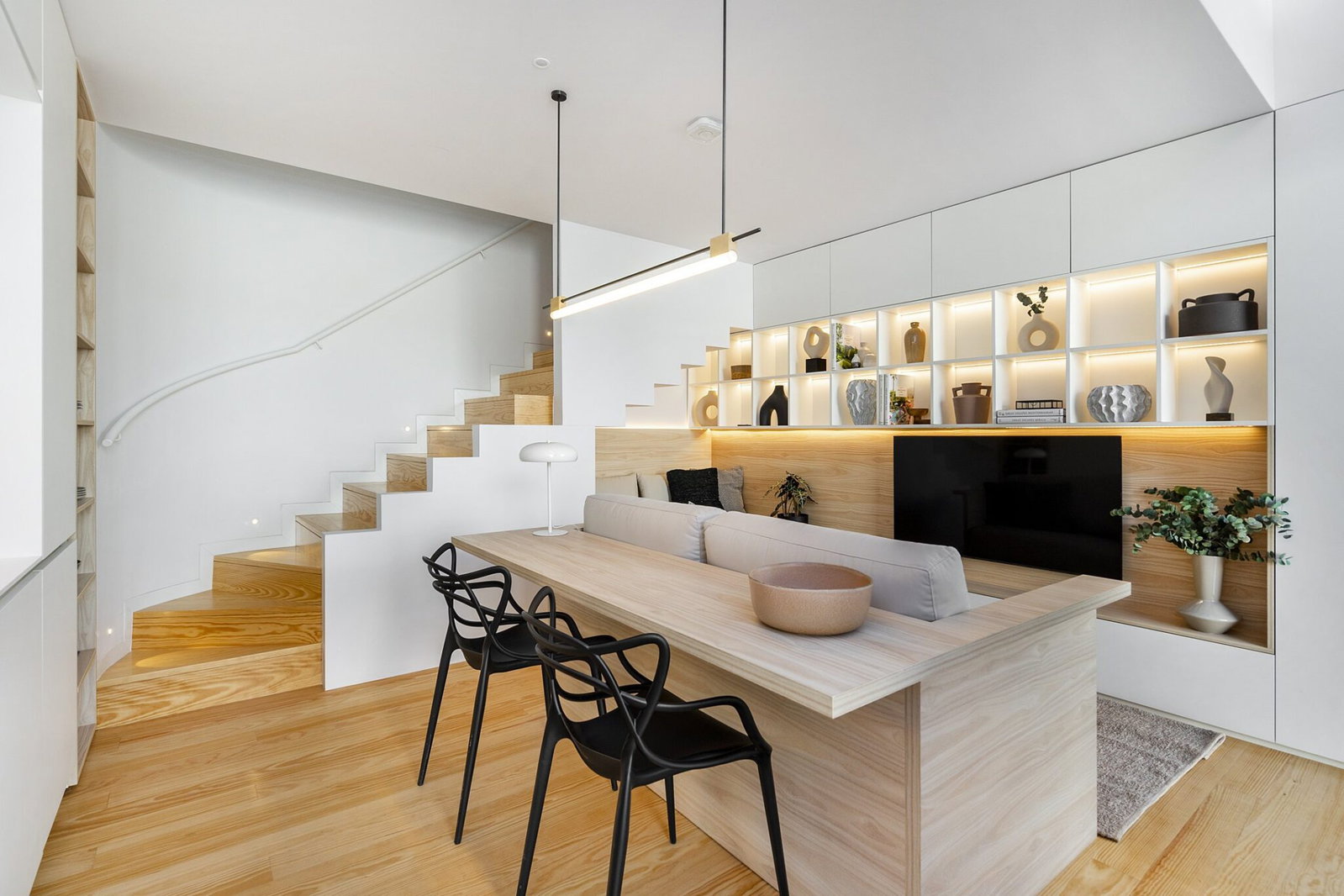
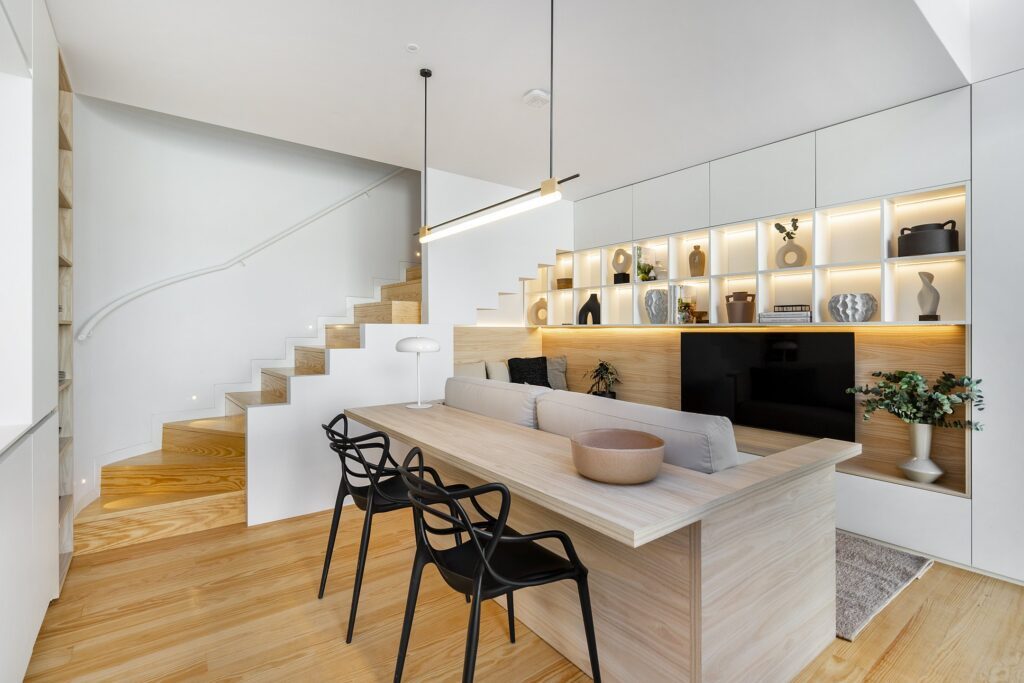
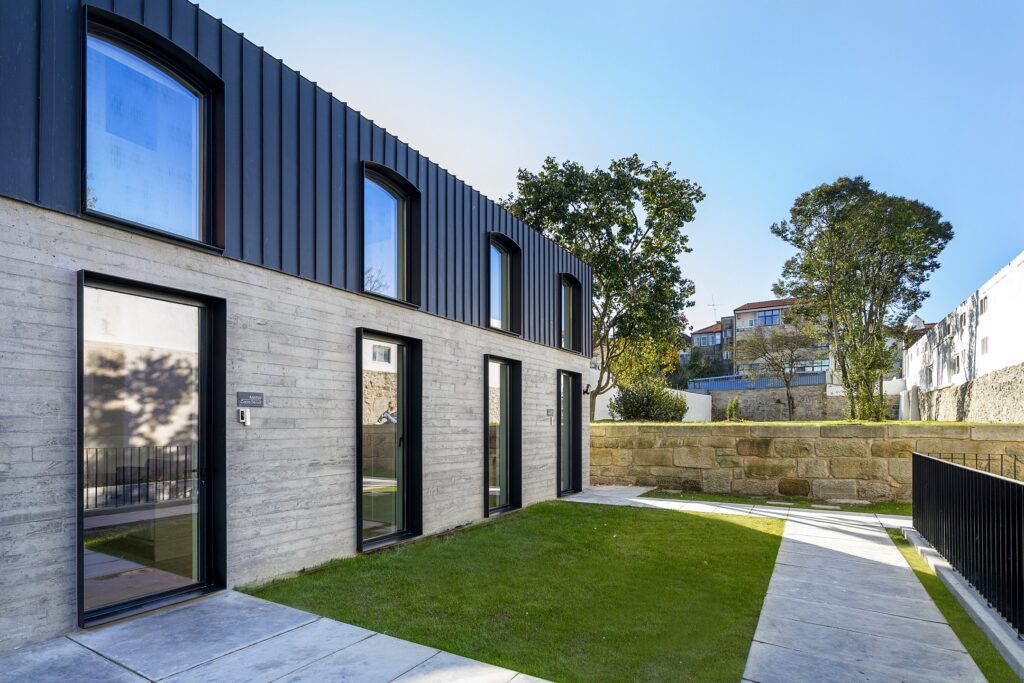
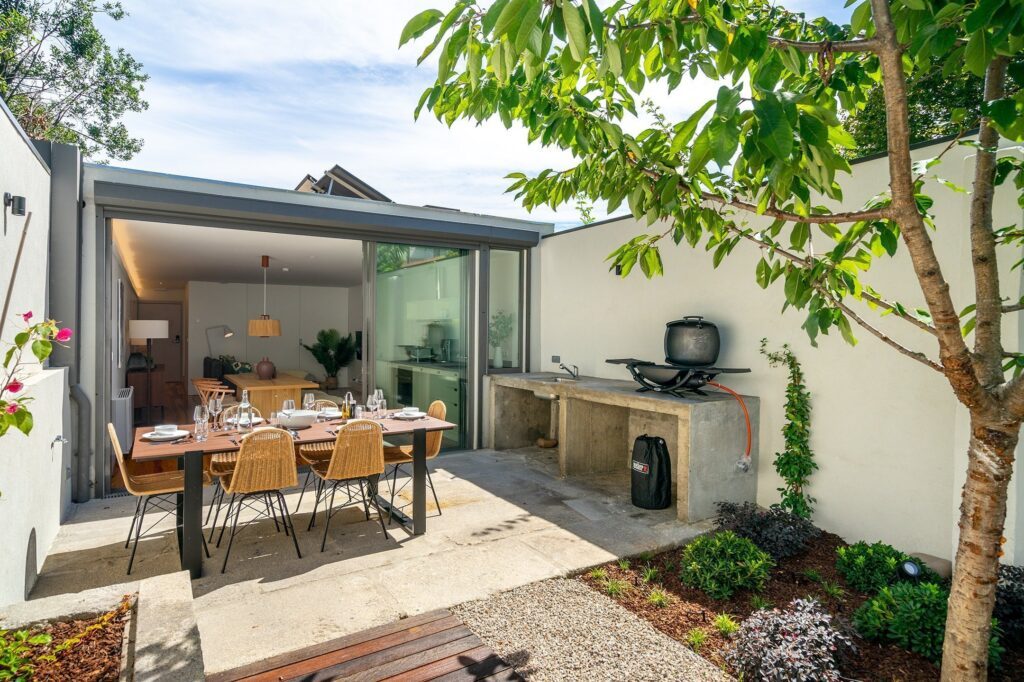
A restored boutique maison on Rua do Almada in Porto’s old town, ten minutes on foot from São Bento where the Douro line begins. Seven suite types, a heated outdoor pool open all year and a homemade breakfast that changes daily. From €99 a night.

A Note from Susan
"Guests ask me this constantly and I always give the same answer. One night in the valley if you really want it, and the rest of your trip here. You get the vineyards and the sunrise, and then you come back to a city where you can eat somewhere different every night. We book the train and the quintas for guests all the time, so just ask."
— Susan, Founder of Espais Roca

"Simply the cutest boutique hotel in Porto. If you blink you will walk right past the door but once you are inside the 3 story building holds a kitchen where the make the best made to order breakfast and coffee (along with wine tasting and cooking classes), a magical wine dispenser, cute work nooks, a sunroom, garden and pool. Not to mention to staff (hello Hannah) who are so kind and always around for whatever you need (including personal recommendations on what to do or where to eat). A must stay when in Porto."
— Kelley Behrendt, via
Where to Stay in Porto for the Douro Valley
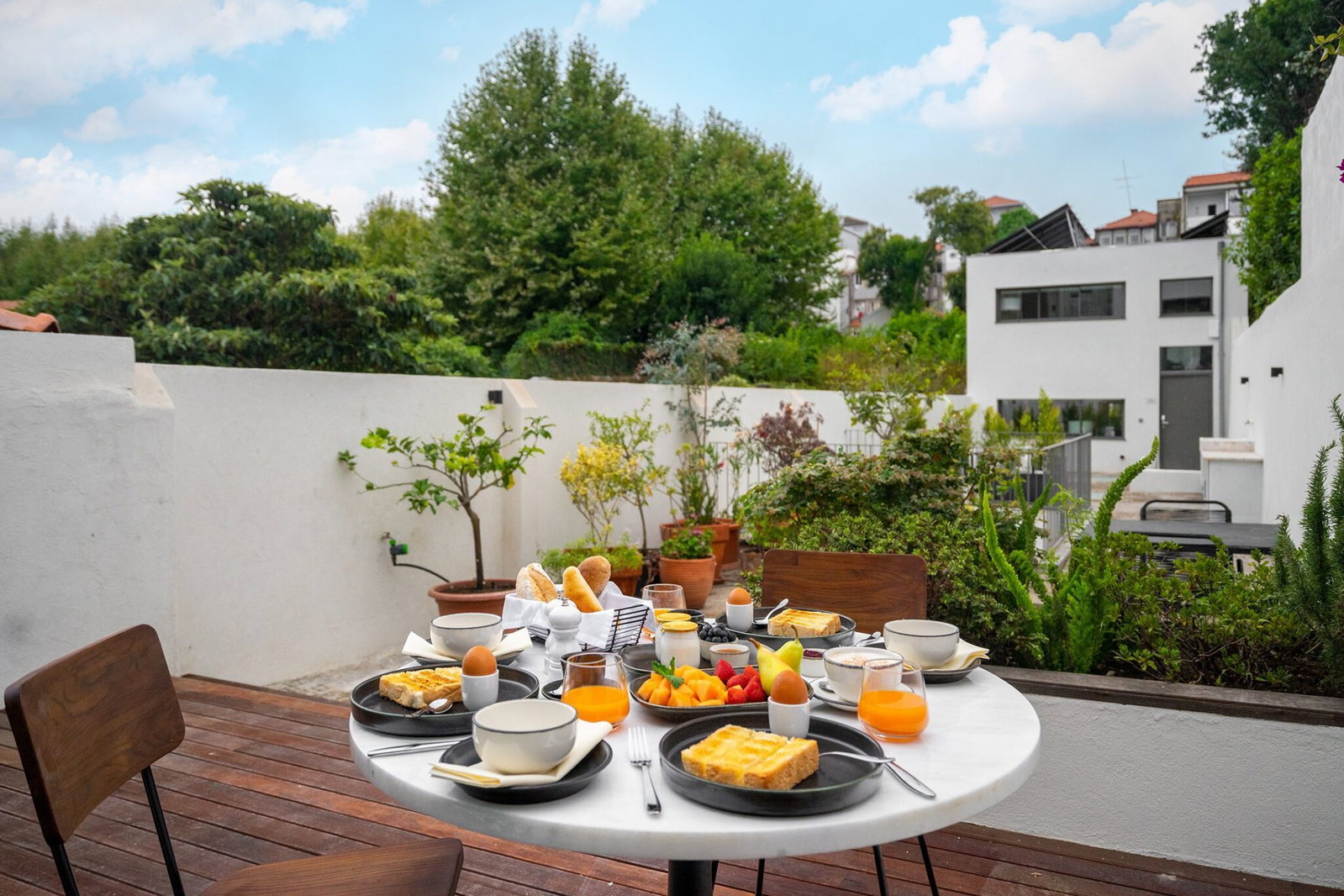
If you take the Porto option, the thing that matters is how far you are from São Bento, because the useful Douro trains leave early. Canto de Luz is about ten minutes on foot from the station, on a quiet street in the old town, which makes an 08:00 departure a walk rather than a taxi booked the night before.
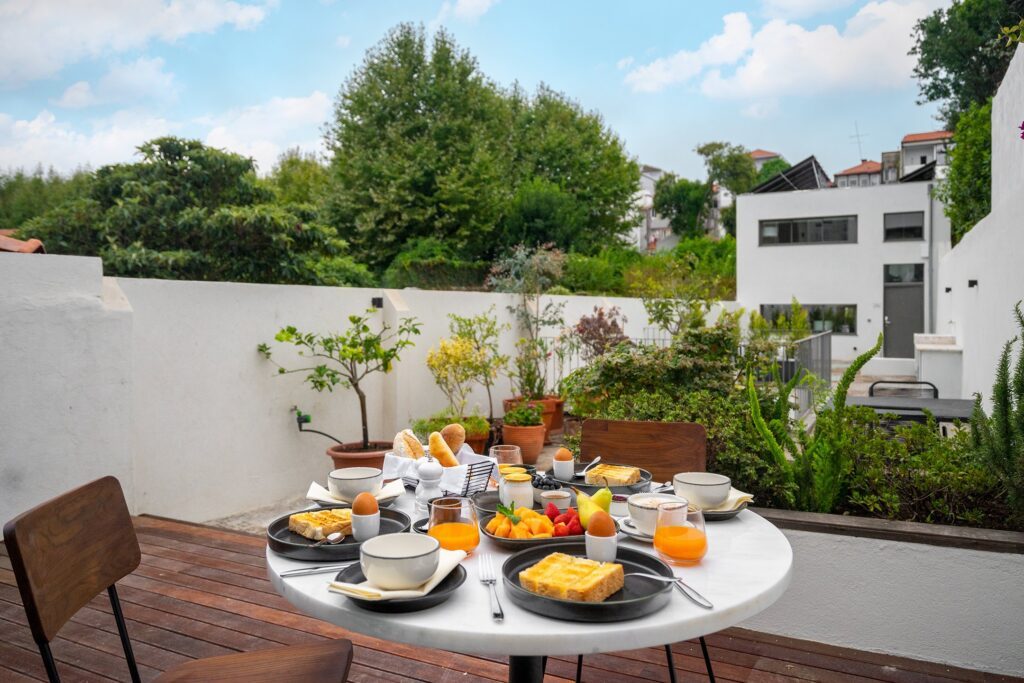
It is a restored boutique maison with seven suite types. Breakfast is homemade, changes daily and can be packed to take away for early starts, which is the detail that matters most on a Douro day. There is a heated outdoor saltwater pool open 09:30 to 19:30 all year, and wine and port tastings on site if you want to arrive in the valley already knowing what you like. Rooms from €99 a night.
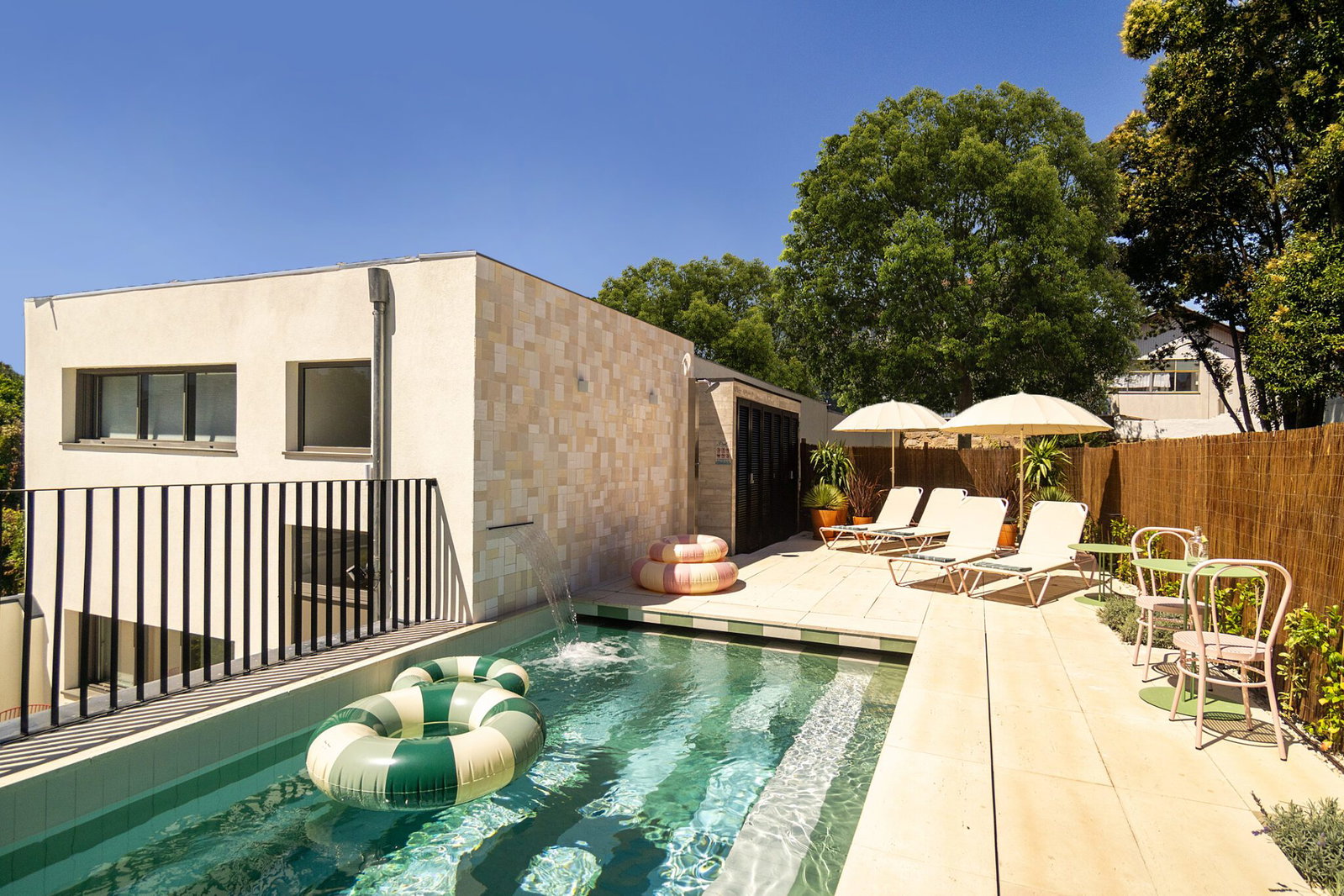
The pool earns its place on this particular trip. A day in the valley in August is spent standing on unshaded terraces, and coming back to somewhere you can get in the water at seven in the evening is the difference between doing that twice and doing it once. For tastings closer to home, the port lodges across the river are covered in our Porto cellar tours guide.
What To Check Before You Book Either Option
- How far the hotel is from a station, if you are not driving
- Whether dinner is served on site, and on which nights
- Whether the quintas you want are open in your month
- Whether breakfast can be packed for an early train
- Whether transfers to quintas are arranged by the hotel or left to you
Frequently Asked Questions
Is It Better to Stay in Porto or the Douro Valley?
Porto for most trips. Everything visitors do in the valley fits into one or two days, the train takes about 2h25 each way, and Porto gives you somewhere different to eat every night. Stay in the valley if the wine is the whole trip, if you are driving, or if you are coming for the September harvest.
What Is There to Do in the Douro Valley?
Quinta tours with tastings, the towns of Pinhão and Peso da Régua, river cruises, signposted miradouros and the September harvest. Two quinta visits plus lunch fills a day. Beyond two days you are repeating yourself unless you are driving out to Douro Superior.
How Far Are Douro Valley Hotels from Porto?
The wine region begins around 100km east of Porto. Hotels cluster around Pinhão in Cima Corgo and Régua in Baixo Corgo, roughly 2h25 and two hours by train respectively, or a little under two hours by car.
Can You Visit the Douro Valley as a Day Trip from Porto?
Yes, and it is what most visitors do. Take an early train to Pinhão or Régua, book two quinta visits in advance, and be back in Porto for dinner. The train means nobody in the group has to stay sober for the drive.
Are Douro Valley Hotels Worth the Extra Cost?
For one to three nights, if the wine is the point of the trip. You get the terraces at dawn and dusk and tastings outside visitor hours. For longer stays the maths turns, because rates are higher and dinner is usually the hotel restaurant.
Do You Need a Car in the Douro Valley?
For a valley stay, effectively yes, or you depend on the hotel for every transfer. Most quintas and all the miradouros sit up steep tracks with no public transport. For a day trip from Porto the train plus a booked estate transfer works fine.
Do Douro Valley Hotels Have Restaurants?
Most do, and on many nights it is the only realistic option, which is worth knowing before booking several nights. Estates sit some distance from villages, and after a day of tasting nobody should be driving to dinner.
When Should You Book Douro Accommodation?
As early as possible for September, when the harvest fills both valley hotels and quinta visits. Late spring is quieter and easier. From November to March many smaller estates cut their hours or close to visitors.
Is There a Boutique Hotel in Porto Near the Douro Train?
Canto de Luz is on Rua do Almada in the old town, about ten minutes on foot from São Bento where the Linha do Douro begins. Seven suite types, a heated outdoor pool open year round and breakfast included, from €99 a night.
Stay at Canto de Luz
Ten minutes on foot from São Bento and the Douro line, in Porto’s old town. Heated outdoor pool open all year, homemade breakfast included, wine and port tastings on site. From €99 a night.
Check AvailabilityRegional detail from Wikipedia (Douro DOC), fetched 25 August 2026. Photographs via Wikimedia Commons. CC BY 4.0: Acediscovery. CC BY 2.0: bvi4092. CC BY-SA 4.0: Gerd Eichmann, Joana Martins. CC BY-SA 2.0: Rosino. Property photographs by Canto de Luz.